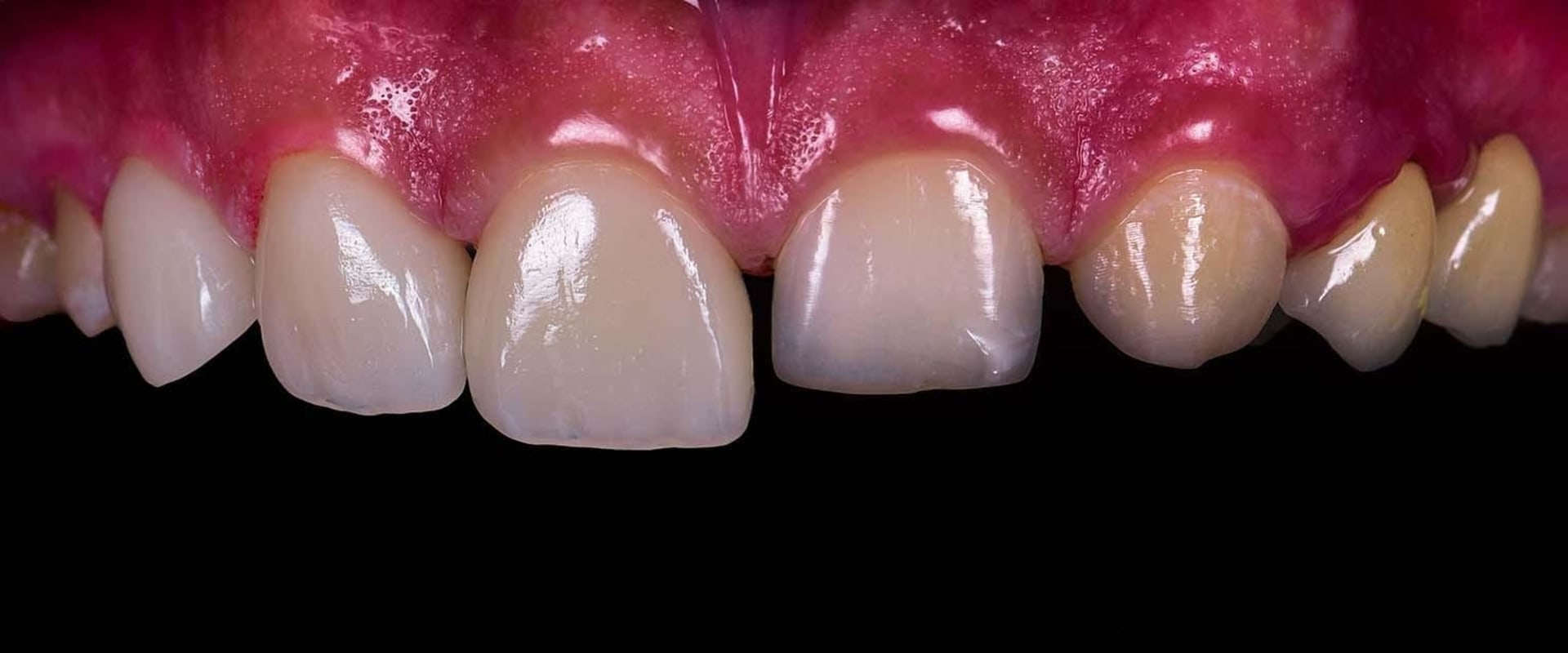
Veneers are a popular cosmetic dental solution designed to enhance the appearance of your teeth, providing a quick and effective way to achieve a radiant smile. These thin shells, typically made from porcelain or composite resin, are custom-crafted to fit over the front surface of your teeth. They can address a variety of dental imperfections, including discoloration, chips, gaps, and even minor misalignments. By opting for veneers, individuals can transform their smiles and boost their self-confidence in a relatively short amount of time.There are primarily two types of veneers available: porcelain veneers and composite resin veneers.
Porcelain veneers are known for their durability and natural appearance, as they closely mimic the translucency of natural teeth. They are resistant to staining and can last for many years with proper care. On the other hand, composite resin veneers are typically less expensive and can be applied in a single visit. While they may not last as long as porcelain options, they can still provide significant aesthetic improvements and are easier to repair if damaged.The benefits of choosing veneers extend beyond mere aesthetics.
For many individuals, veneers offer a way to achieve a flawless smile without the lengthy process associated with orthodontic treatments like braces. They can also serve as a protective layer for damaged teeth, preventing further deterioration. Additionally, the procedure for getting veneers is minimally invasive compared to other dental treatments, making it an appealing option for those looking to enhance their smiles quickly and effectively.
The Importance of Dental Insurance for Cosmetic Procedures
When considering cosmetic procedures like veneers, understanding the role of dental insurancedental insurance is crucial. While many people associate dental insurance primarily with preventive care, such as cleanings and check-ups, it can also play a significant role in covering the costs of cosmetic dentistry. is crucial. While many people associate dental insurance primarily with preventive care, such as cleanings and check-ups, it can also play a significant role in covering the costs of cosmetic dentistry.However, not all plans are created equal, and knowing what to look for can save you a considerable amount of money.First and foremost, it’s essential to recognize that cosmetic dentistry insurance coverage varies widely among different plans. Some insurance providers may offer partial coverage for veneers, while others may exclude them entirely. This discrepancy often depends on whether the procedure is deemed medically necessary or purely aesthetic. Therefore, before committing to any treatment, it’s advisable to thoroughly review your policy or consult with your insurance provider.There are several types of dental insurance plans available:
- Indemnity Plans: These plans offer the most flexibility, allowing you to choose any dentist you prefer.
They typically cover a percentage of the costs for various procedures, including some cosmetic treatments.
- Preferred Provider Organizations (PPOs): PPOs have a network of dentists who offer services at reduced rates. While these plans may cover some cosmetic procedures, they often require you to use in-network providers for maximum benefits.
- Health Maintenance Organizations (HMOs): HMOs usually have lower premiums but come with a limited network of dentists. They may cover basic dental services but often do not include cosmetic procedures like veneers.
- Coverage Details: Look for specific information regarding coverage for cosmetic procedures. Some plans may only cover a portion of the costs or have restrictions on the materials used.
- Waiting Periods: Be aware that some insurance policies impose waiting periods before they will cover cosmetic treatments.
This means you may need to wait several months after enrolling before you can receive benefits for veneers.
- Out-of-Pocket Costs: Calculate potential out-of-pocket expenses based on your plan’s coverage limits and deductibles. This will help you understand how much you might need to pay for veneers.
Types of Dental Insurance Plans
When considering dental insurance for veneers, it’s essential to understand the different types of plans available. Each type of dental insurance plan has its own structure, benefits, and limitations, which can significantly impact your out-of-pocket costs for cosmetic procedures like veneers.Preferred Provider Organizations (PPOs)
PPOs are one of the most popular types of dental insurance plans.They offer a network of dentists who have agreed to provide services at reduced rates. Here are some key features of PPOs:
- Flexibility: You can choose any dentist, but you’ll save more by visiting in-network providers.
- Cost-sharing: Typically, PPOs require you to pay a deductible and a percentage of the costs (coinsurance) for services.
- Coverage for Cosmetic Procedures: Many PPO plans offer partial coverage for veneers, but it’s crucial to check the specifics of your plan.
Health Maintenance Organizations (HMOs)
HMOs operate on a different model compared to PPOs. They usually require members to select a primary care dentist and obtain referrals for specialist services. Here’s what you should know about HMOs:- Lower Premiums: HMOs often have lower monthly premiums compared to PPOs.
- Limited Network: You must use dentists within the HMO network, which can limit your choices.
- Cosmetic Coverage: Most HMO plans do not cover cosmetic procedures like veneers, so it’s essential to verify this before enrolling.
Indemnity Plans
Indemnity plans are often referred to as traditional dental insurance.They provide the most freedom in choosing healthcare providers. Here are some characteristics:
- No Network Restrictions: You can visit any dentist without worrying about network limitations.
- Reimbursement Model: You pay upfront for services and submit claims for reimbursement based on your plan’s coverage limits.
- Comprehensive Coverage: Indemnity plans may offer better coverage for cosmetic procedures, including veneers, but always check the details.
The Step-by-Step Procedure for Getting Veneers
Getting veneers is a transformative journey that can significantly enhance your smile. Understanding the step-by-step procedure involved in this process is crucial for anyone considering this cosmetic dental treatment.Below, we outline the key stages of getting veneers, ensuring you know what to expect at each visit.
1.Initial Consultation
The first step in the veneer application process is scheduling an initial consultation with your dentist. During this visit, your dentist will:
- Conduct a thorough examination of your teeth and gums.
- Discuss your aesthetic goals and expectations for the veneers.
- Review your dental history and any existing dental issues.
- Explain the different types of veneers available and help you choose the best option for your needs.
2.Treatment Planning
If you decide to proceed with veneers, your dentist will create a personalized treatment plan. This plan may include:
- X-rays or digital imaging to assess the condition of your teeth.
- A discussion about the number of veneers needed to achieve your desired look.
- Information on any preparatory treatments required before veneer placement.
3.Tooth Preparation
The next step involves preparing your teeth for the veneers. This typically includes:
- Removing a small amount of enamel from the front surface of each tooth receiving a veneer.
This step is essential to ensure a proper fit and natural appearance.
- Taking impressions of your teeth, which will be used to create custom veneers tailored to your mouth's unique shape.
- Placing temporary veneers if necessary, which will protect your teeth while the permanent ones are being fabricated.
4.Fabrication of Veneers
Your impressions are sent to a dental laboratory where skilled technicians will craft your custom veneers. This process usually takes about one to two weeks. During this time, it’s important to maintain good oral hygiene and avoid any foods that could damage temporary veneers.
5.Final Placement
6.Follow-Up Care
Your dentist may schedule a follow-up appointment to check on how well the veneers are fitting and to address any concerns you might have after placement.
They will also provide care instructions to help maintain the longevity of your new smile.By understanding these steps, you can approach the veneer application process with confidence, knowing exactly what to expect at each stage of your journey toward a beautiful smile.
Preparing for Your Veneer Appointment
Preparing for your veneer appointment is a crucial step in ensuring a smooth and successful procedure. By taking the time to gather information and ask the right questions, you can set yourself up for a positive experience. Here are some tips to help you prepare effectively.Gather Relevant Information
Before your appointment, it’s important to collect any relevant medical and dental history. This includes:- Previous Dental Work: Bring records of any past dental procedures, especially those related to cosmetic work.
- Medical Conditions: Inform your dentist about any medical conditions or medications you are currently taking that could affect your dental health.
- Allergies: Make sure to mention any allergies, particularly to dental materials or anesthesia.
Questions to Ask Your Dentist
Your consultation is the perfect opportunity to clarify any doubts you may have.Consider asking the following questions:
- What type of veneers do you recommend? Understanding the differences between porcelain and composite veneers can help you make an informed decision.
- What is the total cost of the procedure? Inquire about the overall cost, including any potential additional fees for follow-up visits or adjustments.
- How long will the procedure take? Knowing the timeline can help you plan accordingly.
- What should I expect during the procedure? Understanding the steps involved can alleviate anxiety and help you feel more prepared.
- What aftercare will I need? Ask about post-procedure care to ensure your veneers last as long as possible.
Visual Aids and Expectations
If possible, bring along photos of smiles that you admire. This can help your dentist understand your aesthetic goals and provide guidance on what is achievable with veneers. Additionally, be prepared to discuss your expectations openly; clear communication is key to achieving the results you desire.Finally, remember that this appointment is not just about getting veneers; it’s also about building a relationship with your dentist. Feeling comfortable and confident in their expertise will enhance your overall experience.By preparing thoroughly, you can ensure that your veneer journey begins on a positive note.
Aftercare and Maintenance for Veneers
Once you have received your veneers, proper aftercare and maintenance are essential to ensure their longevity and keep your smile looking its best. Here are some key practices to follow:Oral Hygiene Practices
- Brush Regularly: Just like natural teeth, veneers require regular brushing. Use a soft-bristled toothbrush and fluoride toothpaste to gently clean your teeth at least twice a day.
- Floss Daily: Flossing is crucial for removing plaque and food particles from between your teeth and around the gum line. Be gentle to avoid damaging the veneers.
- Mouthwash: Consider using an antibacterial mouthwash to help reduce plaque buildup and maintain oral health.
Avoid mouthwashes with high alcohol content, as they can be harsh on veneers.
Lifestyle Choices
- Avoid Staining Foods and Drinks: While veneers are resistant to stains, they are not completely immune. Limit consumption of coffee, tea, red wine, and dark-colored foods that can cause discoloration over time.
- Quit Smoking: Smoking not only affects your overall health but can also lead to staining of your veneers. Quitting can help maintain the brightness of your smile.
- Wear a Mouthguard: If you play sports or grind your teeth at night, consider wearing a mouthguard. This will protect your veneers from potential damage.
Regular Dental Check-ups
Schedule regular dental visits every six months for professional cleanings and check-ups.Your dentist will monitor the condition of your veneers and address any issues before they become serious.
How Long Do Veneers Last?
With proper care, veneers can last anywhere from 10 to 15 years or even longer. Factors such as oral hygiene, lifestyle choices, and regular dental visits play a significant role in their lifespan. If you notice any chips or wear on your veneers, consult your dentist promptly for advice on repairs or replacements.By following these maintenance tips and being mindful of your oral health, you can enjoy a beautiful smile with your veneers for many years to come.Common Concerns and FAQs About Veneers
When considering veneers, many potential patients have concerns and questions about the procedure. Addressing these common queries can help alleviate fears and provide clarity about what to expect.Are Veneers Painful?
One of the most frequently asked questions is whether getting veneers is painful.The good news is that the process is generally not painful. During the initial visit, your dentist will apply a local anesthetic to numb the area, ensuring that you feel comfortable while they prepare your teeth. Most patients report only mild discomfort during the enamel removal process, which typically subsides quickly.
How Long Do Veneers Last?
Another common concern revolves around the longevity of veneers. With proper care, veneers can last anywhere from 10 to 15 years, and sometimes even longer.Factors that influence their lifespan include oral hygiene practices, dietary habits, and whether you grind your teeth. Regular dental check-ups and cleanings can also help maintain their appearance and durability.
Will Veneers Look Natural?
Many people worry that veneers will look artificial or out of place. However, when crafted by a skilled dentist, veneers are designed to mimic the natural appearance of teeth closely. They can be customized in terms of color, shape, and size to match your existing teeth, ensuring a seamless blend with your smile.Can I Get Veneers if I Have Dental Insurance?
Dental insurance coverage for veneers varies significantly among plans.While some insurance providers may cover a portion of the costs associated with cosmetic procedures, others may not offer any coverage at all. It’s essential to review your specific policy and consult with your insurance provider to understand what is covered before proceeding with treatment.
Are There Any Risks Involved?
As with any dental procedure, there are some risks associated with getting veneers. These may include sensitivity to hot or cold temperatures after placement or potential damage to the underlying tooth if not properly fitted. However, these risks are minimal when performed by an experienced dentist who follows best practices.Myths About Veneers
- Myth: Veneers are only for cosmetic purposes.
- Fact: While primarily used for aesthetic enhancement, veneers can also protect damaged teeth from further harm.
- Myth: Getting veneers means irreversible damage to my teeth.
- Fact: Although some enamel is removed, this is necessary for proper fitting; however, it does not mean that your teeth are permanently damaged.
If you have more questions or specific concerns, don’t hesitate to discuss them with your dentist during your consultation.
Conclusion: Making an Informed Decision About Veneers
In summary, the journey to achieving a stunning smile through veneers is both exciting and multifaceted. As we have explored throughout this guide, understanding the procedure for getting veneers is crucial for anyone considering this cosmetic enhancement. From the initial consultation to the final placement of your custom veneers, each step plays a significant role in ensuring that you achieve the desired results.Equally important is the consideration of dental insurance. Many individuals overlook the financial aspect of cosmetic dentistry, assuming that procedures like veneers are out of reach.However, with the right insurance plan, you can significantly reduce your out-of-pocket expenses. It’s essential to thoroughly research and compare different dental plans to find one that aligns with your needs, especially if you are interested in cosmetic procedures.When evaluating dental insurance options, keep in mind:
- Coverage for Cosmetic Procedures: Not all plans cover veneers, so it’s vital to confirm whether your chosen plan includes this treatment.
- Network Restrictions: Some plans may limit your choice of dentists, which could affect your ability to see a specialist experienced in cosmetic dentistry.
- Waiting Periods: Be aware of any waiting periods that may apply before you can access coverage for cosmetic treatments.
With careful planning and consideration, you can achieve the beautiful smile you’ve always wanted.