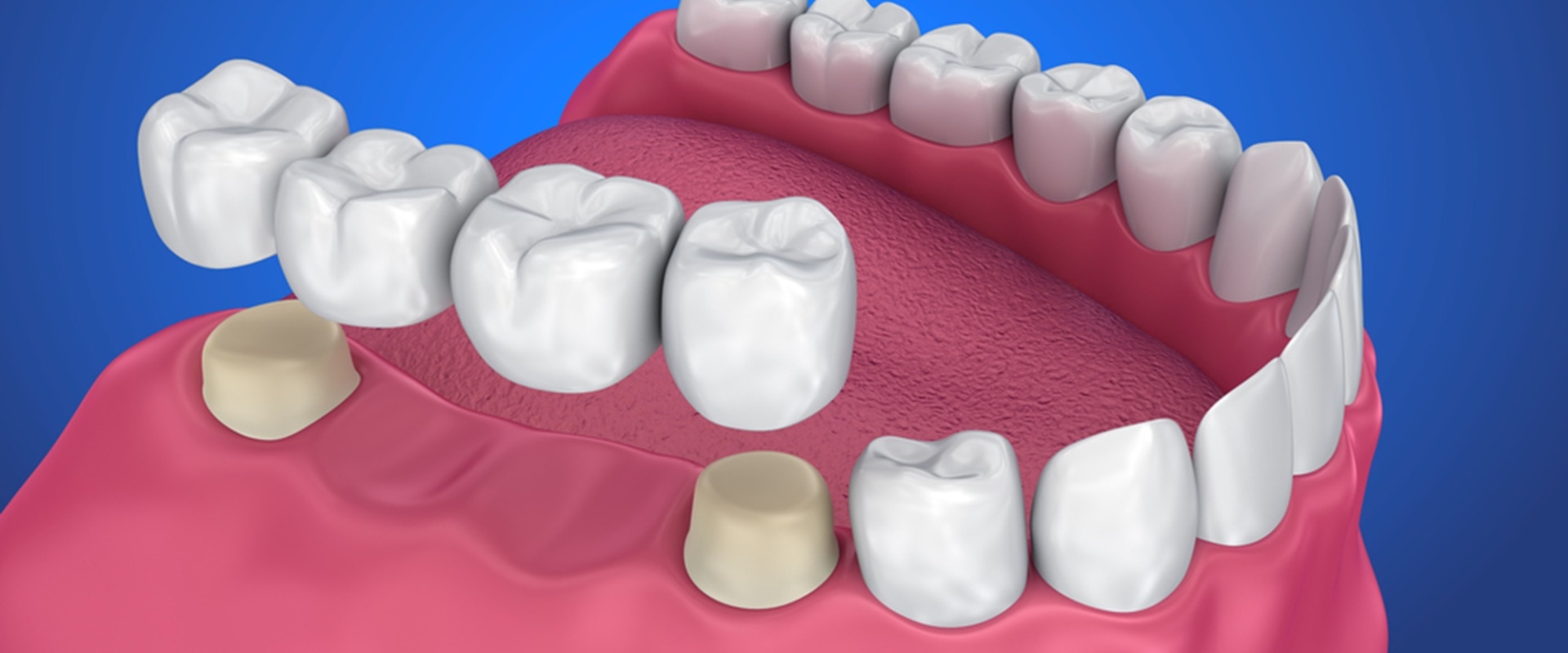
Dental bridges are a popular restorative dental solution designed to replace one or more missing teeth, effectively bridging the gap left by these absences. They consist of one or more artificial teeth, known as pontics, which are anchored in place by dental crowns on the adjacent natural teeth or implants. This not only restores functionality to your bite but also enhances the aesthetic appeal of your smile, making it an essential option for those looking to regain their confidence.There are several types of dental bridges available, each tailored to meet specific needs and preferences. The most common types include:
- Traditional Bridges: These are the most widely used and involve placing crowns on the teeth adjacent to the gap, with a pontic in between.
- Maryland Bridges: Also known as resin-bonded bridges, these use a metal framework that is bonded to the back of the adjacent teeth, making them less invasive.
- Implant-Supported Bridges: These bridges are anchored by dental implants rather than crowns on natural teeth, providing a more stable and long-lasting solution.
They help maintain the shape of your face, prevent remaining teeth from shifting out of position, and restore your ability to chew and speak properly. Additionally, they can improve your overall oral health by distributing bite forces evenly across your teeth. Understanding these aspects of dental bridges is crucial as it lays the groundwork for recognizing the importance of proper maintenance and adequate insurance coverage to protect your investment in oral health.
The Importance of Maintaining Dental Bridges
Maintaining dental bridges is not just about aesthetics; it plays a crucial role in your overall oral health. Regular maintenance ensures that your bridges function effectively and remain comfortable, which is essential for your daily activities such as eating and speaking.Why Maintain Dental Bridges?
Dental bridges are designed to replace missing teeth, restoring both function and appearance.
However, like natural teeth, they require consistent care. Here are some key reasons why maintaining your dental bridges is vital:
- Preventing Decay: The areas surrounding the bridge can accumulate plaque and tartar, leading to decay in adjacent teeth. Regular cleaning helps mitigate this risk.
- Ensuring Stability: Proper maintenance helps keep the bridge securely in place. Neglecting care can lead to loosening or shifting, which may necessitate costly repairs.
- Enhancing Longevity: With appropriate care, dental bridges can last many years—often over a decade.
Regular check-ups and cleanings can significantly extend their lifespan.
Consequences of Neglecting Dental Bridges
Failing to maintain your dental bridges can lead to several adverse outcomes:
- Increased Risk of Gum Disease: Neglected bridges can contribute to gum inflammation and infection, which may lead to more severe periodontal issues.
- Higher Costs: Repairing or replacing a damaged bridge can be significantly more expensive than routine maintenance. Investing in preventive care is often more economical in the long run.
- Discomfort and Pain: A poorly maintained bridge may cause discomfort or pain, affecting your quality of life and making it difficult to enjoy meals or speak clearly.
Longevity of Dental Bridges
The lifespan of dental bridges largely depends on how well they are maintained. Here are some tips to ensure your bridges last as long as possible:
- Regular Dental Visits: Schedule check-ups at least twice a year for professional cleanings and examinations.
- Daily Oral Hygiene: Brush twice a day and floss daily, paying special attention to the areas around the bridge.
- Avoid Hard Foods: Be cautious with hard or sticky foods that could damage the bridge or dislodge it from its position.
Daily Care Tips for Dental Bridges
Maintaining your dental bridges is crucial for ensuring their longevity and keeping your smile healthy. Here are some practical daily care tips to help you effectively care for your dental bridges:- Brush Twice Daily: Use a soft-bristled toothbrush and fluoride toothpaste to brush your teeth and dental bridges at least twice a day.
Pay special attention to the areas around the bridge, as plaque can accumulate there. Use gentle, circular motions to avoid damaging the bridge or surrounding gums.
- Floss Daily: Flossing is essential for removing food particles and plaque from between your teeth and around your dental bridge. Consider using a floss threader or orthodontic floss, which can make it easier to navigate around the bridge. Gently slide the floss between your teeth and under the bridge, making sure to clean both sides.
- Use an Antimicrobial Mouthwash: Rinsing with an antimicrobial mouthwash can help reduce bacteria in your mouth, promoting better oral hygiene.
Look for a mouthwash that is alcohol-free to avoid drying out your mouth.
- Consider a Water Flosser: A water flosser can be an excellent addition to your oral hygiene routine, especially for those with dental bridges. It uses a stream of pulsating water to remove debris and plaque from hard-to-reach areas, making it easier to maintain cleanliness around your bridge.
- Avoid Hard Foods: While dental bridges are designed to be durable, it's wise to avoid hard or sticky foods that could potentially damage them. Foods like hard candies, ice, or tough meats can put unnecessary stress on your bridge.
- Regular Dental Check-ups: Schedule regular visits with your dentist for professional cleanings and check-ups. Your dentist will examine your dental bridges for any signs of wear or damage and provide necessary maintenance tips tailored to your specific needs.
Remember, consistent care not only enhances the longevity of your dental work but also contributes significantly to your confidence in your smile.
Regular Dental Check-Ups: A Key Component of Maintenance
Regular dental check-ups are essential for maintaining the health and longevity of your dental bridges. These appointments not only help in preserving your smile but also play a crucial role in preventing potential complications that could arise from neglecting your oral health.Importance of Dental Check-Ups
Dental check-ups serve as a proactive measure to ensure that your dental bridges and surrounding teeth remain in optimal condition. During these visits, your dentist will conduct a thorough examination to identify any signs of wear, damage, or decay that may affect your bridges. Early detection of issues can save you from more extensive and costly treatments down the line.Moreover, regular check-ups allow for professional cleaning, which is vital for removing plaque and tartar buildup that can lead to gum disease and other oral health problems.
This is particularly important for patients with dental bridges, as the areas around the bridge can be susceptible to plaque accumulation.
Frequency of Dental Visits
For most individuals, it is recommended to schedule dental check-ups at least twice a year. However, if you have dental bridges or other specific oral health concerns, your dentist may suggest more frequent visits. Factors such as your overall oral health, history of dental issues, and personal habits (like smoking or diet) can influence how often you should see your dentist.
What to Expect During a Check-Up
- Initial Assessment: Your dentist will begin with a comprehensive evaluation of your mouth, including your dental bridges. They will check for any signs of damage or wear.
- X-rays: Depending on your situation, X-rays may be taken to get a clearer view of the underlying structures and to assess the health of the supporting teeth and bone.
- Professional Cleaning: A dental hygienist will perform a thorough cleaning to remove plaque and tartar from all surfaces of your teeth and around your bridges.
- Discussion: After the examination and cleaning, your dentist will discuss their findings with you.
They will provide recommendations for any necessary treatments or adjustments to maintain the integrity of your dental bridges.
Understanding Dental Insurance: A Necessity for Bridge Maintenance
Dental insurance is a type of health insurance specifically designed to cover a portion of the costs associated with dental care. This includes routine check-ups, preventive services, and necessary treatments such as fillings, root canals, and dental bridges. Understanding how dental insurance works is crucial for anyone looking to maintain their oral health and manage expenses effectively.There are severalDental insurance is a type of health insurance specifically designed to cover a portion of the costs associated with dental care. This includes routine check-ups, preventive services, and necessary treatments such as fillings, root canals, and dental bridges. Understanding how dental insurance works is crucial for anyone looking to maintain their oral health and manage expenses effectively.There are several types of dental insurance plans available, each with its own features and benefits:- Indemnity Plans: These plans offer the most flexibility, allowing you to choose any dentist without being restricted to a network.
You pay a percentage of the costs after meeting your deductible. While this option provides freedom, it often comes with higher out-of-pocket expenses.
- Preferred Provider Organization (PPO) Plans: PPOs have a network of dentists who offer services at reduced rates. You can still see out-of-network providers, but at a higher cost. This type of plan balances flexibility with cost savings.
- Health Maintenance Organization (HMO) Plans: HMO plans require you to select a primary dentist from their network.
While they typically have lower premiums and out-of-pocket costs, you may have less choice in providers and need referrals for specialist services.
- Discount Dental Plans: These plans are not insurance but rather provide discounts on dental services from participating providers. You pay a membership fee and receive reduced rates, making it a viable option for those who need basic care without extensive coverage.
It's important to review your policy details to know what is included and any waiting periods that may apply.In summary, having a solid grasp of dental insurance options and how they function can significantly impact your ability to maintain your dental bridges and overall oral health. By selecting the right plan and understanding its coverage, you can ensure that your smile remains healthy without straining your finances.
Coverage for Preventive Care Under Dental Insurance
Understanding the coverage for preventive care under dental insurance is crucial for maintaining your oral health and ensuring that your dental bridges remain in optimal condition. Preventive care encompasses a range of services designed to prevent dental issues before they arise, ultimately saving you money and discomfort in the long run.What Preventive Care Includes
- Regular Check-ups: These visits typically occur every six months and involve a comprehensive examination of your teeth, gums, and dental bridges. Your dentist will look for any signs of decay, gum disease, or wear on your bridges.
- Professional Cleanings: During these sessions, a dental hygienist will remove plaque and tartar buildup that regular brushing and flossing may miss.
This is essential for preventing cavities and gum disease.
- X-rays: Dental X-rays are often included in preventive care coverage. They help identify underlying issues that may not be visible during a routine examination, such as bone loss or hidden cavities.
- Fluoride Treatments: Some plans cover fluoride treatments, which can strengthen tooth enamel and help prevent decay, especially in patients at higher risk.
- Sealants: Dental sealants are protective coatings applied to the chewing surfaces of back teeth to prevent cavities. Many insurance plans include coverage for this preventive measure.
Benefits of Preventive Care in Insurance Plans
Investing in preventive care through your dental insurance plan offers numerous benefits:
- Cost Savings: Regular preventive visits can catch potential problems early, reducing the need for more extensive and expensive treatments later on.
- Improved Oral Health: Consistent preventive care helps maintain healthy gums and teeth, which is vital for the longevity of your dental bridges.
- Peace of Mind: Knowing that you are taking proactive steps to care for your oral health can alleviate anxiety about potential dental issues.
- Enhanced Overall Health: Good oral health is linked to overall health. Preventive care can help reduce the risk of systemic conditions related to poor oral hygiene.
By taking advantage of these services, you can ensure that your dental bridges remain functional and aesthetically pleasing while avoiding costly repairs down the line.
Major Dental Services: What Your Insurance Covers
Understanding the coverage of major dental services is crucial for anyone with dental insurance, especially if you have dental bridges or are considering them. Major dental services typically encompass a range of procedures that go beyond routine check-ups and cleanings. These services are often necessary for maintaining oral health and can be quite costly without insurance.Understanding the coverage of major dental services is crucial for anyone with dental insurance, especially if you have dental bridges or are considering them. Major dental services typically encompass a range of procedures that go beyond routine check-ups and cleanings. These services are often necessary for maintaining oral health and can be quite costly without insurance.What Constitutes Major Dental Services?
- Dental Bridges: As a common solution for replacing missing teeth, dental bridges themselves fall under major services. This includes both the initial placement and any necessary adjustments or repairs.
- Root Canals: This procedure is essential for saving a tooth that has become infected or decayed.
It involves removing the infected pulp and sealing the tooth, which can be a significant expense without insurance.
- Extractions: Whether due to decay, overcrowding, or other issues, tooth extractions are often classified as major services. Surgical extractions, in particular, can incur higher costs.
- Periodontal Surgery: For those with gum disease, surgical interventions may be necessary to restore gum health and prevent further complications.
- Implants: While not directly related to bridges, dental implants are often considered when discussing major services. They can serve as a foundation for bridges and other restorations.
Understanding Your Insurance Coverage
When it comes to insurance coverage for these major services, it’s essential to read the fine print of your policy. Most plans will cover a percentage of the costs associated with these procedures, but this can vary significantly between different insurance providers.
Here are some key points to consider:
- Coverage Percentage: Many plans cover 50% to 80% of major services after you meet your deductible. Understanding this percentage can help you budget for out-of-pocket expenses.
- Annual Maximums: Most dental insurance plans have an annual maximum limit on how much they will pay for covered services. Be aware of this limit to avoid unexpected costs.
- Waiting Periods: Some plans impose waiting periods before coverage for major services kicks in. This means you may need to wait several months after enrolling before you can access benefits for procedures like root canals or extractions.
Potential Out-of-Pocket Costs
Even with insurance, it’s important to prepare for potential out-of-pocket costs associated with major dental services.
These can include:
- Deductibles: The amount you must pay before your insurance begins to cover costs.
- Coproducts: The portion of the bill that you are responsible for after your insurance pays its share.
- Add-on Services: Additional treatments that may not be covered by your plan but are necessary for your overall oral health.
Choosing the Right Dental Insurance Plan for Your Needs
Choosing the right dental insurance plan is a crucial step in maintaining your oral health and managing your expenses effectively. With various options available, it can be overwhelming to determine which plan best suits your needs. Here are some essential factors to consider when selecting a dental insurance plan:- Coverage Options: Review what each plan covers.
Most plans include preventive care, such as routine check-ups and cleanings, but coverage for major services like dental bridges, root canals, and extractions can vary significantly. Ensure that the plan you choose covers the services you may need in the future.
- Network of Dentists: Check if your preferred dentist is in the insurance provider's network. Some plans require you to visit specific dentists to receive full benefits, while others allow you to choose any licensed dentist. If you have a trusted dentist, make sure they accept the insurance plan you are considering.
- Cost of Premiums: Evaluate the monthly premium costs against the coverage provided.
A lower premium might seem appealing, but it could come with higher out-of-pocket costs for services. Balance your budget with the level of coverage you require.
- Deductibles and Co-pays: Understand the deductible amounts and co-pay structures associated with each plan. A deductible is the amount you pay out-of-pocket before your insurance kicks in, while co-pays are fixed amounts you pay for specific services. Knowing these costs will help you anticipate your total expenses.
- Annual Maximums: Most dental insurance plans have an annual maximum limit on what they will pay for covered services.
Be aware of this limit, as exceeding it means you'll be responsible for any additional costs incurred during that year.
- Waiting Periods: Some plans impose waiting periods before certain services are covered, especially for major procedures. If you anticipate needing immediate care, look for plans with minimal or no waiting periods.
- Create a Checklist: List down all the features that matter most to you—coverage options, costs, network dentists, etc.—and use this checklist to evaluate each plan systematically.
- Read Reviews: Look for reviews or testimonials from current or past members of the insurance plans you're considering. This can provide insight into customer satisfaction and claims processes.
- Consult Your Dentist: Your dentist can often provide recommendations based on their experience with various insurance providers and can help clarify what coverage might be best for your specific dental needs.
Cosmetic Dentistry Procedures: Coverage and Considerations
Cosmetic dentistry encompasses a variety of procedures aimed at enhancing the appearance of your smile.Cosmetic dentistry encompasses a variety of procedures aimed at enhancing the appearance of your smile.While these treatments can significantly boost your confidence, understanding their coverage under dental insurance plans is crucial for managing costs effectively.
Common Cosmetic Dentistry Procedures
- Teeth Whitening: This is one of the most popular cosmetic procedures, designed to remove stains and discoloration from teeth. It can be performed in-office or through take-home kits provided by your dentist.
- Veneers: These are thin shells made of porcelain or composite resin that are bonded to the front surface of teeth. Veneers can correct issues like chips, gaps, and severe discoloration.
- Dental Implants: While primarily a restorative procedure, implants can also be considered cosmetic as they replace missing teeth and restore the natural look of your smile.
- Bonding: This procedure involves applying a tooth-colored resin to repair decayed, chipped, or misshapen teeth. It’s a quick and cost-effective way to improve your smile.
- Orthodontics: Treatments like braces or clear aligners not only straighten teeth but also enhance overall facial aesthetics.
Insurance Coverage for Cosmetic Dentistry
When it comes to insurance coverage for cosmetic procedures, it’s essential to recognize that many plans treat these services differently than necessary dental work.
Here are some key points to consider:
- Elective Nature: Most cosmetic procedures are considered elective and may not be covered by insurance. This means you could be responsible for the entire cost out-of-pocket.
- Partial Coverage: Some insurance plans may offer partial coverage for procedures deemed necessary for dental health, such as bonding or orthodontics if they address functional issues.
- Pre-Approval: Before undergoing any cosmetic procedure, check with your insurance provider to understand what is covered. Obtaining pre-approval can help avoid unexpected expenses.
Considerations When Choosing Cosmetic Procedures
Before committing to any cosmetic dentistry procedure, consider the following:
- Your Goals: Clearly define what you want to achieve with cosmetic dentistry. This will help guide your choices and discussions with your dentist.
- Consultation: Schedule a consultation with a qualified cosmetic dentist who can provide insights into the best options for your needs and budget.
- Long-Term Care: Understand the maintenance required for each procedure.
Some treatments may need touch-ups or replacements over time, impacting overall costs.
<strong>Conclusion</strong>
In summary, maintaining your dental bridges is not just about ensuring a beautiful smile; it also plays a crucial role in your overall oral health and financial well-being. By understanding the intricacies of dental insurance and how it relates to the care of your dental bridges, you can make informed decisions that benefit both your health and your wallet.Regular maintenance, including professional cleanings and check-ups, is essential for the longevity of your dental bridges. These visits allow your dentist to monitor the condition of your bridges, ensuring that any potential issues are addressed before they escalate into more significant problems.Moreover, many dental insurance plans cover preventive care, making it easier for you to prioritize these essential appointments.When selecting a dental insurance plan, consider the coverage options available for major dental services. Understanding what is included in your plan can help you avoid unexpected out-of-pocket expenses. Major services often encompass necessary procedures related to the maintenance and repair of dental bridges, so it’s vital to choose a plan that aligns with your specific needs.Additionally, while cosmetic procedures may not be covered by all insurance plans, they can significantly enhance the appearance of your smile. If you are considering such treatments, explore your options thoroughly.
Some providers may offer discounts or flexible payment plans that can make these procedures more accessible.Ultimately, investing time and resources into maintaining your dental bridges will pay off in the long run. Not only will you enjoy a confident smile, but you will also minimize the risk of costly repairs or replacements down the line. By staying informed about your dental insurance options and prioritizing regular dental care, you can ensure that both your smile and finances remain healthy.