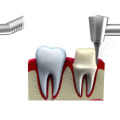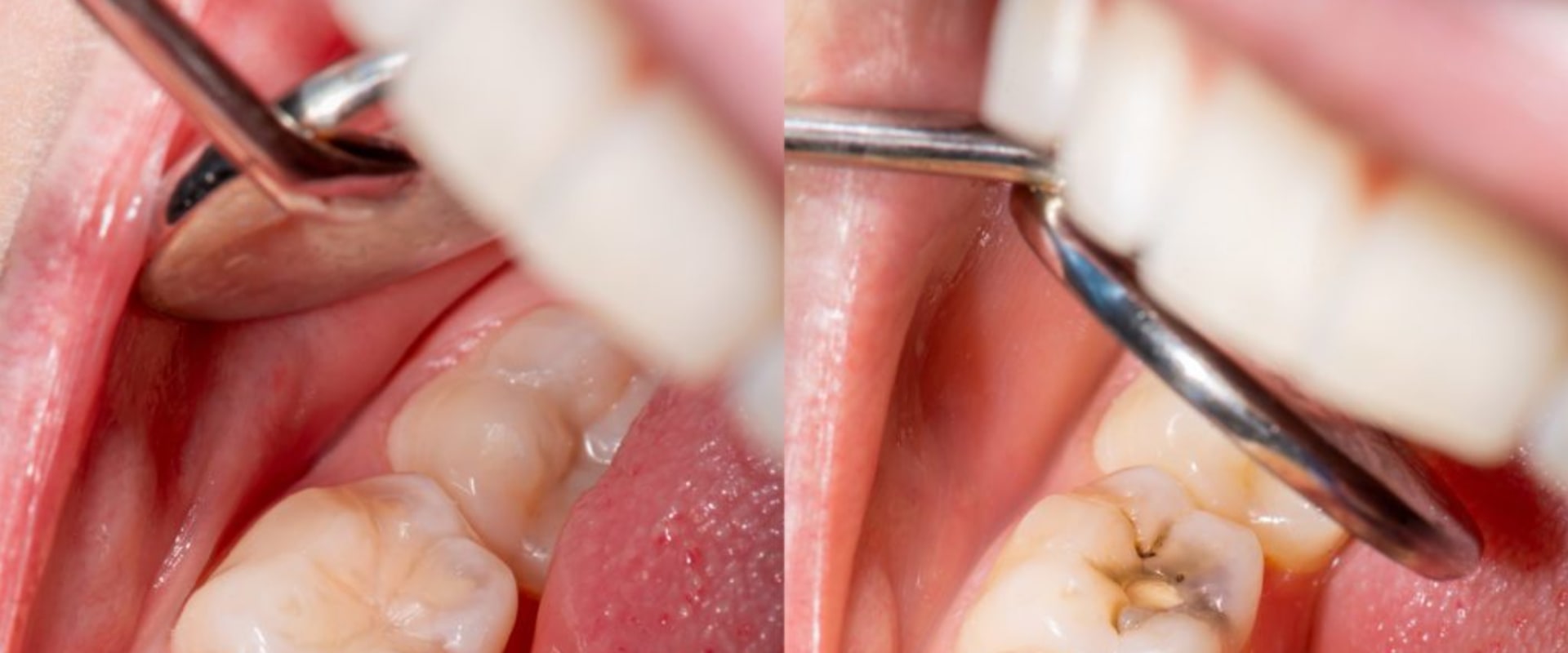
Dental fillings are a common solution for restoring teeth that have been damaged by decay, trauma, or wear. They serve a crucial purpose in maintaining oral health by sealing off cavities and preventing further deterioration of the tooth structure. When a tooth is compromised, it can lead to pain, infection, and even tooth loss if not addressed promptly. Fillings not only alleviate discomfort but also restore the tooth's functionality, allowing individuals to chew and speak without hindrance.There are several types of dental fillings available, each with its unique properties and benefits.
The most commonly used materials include amalgam , composite resin , ceramic , and gold. Amalgam fillings, made from a mixture of metals, are known for their durability and cost-effectiveness, making them suitable for back teeth where pressure from chewing is greatest. Composite resin fillings, on the other hand, are favored for their aesthetic appeal as they can be color-matched to the natural tooth, making them ideal for visible areas. Ceramic fillings offer excellent durability and resistance to staining but can be more expensive.
Gold fillings are highly durable and biocompatible but are often the most costly option.Understanding why fillings are necessary is essential for anyone seeking to maintain their dental health. Cavities form when bacteria in the mouth produce acids that erode tooth enamel. If left untreated, these cavities can progress deeper into the tooth, leading to more severe issues such as root canals or extractions. By opting for fillings at the first sign of decay, patients can prevent more invasive procedures down the line.
Additionally, proper care of existing fillings is vital; neglecting them can lead to complications such as secondary decay or filling failure. Therefore, being informed about dental fillings not only helps in making educated decisions regarding treatment but also emphasizes the importance of regular dental check-ups and good oral hygiene practices.
Types of Dental Fillings
When it comes to dental fillings, understanding the different types available can significantly impact your oral health and aesthetic preferences. Each type of filling material has its unique properties, advantages, and disadvantages. Here’s a closer look at the most common types of dental fillings: amalgam, composite resin, and porcelain.Amalgam Fillings
Amalgam fillings are one of the oldest and most widely used materials for dental restorations.Made from a mixture of metals, including silver, mercury, tin, and copper, these fillings are known for their durability and strength.
- Pros:
- Durability: Amalgam fillings can withstand significant chewing pressure, making them ideal for back teeth.
- Cost-effective: Generally, amalgam fillings are less expensive than other types of fillings.
- Longevity: They can last 10 to 15 years or more with proper care.
- Cons:
- Aesthetic concerns: Their metallic appearance may not be suitable for visible areas of the mouth.
- Potential for expansion: Amalgam can expand and contract with temperature changes, which may lead to cracks in the tooth over time.
Composite Fillings
Composite resin fillings are made from a mixture of plastic and fine glass particles. They are designed to blend seamlessly with the natural color of your teeth, making them a popular choice for front teeth restorations.- Pros:
- Aesthetic appeal: Composite fillings can be color-matched to your natural teeth, providing a more discreet option.
- Bonding capability: They bond directly to the tooth structure, which can help strengthen the tooth.
- Less drilling required: Composite fillings often require less removal of healthy tooth structure compared to amalgam fillings.
- Cons:
- Durability: While they are strong, composite fillings may not be as durable as amalgam in high-pressure areas.
- Curing time: They require a special light to harden, which can extend the time needed for the procedure.
Porcelain Fillings
Porcelain fillings, also known as inlays or onlays, are custom-made ceramic restorations that provide an excellent aesthetic solution for larger cavities or damage. They are crafted in a dental lab and then bonded to the tooth during a follow-up appointment.- Pros:
- Aesthetic quality: Porcelain closely resembles natural tooth enamel and is highly stain-resistant.
- Durability: These fillings can last 10 to 15 years or longer with proper care.
- Bite strength: Porcelain is strong enough to withstand normal chewing forces without cracking easily.
- Cons:
- Cost: Porcelain fillings tend to be more expensive than both amalgam and composite options.
- Treatment time: The process requires two visits: one for taking impressions and another for placement.
The Importance of Dental Insurance for Fillings
Understanding dental insurance is essential for anyone who has received or is considering dental fillings. Dental insurance can significantly reduce the financial burden associated with dental procedures, including fillings, which are often necessary for maintaining oral health.There are three primary types of dental insurance plans that you should be aware of:- Health Maintenance Organization (HMO) : HMO plans typically offer lower premiums and out-of-pocket costs.
However, they require you to choose a primary care dentist from a network. If you need fillings, you must visit an in-network provider to receive coverage. While these plans can be cost-effective, they may limit your options for specialists and treatments.
- Preferred Provider Organization (PPO) : PPO plans provide more flexibility in choosing your dentist. You can see any dentist, but you will pay less if you choose one within the network.
Most PPO plans cover a significant portion of the costs for fillings, usually around 80%, after your deductible is met. This type of plan is ideal for those who want more control over their dental care.
- Indemnity Plans : These plans allow you to see any dentist without network restrictions. While they often have higher premiums and deductibles, they typically cover a percentage of the costs for fillings and other services. Indemnity plans are beneficial for individuals who prefer a wider range of choices when it comes to their dental care.
Most dental insurance policies cover preventive care at 100%, which includes routine check-ups and cleanings. However, basic services like fillings are generally covered at about 80%. Major services, such as crowns or root canals, may only receive 50% coverage.Additionally, many plans have an annual maximum limit on coverage, meaning there’s a cap on how much the insurance will pay in a given year. This limit can vary widely between plans, so it’s important to review the details carefully before selecting a policy.In conclusion, having adequate dental insurance is vital for managing the costs associated with fillings and other dental procedures.
By understanding the different types of plans available and their specific coverage details, you can make informed decisions that will help maintain your oral health without incurring excessive expenses.
Choosing the Right Dental Insurance Plan
Choosing the right dental insurance plan is a critical step in ensuring that you receive the best possible care for your dental fillings and overall oral health. With various options available, it can be overwhelming to navigate through the details. Here are some essential factors to consider when selecting a dental insurance plan:- Coverage Limits: Each dental insurance plan has specific coverage limits, which dictate how much the insurance will pay for different types of services. Typically, preventive care like cleanings and check-ups is covered at 100%, while basic services such as fillings may be covered at around 80%.
Major services, including crowns or root canals, might only receive 50% coverage. Understanding these limits will help you gauge your potential out-of-pocket expenses.
- Waiting Periods: Many dental plans impose waiting periods before certain services are covered. This means that if you need immediate treatment for fillings or other procedures, you may have to wait several months before your insurance kicks in. Be sure to check the waiting periods associated with each plan, especially if you anticipate needing dental work soon.
- Exclusions: It's crucial to read the fine print regarding exclusions in your dental insurance policy.
Some plans may not cover specific types of fillings or may have restrictions on the materials used. Understanding these exclusions can prevent unexpected costs and ensure that you choose a plan that meets your needs.
- Network of Dentists: Dental insurance plans often have a network of preferred providers. If you have a preferred dentist, check whether they are in-network for the plans you are considering. In-network dentists typically offer lower rates than out-of-network providers, which can significantly affect your overall costs.
- Annual Maximums: Most dental insurance plans have an annual maximum limit on how much they will pay for dental care within a year.
Once you reach this limit, you will be responsible for any additional costs. Consider your dental history and potential future needs when evaluating these maximums.
Caring for Your Fillings: Best Practices
Caring for your dental fillings is essential to ensure their longevity and maintain overall oral health. Here are some best practices to follow:Oral Hygiene Practices
- Brush Regularly: Brush your teeth at least twice a day using a fluoride toothpaste.
This helps remove plaque and food particles that can contribute to decay around your fillings.
- Floss Daily: Flossing is crucial for cleaning between your teeth and around fillings. Use waxed dental floss or interdental brushes to avoid damaging the filling material.
- Use Mouthwash: An antibacterial mouthwash can help reduce plaque buildup and keep your mouth fresh. Look for a mouthwash that contains fluoride for added protection.
Dietary Recommendations
- Avoid Sugary Foods: Limit your intake of sugary snacks and beverages, as they can lead to tooth decay and compromise the integrity of your fillings.
- Stay Hydrated: Drinking plenty of water helps wash away food particles and bacteria, reducing the risk of cavities around fillings.
- Choose Soft Foods: After getting new fillings, opt for softer foods to avoid putting unnecessary pressure on them. Hard or sticky foods can dislodge or damage fillings.
Actions to Avoid
- Avoid Chewing Hard Objects: Refrain from chewing on ice, hard candies, or pens, as these can crack or break your fillings.
- No Teeth Grinding: If you grind your teeth (bruxism), consider using a night guard.
Grinding can put excessive pressure on fillings, leading to damage.
- Don’t Ignore Sensitivity: If you experience pain or sensitivity around a filling, contact your dentist immediately. This could indicate an issue that needs attention.
Common Issues with Dental Fillings and Solutions
Dental fillings are a common solution for restoring teeth affected by decay or damage. However, like any dental treatment, they can come with their own set of challenges.Understanding these common issues and knowing when to seek help can significantly enhance your oral health experience.
Common Problems with Dental Fillings
Several issues may arise after receiving dental fillings, including:- Sensitivity: Many patients experience sensitivity to hot or cold temperatures after getting a filling. This can occur due to the filling material expanding or contracting with temperature changes, or because the nerve endings in the tooth are still adjusting.
- Discomfort or Pain: If you feel persistent pain around the filled tooth, it could indicate that the filling is too high, causing discomfort when biting down. Alternatively, it may suggest that there is an underlying issue, such as decay beneath the filling.
- Cracks or Chips: Fillings can become damaged over time due to excessive pressure from grinding teeth or chewing hard foods. Cracked or chipped fillings may expose the underlying tooth structure to bacteria and decay.
- Staining: Some materials, particularly composite resins, can stain over time from foods and beverages like coffee or red wine, affecting the aesthetic appearance of your smile.
When to See a Dentist
If you experience any of the following symptoms, it’s crucial to consult your dentist:- Persistent Sensitivity: If sensitivity lasts more than a few weeks or worsens over time, it’s essential to have it evaluated.
- Pain When Biting: If you notice pain when biting down on food, this could indicate that your filling is too high or that there is another issue at play.
- Visible Damage: If you see cracks or chips in your filling, don’t wait for symptoms to worsen; schedule an appointment promptly.
- Changes in Color: If your filling appears discolored or stained and affects your confidence, discuss options for replacement with your dentist.
Regular check-ups and open communication with your dentist are key components in maintaining both your fillings and overall oral health.
Preventive Care: Keeping Your Fillings Healthy
Maintaining the health of your dental fillings is not just about good oral hygiene; it also involves a proactive approach to preventive care. Regular check-ups with your dentist play a crucial role in ensuring that your fillings remain intact and effective over time.Regular Check-Ups
Scheduling routine dental visits is essential for monitoring the condition of your fillings. During these appointments, your dentist will conduct a thorough examination of your mouth, checking for any signs of wear or damage to your fillings. Early detection of issues can prevent more serious problems down the line, such as decay beneath the filling or cracks that could lead to further complications.Typically, it is recommended to visit your dentist at least twice a year for check-ups and cleanings.
However, if you have specific concerns or a history of dental issues, your dentist may suggest more frequent visits. These check-ups not only help in maintaining the integrity of your fillings but also contribute to overall oral health.
Fluoride Treatments
In addition to regular check-ups, fluoride treatments can be an effective way to protect your teeth and fillings. Fluoride is a mineral that helps strengthen tooth enamel and can reduce the risk of cavities. Many dental professionals recommend fluoride treatments, especially for patients who are at higher risk for tooth decay.Fluoride treatments are typically quick and painless.
Your dentist will apply a concentrated fluoride solution directly to your teeth, which can help remineralize areas that may be starting to decay. This added layer of protection can be particularly beneficial for teeth with fillings, as it helps prevent further deterioration around the filling site.
Additional Preventive Measures
- Maintain Good Oral Hygiene: Brush at least twice daily with fluoride toothpaste and floss regularly to remove plaque and food particles that can contribute to decay.
- Avoid Hard Foods: Chewing on hard items like ice or hard candies can put undue stress on fillings, potentially leading to cracks or dislodgement.
- Limit Sugary Snacks: Reducing sugar intake can help minimize the risk of cavities forming around fillings.
- Consider Dental Sealants: For additional protection, especially in children and teenagers, dental sealants can be applied to the chewing surfaces of back teeth to prevent decay.
FAQs About Dental Fillings and Insurance
When it comes to dental fillings and insurance, many patients have questions that can often lead to confusion. Below are some of the most frequently asked questions regarding dental fillings and their insurance coverage.What types of dental fillings are covered by insurance?
Most dental insurance plans cover a variety of filling materials, but the extent of coverage can vary.Common types of fillings include:
- Amalgam Fillings: These are typically the most affordable and are often fully covered by insurance plans.
- Composite Resin Fillings: These tooth-colored fillings may be partially covered, depending on your plan.
- Porcelain Fillings: While these are durable and aesthetically pleasing, they may have limited coverage under some plans.
How often should I get my fillings checked?
It is advisable to have your fillings checked during your regular dental check-ups, which should occur at least twice a year. Your dentist will assess the condition of your fillings and determine if any maintenance or replacement is necessary.Are there waiting periods for filling coverage?
Many dental insurance plans impose waiting periods for certain services, including fillings. This means you may need to wait a specified amount of time after enrolling in a plan before you can receive coverage for fillings. Always read the fine print of your policy to understand these terms.What should I do if I experience pain or sensitivity in a filled tooth?
If you notice any discomfort or sensitivity in a tooth that has been filled, it’s crucial to contact your dentist immediately.This could indicate that the filling is damaged or that there is decay beneath it, which may require prompt attention.
Can I choose my dentist with my insurance plan?
This largely depends on the type of dental insurance you have.PPO
plans generally offer more flexibility in choosing your dentist compared to HMO plans, which usually require you to select from a specific network of providers. Always verify with your insurance provider before making an appointment.What happens if my filling falls out?
If a filling falls out, it’s important to see your dentist as soon as possible. In the meantime, avoid chewing on that side of your mouth and consider using temporary dental cement available at pharmacies until you can get professional help.Understanding these common questions can help alleviate concerns about dental fillings and their associated insurance coverage.Always consult with your dentist and insurance provider for personalized advice tailored to your specific situation.
Conclusion: Maintaining Your Smile with Proper Filling Care and Insurance Knowledge
In conclusion, maintaining your dental fillings is essential for ensuring long-term oral health and preserving the functionality of your teeth. Throughout this article, we have explored various aspects of filling care, from the importance of regular dental check-ups to the role of good oral hygiene practices. By implementing these strategies, you can significantly extend the lifespan of your fillings and prevent further dental complications.One of the key takeaways is the necessity of understanding your dental insurance options. Different plans offer varying levels of coverage for fillings and other dental services, which can greatly impact your out-of-pocket expenses.Familiarizing yourself with the specifics of your plan—such as coverage percentages for preventive care, basic services like fillings, and major procedures—will empower you to make informed decisions about your dental health.Additionally, it is crucial to prioritize preventive care. Regular visits to your dentist not only allow for early detection of potential issues but also provide opportunities for professional cleanings that can help maintain the integrity of your fillings. During these visits, don’t hesitate to discuss any concerns you may have regarding sensitivity or discomfort related to your fillings.Moreover, practicing good oral hygiene at home is vital. Brushing twice a day with fluoride toothpaste and flossing daily will help keep plaque at bay and protect both your natural teeth and fillings.
Avoiding hard or sticky foods can also prevent unnecessary wear and tear on your fillings.Ultimately, by combining diligent care for your fillings with a solid understanding of your dental insurance, you can maintain a healthy smile that lasts a lifetime. Remember that proactive measures today can save you from costly procedures tomorrow. Stay informed, stay proactive, and keep smiling confidently!.