Orthodontics is a specialized branch of dentistry focused on diagnosing, preventing, and treating dental and facial irregularities. This field plays a crucial role in enhancing not only the aesthetic appeal of a person’s smile but also their overall oral health. Misaligned teeth and jaws can lead to various complications, including difficulty in chewing, speech issues, and increased wear on tooth enamel. By addressing these concerns through orthodontic treatments, individuals can achieve a healthier mouth and a more confident smile.The importance of orthodontics extends beyond mere aesthetics. Orthodontics is a specialized branch of dentistry focused on diagnosing, preventing, and treating dental and facial irregularities. This field plays a crucial role in enhancing not only the aesthetic appeal of a person’s smile but also their overall oral health. Misaligned teeth and jaws can lead to various complications, including difficulty in chewing, speech issues, and increased wear on tooth enamel. By addressing these concerns through orthodontic treatments, individuals can achieve a healthier mouth and a more confident smile.The importance of orthodontics extends beyond mere aesthetics.
Properly aligned teeth contribute to better oral hygiene, as they are easier to clean and maintain. When teeth are misaligned, they can create hard-to-reach areas that trap food particles and plaque, leading to cavities and gum disease. Furthermore, orthodontic treatment can alleviate stress on the jaw joints, reducing the risk of temporomandibular joint (TMJ) disorders that can cause pain and discomfort.In addition to improving dental health, orthodontic treatments offer numerous benefits that enhance quality of life. Many patients report increased self-esteem and confidence after undergoing treatment, as a straight smile often leads to positive social interactions and improved personal relationships.
Moreover, advancements in orthodontic technology have made treatments more comfortable and efficient than ever before. Options such as clear aligners or ceramic braces provide discreet alternatives to traditional metal braces, catering to the preferences of both adults and teens.Ultimately, understanding the significance of orthodontics is essential for anyone considering treatment. With various options available, it is vital to consult with an experienced orthodontist who can guide you through the process and help you choose the best solution tailored to your needs. As we delve deeper into the different types of orthodontic treatments available, it becomes clear that investing in your smile is an investment in your overall health and well-being.
Types of Orthodontic Treatments
Orthodontic treatments have come a long way, offering a variety of options to address different dental concerns.Understanding the types of treatments available can help you make an informed decision about which option is best suited for your needs.
Traditional Braces
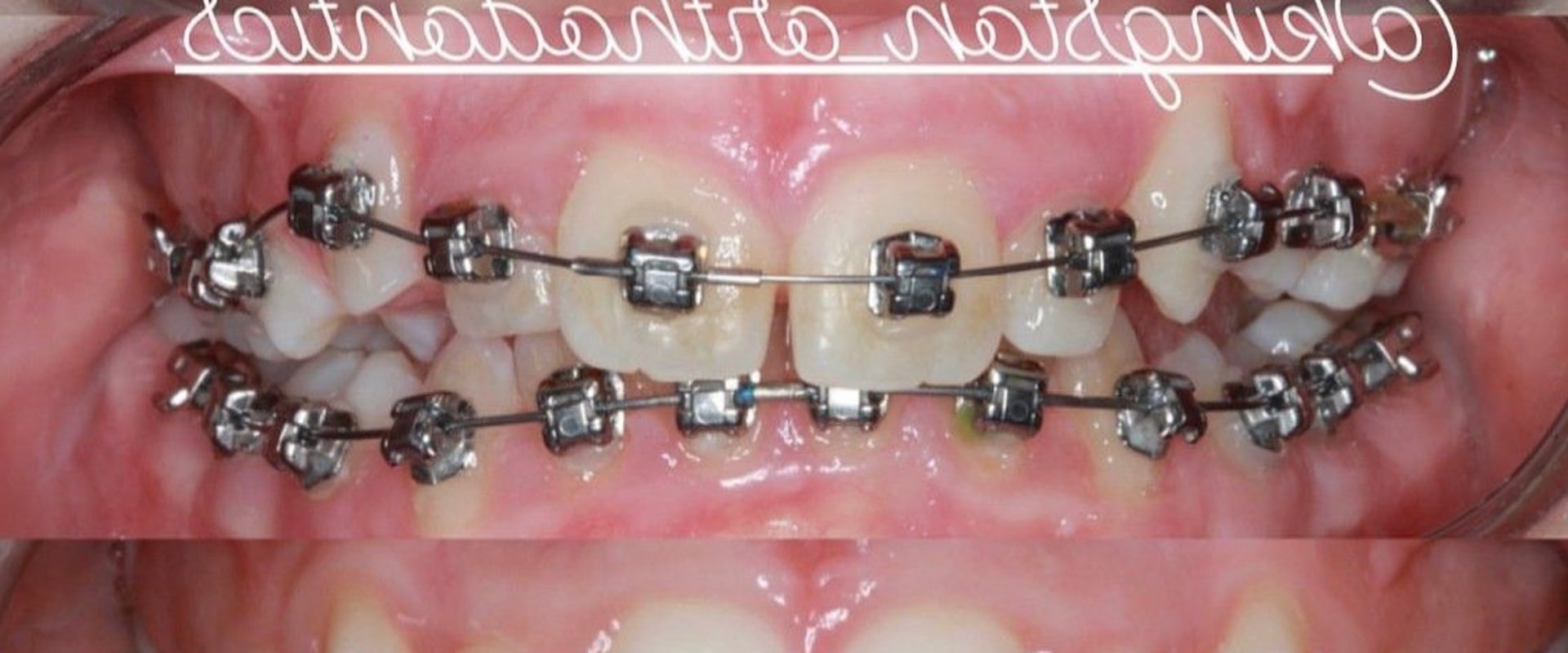
Traditional braces are the most recognized form of orthodontic treatment. They consist of metal brackets that are attached to the teeth and connected by wires. This system applies continuous pressure to gradually shift teeth into their desired positions. Traditional braces are particularly effective for:- Correcting overcrowded teeth
- Addressing significant bite issues, such as overbites and underbites
- Realigning misaligned teeth
Invisalign
Invisalign has revolutionized orthodontics with its clear aligner system.These custom-made, removable aligners are designed to fit snugly over your teeth and gradually move them into alignment. Some key benefits of Invisalign include:
- Aesthetics: The clear aligners are virtually invisible, making them an attractive option for adults and teens.
- Comfort: Without metal brackets or wires, many patients find Invisalign more comfortable than traditional braces.
- Convenience: Aligners can be removed for eating, brushing, and flossing, promoting better oral hygiene.
Ceramic Braces
Ceramic braces function similarly to traditional metal braces but use tooth-colored or clear brackets that blend in with the natural color of your teeth. This makes them a more discreet option while still providing effective treatment for various orthodontic issues. Ceramic braces are ideal for:- Patients seeking a less noticeable alternative to metal braces
- Treating complex dental problems that require significant adjustments
Lingual Braces
Lingual braces are another innovative option that offers a hidden approach to orthodontic treatment.These braces are placed on the back side of the teeth, making them virtually invisible from the front. They provide similar benefits as traditional braces but with enhanced aesthetics. Lingual braces are suitable for:
- Individuals who want effective treatment without visible appliances
- Patients with complex orthodontic needs that require precise adjustments
Traditional Braces: A Time-Tested Solution
Traditional braces have long been a cornerstone of orthodontic treatment, providing effective solutions for a variety of dental misalignments.These devices consist of several key components, including metal brackets, archwires, and elastic bands, all working together to gradually shift teeth into their desired positions.
How Traditional Braces Work
The process begins with the orthodontist placing brackets on each tooth using a special adhesive. These brackets serve as anchors for the archwire, which is threaded through them. The archwire applies gentle pressure to the teeth, guiding them into alignment over time. Elastic bands may also be used to enhance the effectiveness of the treatment by applying additional force to specific areas.As the treatment progresses, patients will visit their orthodontist regularly for adjustments.
During these appointments, the orthodontist will tighten the archwire or replace it as needed to ensure that teeth continue to move in the right direction. This gradual approach minimizes discomfort while maximizing effectiveness.
Benefits of Traditional Braces
- Versatility: Traditional braces can address a wide range of orthodontic issues, including overcrowding, gaps between teeth, overbites, underbites, and crossbites.
- Durability: Made from high-quality materials, traditional braces are designed to withstand daily wear and tear, making them a reliable option for long-term treatment.
- Cost-Effectiveness: Generally more affordable than some newer alternatives like Invisalign, traditional braces often come with lower overall treatment costs.
- Insurance Coverage: Many dental insurance plans cover traditional braces, making them accessible for a broader range of patients. It’s advisable to check with your insurance provider to understand the specifics of your coverage.
Cost of Traditional Braces
The cost of traditional braces can vary significantly based on several factors, including the complexity of the case and the duration of treatment. On average, patients can expect to pay between $3,000 and $7,000.
This price typically includes initial consultations, adjustments throughout the treatment period, and retainers after braces are removed.In conclusion, traditional braces remain a time-tested solution for achieving a straighter smile. Their effectiveness in treating various dental issues combined with potential insurance coverage makes them an appealing choice for many individuals seeking orthodontic care.
Invisalign: The Clear Alternative
Invisalign has emerged as a revolutionary alternative to traditional metal braces, offering a more discreet and comfortable way to achieve a straighter smile. This innovative orthodontic treatment utilizes a series of clear, removable aligners that are custom-made to fit your teeth. But how exactly does Invisalign work, and what are its benefits compared to conventional braces?How Invisalign Works
The process begins with a consultation with an orthodontist who will assess your dental needs and create a personalized treatment plan.Using advanced 3D imaging technology, the orthodontist will map out the precise movements of your teeth throughout the treatment. Based on this plan, a series of clear aligners are produced, each designed to gradually shift your teeth into the desired position.Patients typically wear each set of aligners for about two weeks before switching to the next set in the series. The aligners are removable, allowing for easy cleaning and maintenance of oral hygiene. This flexibility also means you can enjoy your favorite foods without restrictions, as you simply remove the aligners during meals.
Benefits of Invisalign
- Discreet Appearance: One of the most significant advantages of Invisalign is its clear design, making it virtually invisible when worn.
This is particularly appealing for adults and teens who may feel self-conscious about wearing traditional braces.
- Comfort: The smooth plastic material used in Invisalign aligners is more comfortable than metal brackets and wires, reducing the likelihood of irritation in the mouth.
- Convenience: The ability to remove the aligners means you can maintain your regular oral hygiene routine without difficulty. Additionally, there are no dietary restrictions since you can take them out while eating.
- Fewer Office Visits: Unlike traditional braces that require frequent adjustments, Invisalign typically requires fewer visits to the orthodontist, as you receive multiple sets of aligners at once.
Invisalign Cost
The cost of Invisalign treatment can vary widely based on factors such as the complexity of your case and your geographical location. On average, patients can expect to pay between $3,000 and $8,000 for their treatment. While this may seem higher than traditional braces, many find the benefits justify the investment.Invisalign Insurance Coverage
When considering Invisalign, it's essential to check with your dental insurance provider regarding coverage options.Many plans that cover orthodontic treatments will also include Invisalign as part of their benefits. However, coverage can vary significantly between plans. Some may cover a percentage of the total cost or have a maximum benefit limit for orthodontic care.To maximize your insurance benefits, consult with both your orthodontist and insurance provider before starting treatment. They can help clarify what is covered and guide you through any necessary paperwork.In summary, Invisalign offers a modern approach to orthodontics that combines effectiveness with convenience and aesthetics.
With its numerous benefits and potential insurance coverage options, it’s an attractive choice for those seeking a straighter smile without the drawbacks of traditional braces.
Ceramic Braces: Aesthetic Appeal with Functionality
Ceramic braces have emerged as a popular alternative to traditional metal braces, particularly for individuals seeking a more discreet orthodontic solution. These braces are made from a clear or tooth-colored ceramic material, making them less noticeable than their metal counterparts. This aesthetic appeal is one of the primary reasons many patients opt for ceramic braces.Benefits of Ceramic Braces
- Discreet Appearance: The tooth-colored brackets blend in with the natural color of your teeth, making them a more attractive option for those concerned about their appearance during treatment.
- Effective Treatment: Ceramic braces function similarly to traditional braces, effectively correcting a wide range of orthodontic issues, including overcrowding, gaps, and bite misalignments.
- Comfort: Many patients find ceramic braces to be more comfortable than metal braces, as they are less likely to cause irritation to the gums and cheeks.
- Customizable Options: Some orthodontists offer colored ligatures for ceramic braces, allowing patients to personalize their look while still maintaining a subtle appearance.
Ceramic Braces vs. Traditional Braces
When comparing ceramic braces to traditional metal braces, several factors come into play:
- Aesthetics: As mentioned, ceramic braces are less visible than metal braces, making them a preferred choice for adults and teens who want to maintain a professional or polished look.
- Durability: While ceramic braces are strong, they can be more prone to breakage compared to metal braces.
Patients need to be cautious with certain foods that could damage the brackets.
- Cost: Ceramic braces typically cost more than traditional metal braces due to the materials used and the additional care required during treatment.
Ceramic Braces Cost and Insurance Considerations
The cost of ceramic braces can vary significantly based on factors such as location, the complexity of the case, and the orthodontist's experience. On average, patients can expect to pay between $4,000 and $8,000 for ceramic braces. It's essential to consult with your orthodontist for an accurate estimate tailored to your specific needs.When it comes to dental insurance coverage, many plans do include ceramic braces under their orthodontic benefits. However, coverage can vary widely between different insurance providers and plans.
It is advisable to check with your insurance company to understand what portion of the treatment costs will be covered and whether there are any limitations or exclusions related to aesthetic treatments like ceramic braces.In summary, ceramic braces offer an appealing combination of functionality and aesthetics for those seeking orthodontic treatment. With their ability to blend in with natural teeth while effectively correcting dental issues, they represent a valuable option for many patients. Always consult with your orthodontist and insurance provider to ensure you make an informed decision that aligns with your treatment goals and budget.
Accelerated Orthodontics: Speeding Up Treatment Time
Accelerated orthodontics is a revolutionary approach designed to significantly reduce the time required for traditional orthodontic treatments. For many patients, the prospect of wearing braces or aligners for an extended period can be daunting.Fortunately, advancements in orthodontic technology have led to various methods that can expedite the treatment process without compromising results.
Options for Accelerated Orthodontics
- AcceleDent: This FDA-approved device uses gentle vibrations to enhance tooth movement. Patients wear the device for about 20 minutes a day, which can help speed up the alignment process by stimulating the bone surrounding the teeth.
- Propel Orthodontics: This method involves a minor surgical procedure that creates small holes in the bone around the teeth. This technique encourages faster tooth movement and can reduce treatment time by several months.
- Self-Ligating Braces: Unlike traditional braces that use elastic bands, self-ligating braces utilize a specialized clip system to hold the wire in place. This design reduces friction and allows for quicker adjustments, leading to shorter treatment durations.
- Invisalign with SmartTrack: The latest advancements in Invisalign technology include SmartTrack material, which provides better control over tooth movement.
When combined with a precise treatment plan, this can lead to faster results compared to older aligner systems.
Benefits of Accelerated Orthodontics
The primary advantage of accelerated orthodontics is, of course, the reduced treatment time. Patients can achieve their desired smile in a fraction of the time compared to traditional methods. Other benefits include:- Improved Comfort: Many accelerated techniques are designed to minimize discomfort during treatment, making the experience more pleasant for patients.
- Enhanced Aesthetics: Shorter treatment times mean less time spent wearing visible braces or aligners, which is particularly appealing for adults and teens concerned about their appearance.
- Increased Compliance: With faster results, patients may be more motivated to adhere to their treatment plans, leading to better overall outcomes.
Cost Considerations
The cost of accelerated orthodontics can vary widely depending on the specific method chosen and individual patient needs. While some options may be more expensive upfront, many patients find that the benefits of reduced treatment time justify the investment.Additionally, it’s essential to check with your dental insurance provider, as some accelerated treatments may be partially covered under certain plans.In conclusion, accelerated orthodontics offers a promising solution for those looking to achieve a straighter smile in less time. By exploring various options and discussing them with your orthodontist, you can find a treatment plan that fits your lifestyle and budget while ensuring optimal results.
Factors Influencing Orthodontic Treatment Costs
Understanding the costs associated with orthodontic treatments is crucial for anyone considering these procedures. Several factors can influence the overall expense, and being aware of them can help you make informed decisions about your dental care.1.Type of Treatment The type of orthodontic treatment you choose significantly impacts the cost. Traditional metal braces are generally the most affordable option, while alternatives like Invisalign or ceramic braces tend to be more expensive due to their advanced technology and materials.Each treatment type has its own price range, so it’s essential to discuss these options with your orthodontist.2.Duration of Treatment The length of time you will need to wear braces or aligners also affects the total cost. More complex cases that require longer treatment times will naturally incur higher fees. On average, orthodontic treatments can last anywhere from 6 months to 3 years, depending on individual needs.3.Geographic Location The cost of orthodontic care can vary significantly based on where you live. Urban areas with a higher cost of living may have higher prices for orthodontic services compared to rural locations.
It’s advisable to research local orthodontists and their pricing structures.4.Orthodontist's Experience The expertise and reputation of the orthodontist can also play a role in treatment costs. Highly experienced professionals may charge more for their services, but they often provide superior care and results.5.Insurance Coverage Dental insurance can greatly influence out-of-pocket expenses for orthodontic treatments. Many plans offer partial coverage for braces and other orthodontic services, typically ranging from 50% to 80% of the total cost, depending on the plan specifics. It’s crucial to review your insurance policy carefully to understand what is covered and any limitations that may apply. Additionally, some insurance plans have a lifetime maximum benefit for orthodontics, which means they will only pay up to a certain amount over the course of your lifetime.
Knowing this information can help you budget effectively for your treatment. In conclusion, several factors contribute to the costs associated with orthodontic treatments, including the type of treatment, duration, location, and the orthodontist's experience. Understanding how dental insurance works in relation to these treatments can further assist in managing expenses and ensuring you receive the care you need without financial strain.
Navigating Dental Insurance for Orthodontic Treatments
Navigating the world of dental insurance for orthodontic treatments can be a daunting task, especially with the variety of plans available and the specific coverage details that vary from one provider to another. Understanding how to effectively utilize your dental insurance can significantly reduce out-of-pocket expenses and make orthodontic care more accessible.When considering orthodontic treatments, it’s essential to first understand the specifics of your dental insurance plan. Here are some key factors to look for:- Coverage Limits: Most dental insurance plans have a maximum benefit limit for orthodontic treatments.
This means that there is a cap on how much the insurance will pay for braces or other orthodontic services. Knowing this limit can help you budget accordingly.
- Waiting Periods: Some plans may impose waiting periods before you can access orthodontic benefits. Be sure to check if there are any waiting periods that could delay your treatment.
- Types of Treatments Covered: Not all plans cover every type of orthodontic treatment. Traditional metal braces are often covered, but newer options like Invisalign may have different coverage levels.
Review your plan to see which treatments are included.
- Co-pays and Deductibles: Understand what your co-payments will be for visits and how much you need to pay out-of-pocket before your insurance kicks in. This will help you gauge the overall cost of treatment.
- Consult with Your Orthodontist: Before starting treatment, have a detailed discussion with your orthodontist about your insurance coverage. They can often provide insights into what is typically covered and help you navigate the claims process.
- Get Pre-Authorization: Many insurance companies require pre-authorization for orthodontic treatments. Submitting a pre-authorization request can clarify what will be covered before you begin treatment.
- Keep Detailed Records: Maintain thorough records of all communications with your insurance provider, including claims submitted and payments received.
This documentation can be invaluable if any disputes arise.
- Explore Flexible Payment Plans: If your insurance does not cover the full cost of treatment, ask your orthodontist about flexible payment options that can help spread out costs over time.
<strong>Conclusion</strong>: Making Informed Decisions About Orthodontic Treatments
Choosing the right orthodontic treatment is a significant decision that can impact not only your dental health but also your overall confidence and quality of life. With various options available, it is essential to approach this choice with careful consideration and informed judgment.First and foremost, understanding the different types of treatments is crucial. Traditional braces, Invisalign, ceramic braces, and lingual braces each have unique benefits and limitations.For instance, while traditional braces are highly effective for complex cases, Invisalign offers a more discreet option for those concerned about aesthetics. Evaluating your specific dental needs, lifestyle, and personal preferences will help you narrow down the choices.Another important factor to consider is the financial aspect of orthodontic treatments. Many dental insurance plans provide coverage for orthodontic services, but the extent of this coverage can vary significantly. It is advisable to:
- Review Your Insurance Policy: Check the details of your dental insurance plan to understand what treatments are covered and any limitations that may apply.
- Consult with Your Orthodontist: Schedule a consultation to discuss your treatment options and get an estimate of costs involved.
Your orthodontist can help you navigate insurance claims and payment plans.
- Explore Financing Options: If your insurance does not cover the full cost, inquire about financing options that may be available through your orthodontic practice.
By taking these steps, you can achieve a healthier smile that enhances both your dental function and self-esteem.