The connection between oral health and overall health is a critical yet often overlooked aspect of wellness. Many individuals may not realize that the mouth serves as a gateway to the rest of the body, and neglecting oral hygiene can lead to a cascade of health issues that extend far beyond cavities and gum disease. In fact, research has shown that poor oral health can significantly increase the risk of developing serious conditions such as heart disease, diabetes, and even respiratory infections. Understanding this intricate link is essential for anyone looking to improve their overall health outcomes.When we think about our health, we often focus on diet, exercise, and regular check-ups. and overall health is a critical yet often overlooked aspect of wellness. Many individuals may not realize that the mouth serves as a gateway to the rest of the body, and neglecting oral hygiene can lead to a cascade of health issues that extend far beyond cavities and gum disease. In fact, research has shown that poor oral health can significantly increase the risk of developing serious conditions such as heart disease, diabetes, and even respiratory infections. Understanding this intricate link is essential for anyone looking to improve their overall health outcomes.When we think about our health, we often focus on diet, exercise, and regular check-ups.
However, the state of our oral health plays a pivotal role in our well-being. Bacteria that thrive in an unhealthy mouth can enter the bloodstream, leading to systemic inflammation and contributing to chronic diseases. For instance, individuals with gum disease are at a higher risk for cardiovascular problems because the bacteria can travel to the heart, causing infections or exacerbating existing conditions. This highlights the importance of maintaining good oral hygiene not just for a bright smile but as a fundamental component of overall health.Moreover, the implications of poor oral health extend into various aspects of life, including mental well-being and pregnancy outcomes.
Studies have indicated a correlation between gum disease and cognitive decline, suggesting that oral bacteria may influence brain health. Pregnant women with untreated dental issues face risks such as premature birth and low birth weight due to the potential for bacteria to affect fetal development. Therefore, prioritizing oral care is not merely about aesthetics; it is about safeguarding your entire body.As we delve deeper into this topic, it becomes clear that understanding the relationship between oral health and overall health is vital for making informed decisions about healthcare. This includes recognizing the value of dental insurancedental insurance, which can provide access to necessary preventive care and treatments.
By investing in your oral health through proper hygiene practices and adequate insurance coverage, you can significantly reduce your risk of serious health complications down the line.
The Consequences of Poor Oral Health
Neglecting oral hygiene can lead to a cascade of health issues that extend far beyond the mouth. The mouth serves as a gateway to the body, and poor oral health can significantly impact overall health. Here are some of the most concerning consequences:- Cardiovascular Disease: Research has shown a strong link between gum disease and heart problems. The bacteria from infected gums can enter the bloodstream, leading to inflammation and plaque buildup in the arteries.
This increases the risk of heart attacks and strokes.
- Diabetes: There is a bidirectional relationship between diabetes and oral health. Poor oral hygiene can make it more difficult for individuals with diabetes to control their blood sugar levels, while high blood sugar can exacerbate gum disease. This vicious cycle can lead to severe complications for both conditions.
- Respiratory Infections: Bacteria from the mouth can be inhaled into the lungs, potentially causing respiratory infections such as pneumonia. This is particularly concerning for individuals with pre-existing lung conditions like chronic obstructive pulmonary disease (COPD).
- Pregnancy Complications: Pregnant women with poor oral health are at a higher risk for complications such as premature birth and low birth weight.
The inflammation caused by gum disease can affect both the mother and the developing fetus.
- Dementia: Emerging studies suggest a connection between gum disease and cognitive decline. The bacteria associated with periodontal disease may enter the brain, contributing to neurodegenerative diseases like Alzheimer’s.
Understanding these risks highlights the necessity of dental care not just for a beautiful smile but for overall well-being.
The Role of Bacteria in Oral Health and Disease
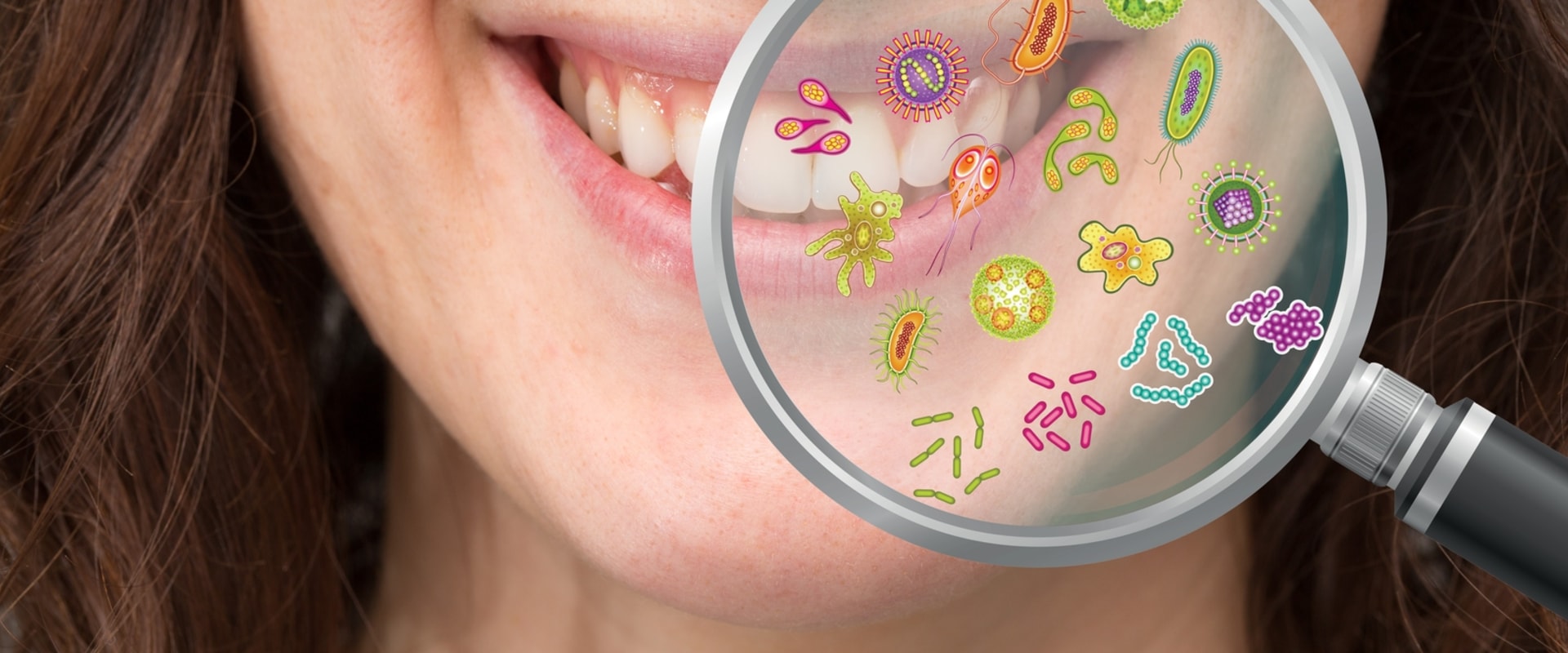
The mouth is home to a complex ecosystem of bacteria, some of which are beneficial while others can be harmful. When oral hygiene is neglected, the balance of these bacteria can be disrupted, leading to an overgrowth of harmful bacteria. This imbalance is a primary contributor to gum disease , a condition that can have far-reaching effects on overall health.Gum disease
, or periodontal disease, begins with gingivitis, characterized by inflammation of the gums. This initial stage is often reversible with proper oral care.
However, if left untreated, it can progress to periodontitis, where the inflammation extends deeper into the supporting structures of the teeth. The bacteria responsible for gum disease produce toxins that can irritate the gums and lead to chronic inflammation.One of the most concerning aspects of gum disease is its ability to trigger systemic inflammation. When the gums are inflamed, bacteria and their byproducts can enter the bloodstream through tiny blood vessels in the mouth. This process is known as bacteremia.
Once in the bloodstream, these harmful bacteria can travel to various organs and tissues, potentially causing or exacerbating existing health conditions.Research has shown a strong link between oral health and systemic diseases such as cardiovascular disease, diabetes, and respiratory infections. For instance, individuals with gum disease are at a higher risk for heart problems because the inflammation caused by oral bacteria can contribute to arterial plaque buildup. Similarly, for those with diabetes, poor oral health can make it more challenging to control blood sugar levels.Moreover, the connection between oral bacteria and respiratory diseases cannot be overlooked. Bacteria from the mouth can be inhaled into the lungs, leading to infections such as pneumonia or worsening chronic obstructive pulmonary disease (COPD).
This highlights the importance of maintaining good oral hygiene not just for a healthy mouth but for overall respiratory health as well.To mitigate these risks, it is essential to adopt a comprehensive oral hygiene routine that includes:
- Brushing teeth at least twice a day with fluoride toothpaste
- Flossing daily to remove plaque and food particles between teeth
- Using an antibacterial mouthwash to help reduce harmful bacteria
- Regular dental check-ups for professional cleanings and early detection of gum disease
Specific Health Conditions Linked to Poor Oral Health
Neglecting oral health can lead to a variety of serious health conditions, underscoring the importance of maintaining good dental hygiene. Below are some specific health issues that have been linked to poor oral health:Cardiovascular Disease
Research has established a strong connection between poor oral health and cardiovascular diseases. The bacteria that thrive in the mouth can enter the bloodstream, leading to inflammation and the formation of arterial plaque.This process can increase the risk of heart attacks and strokes. Individuals with gum disease are particularly vulnerable, as the inflammation associated with this condition can exacerbate existing heart problems.
Diabetes Management Issues
There is a bidirectional relationship between diabetes and oral health. Poor oral hygiene can make it more difficult for individuals with diabetes to control their blood sugar levels. Inflammation from gum disease can interfere with insulin function, leading to higher blood sugar levels.Conversely, individuals with diabetes are at a greater risk for developing gum disease due to compromised immune responses. Regular dental check-ups and proper oral care are essential for managing both conditions effectively.
Pregnancy Complications
Pregnant women must pay special attention to their oral health, as poor dental hygiene can lead to complications such as premature birth and low birth weight. Hormonal changes during pregnancy can make gums more susceptible to infection, increasing the risk of periodontal disease. This condition not only affects the mother’s health but can also have lasting effects on the developing fetus.Cognitive Decline
Emerging studies suggest a link between poor oral health and cognitive decline, including conditions like Alzheimer’s disease.The bacteria associated with gum disease may travel to the brain, contributing to inflammation and neurodegeneration. Maintaining good oral hygiene may play a role in reducing the risk of cognitive impairment as we age.In summary, the implications of poor oral health extend far beyond the mouth. By understanding these connections, individuals can take proactive steps to improve their dental care, which in turn may enhance their overall health and well-being.
Preventive Measures for Maintaining Good Oral Health
Maintaining good oral health is essential for overall well-being, and it requires a proactive approach. Here are some effective preventive measures that can help you keep your teeth and gums healthy:- Regular Brushing: Brush your teeth at least twice a day using fluoride toothpaste.
Make sure to use a soft-bristled toothbrush and replace it every three to four months. Proper brushing technique involves holding the toothbrush at a 45-degree angle to your gums and using gentle circular motions.
- Daily Flossing: Flossing is crucial for removing plaque and food particles from between your teeth and under the gumline, where your toothbrush may not reach. Aim to floss at least once a day, preferably before bedtime, to maintain optimal gum health.
- Use Mouthwash: Incorporating an antimicrobial mouthwash into your daily routine can help reduce plaque, prevent gum disease, and freshen your breath. Look for mouthwashes that contain fluoride for added protection against cavities.
- Healthy Diet Choices: Your diet plays a significant role in your oral health.
Limit sugary snacks and beverages, as they can contribute to tooth decay. Instead, focus on a balanced diet rich in fruits, vegetables, whole grains, lean proteins, and dairy products. Foods high in calcium and phosphorus can strengthen tooth enamel.
- Avoid Tobacco Products: Smoking and using other tobacco products can lead to gum disease, tooth loss, and oral cancer. Quitting tobacco not only benefits your oral health but also improves your overall health.
- Regular Dental Check-Ups: Schedule dental visits at least twice a year for professional cleanings and check-ups.
Your dentist can identify potential issues early on and provide necessary treatments before they become more serious problems.
The Importance of Dental Insurance in Supporting Oral Health
Having dental insurance is a crucial factor in maintaining good oral health, as it significantly reduces the financial barriers that often prevent individuals from seeking necessary dental care. Many people avoid visiting the dentist due to the high costs associated with treatments and preventive care. However, with the right insurance plan, these costs can be managed effectively, allowing for regular check-ups and timely interventions.There are several types of dental insurance plans available, each designed to cater to different needs and budgets:- Traditional Dental Insurance: This type of plan typically covers a portion of the costs for preventive services such as cleanings, exams, and X-rays.
It may also cover basic procedures like fillings and extractions, as well as major services like crowns and root canals.
- Discount Dental Plans: Unlike traditional insurance, discount plans do not provide reimbursement for services. Instead, members pay a monthly fee to receive discounts on dental services from participating providers. This can be an affordable option for those who need flexibility in their dental care.
- Government-Funded Programs: Programs such as Medicaid or CHIP (Children's Health Insurance Program) offer dental coverage for eligible low-income individuals and families. These programs aim to ensure that everyone has access to essential dental care.
Regular visits to the dentist can lead to early detection of potential health issues, which is vital for preventing more serious conditions down the line. For instance, routine check-ups can identify signs of gum disease or cavities before they escalate into more complex problems requiring extensive treatment.Moreover, many insurance plans emphasize preventive care by covering 100% of the costs for routine cleanings and exams. This encourages individuals to prioritize their oral health without the worry of out-of-pocket expenses. By investing in dental insurance, you are not only safeguarding your teeth but also contributing to your overall health.In conclusion, having access to affordable dental care through insurance is essential for maintaining good oral hygiene and preventing serious health issues.
By understanding the different types of plans available and their respective benefits, individuals can make informed decisions that promote their long-term health and well-being.
FAQs About Oral Health and Dental Insurance
Understanding oral health and dental insurance can be overwhelming, especially with the myriad of information available. Here are some frequently asked questions that can help clarify common concerns and misconceptions.What is the connection between oral health and overall health?
Oral health is intricately linked to overall health. Poor dental hygiene can lead to gum disease, which has been associated with serious conditions such as heart disease, diabetes, and respiratory infections. The bacteria from the mouth can enter the bloodstream, causing inflammation and potentially affecting other organs.How often should I visit the dentist?
It is generally recommended to visit the dentist at least twice a year for routine check-ups and cleanings.However, individuals with specific dental issues or higher risk factors may need to see their dentist more frequently. Regular visits help in early detection of problems and maintaining good oral health.
What does dental insurance typically cover?
Dental insurance plans usually cover preventive services such as cleanings, exams, and X-rays at little to no cost. Basic procedures like fillings and extractions are often partially covered, while major procedures such as crowns or root canals may have higher out-of-pocket costs. It's essential to review your specific plan for detailed coverage information.Can I get dental insurance if I have pre-existing conditions?
Yes, most dental insurance plans cannot deny coverage based on pre-existing conditions.However, waiting periods may apply for certain treatments related to those conditions. It’s advisable to check the terms of your policy for any specific limitations.
What are some common misconceptions about dental care?
- Brushing harder means cleaner teeth: Brushing too hard can damage gums and enamel. Gentle brushing with fluoride toothpaste is more effective.
- Dental insurance covers everything: Many people assume that all dental expenses are covered, but most plans have limits and exclusions.
- You only need to see a dentist if you have pain: Regular check-ups are crucial for preventing issues before they become painful or costly.
Conclusion: Prioritizing Your Oral Health for Better Overall Well-Being
In summary, the intricate relationship between oral health and overall well-being cannot be overstated.As we have explored throughout this article, neglecting your dental care can lead to a cascade of health issues that extend far beyond the mouth. From cardiovascular diseases to diabetes and even complications during pregnancy, the implications of poor oral hygiene are profound and far-reaching.Maintaining good oral health is not merely about aesthetics; it is a vital component of your overall health strategy. Regular dental check-ups, proper brushing and flossing techniques, and a balanced diet play crucial roles in preventing oral diseases that can have systemic effects. Moreover, understanding the importance of dental insurance is essential in ensuring that you have access to necessary dental care without financial strain.Having adequate dental insurance can significantly alleviate the burden of costs associated with preventive care and treatments.
It allows individuals to seek timely interventions, which can prevent minor issues from escalating into major health concerns. When evaluating dental insurance options, consider plans that offer comprehensive coverage for preventive services, as these are key to maintaining your oral health.As you reflect on the information presented, remember that prioritizing your oral health is an investment in your overall well-being. By taking proactive steps—such as scheduling regular dental visits and adhering to good hygiene practices—you can safeguard not only your smile but also your long-term health.In conclusion, the mouth serves as a gateway to the body, and its health is intricately linked to various bodily functions. By recognizing this connection and acting upon it through diligent care and appropriate insurance coverage, you can enhance your quality of life and reduce the risk of serious health complications.
Make your oral health a priority today for a healthier tomorrow.