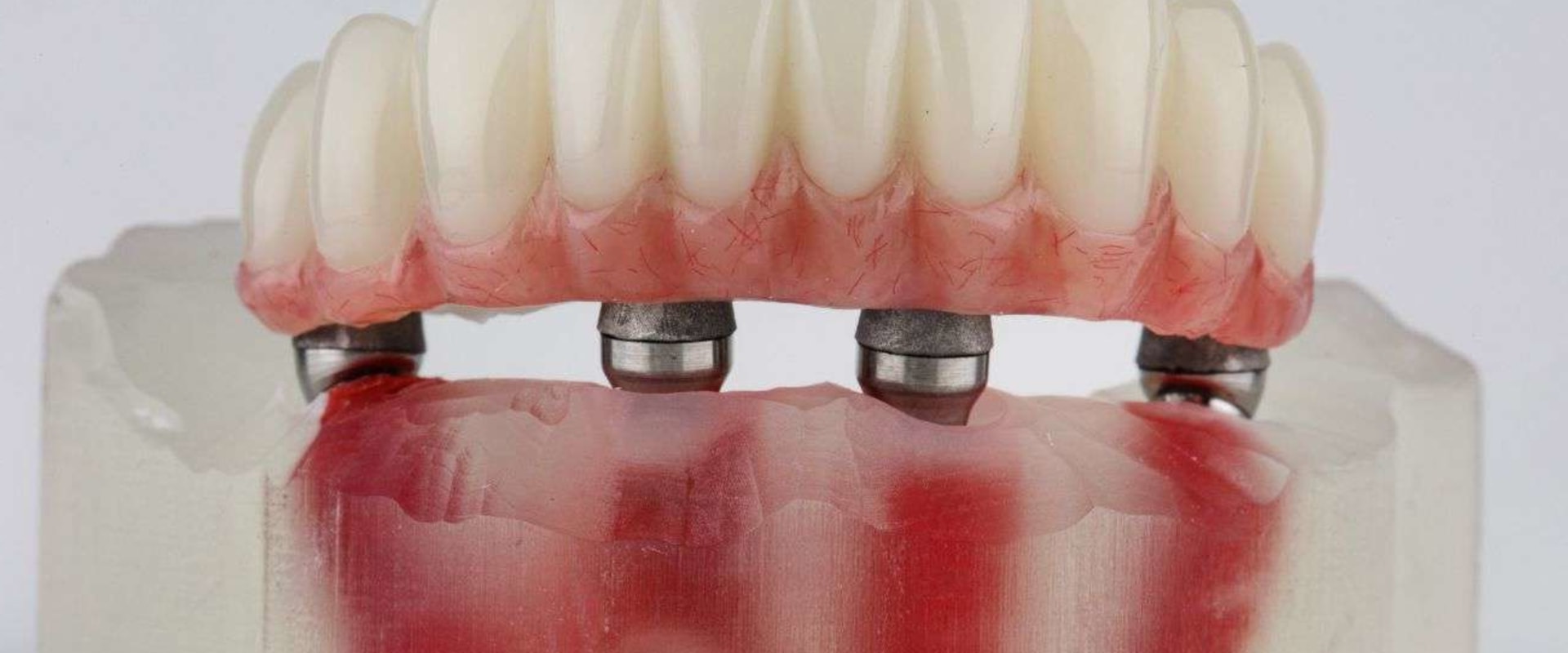
Dental bridges are a vital solution in modern dentistry, designed to address the issue of missing teeth. They serve as a prosthetic device that effectively fills the gap left by one or more missing teeth, restoring both functionality and aesthetics to your smile. By anchoring onto adjacent healthy teeth or dental implants, dental bridges provide a stable and durable option for tooth replacement. This not only enhances your appearance but also plays a crucial role in maintaining your oral health.Understanding how dental bridges work is essential for anyone considering this treatment.
The process typically begins with a thorough examination by your dentist, who will assess the condition of your existing teeth and gums. Once it is determined that you are a suitable candidate, the next step involves preparing the adjacent teeth for crowns, which will support the bridge. A custom-made pontic, or false tooth, is then created to match the size, shape, and color of your natural teeth. This personalized approach ensures that the bridge blends seamlessly with your smile.There are several types of dental bridges available, each designed to cater to different needs and preferences.
The most common types include traditional bridges, which use crowns on either side of the gap; cantilever bridges, which are anchored on only one side; and Maryland bridges, which utilize a framework bonded to the back of adjacent teeth. Understanding these options allows patients to make informed decisions about their dental care and choose the best solution for their specific situation.In summary, dental bridges not only restore functionality but also enhance the overall aesthetic appeal of your smile. By filling in gaps left by missing teeth, they help prevent further dental issues while providing a long-lasting solution that can significantly improve your quality of life. As we explore the benefits of dental bridges further in this article, it becomes clear that they are an invaluable asset in maintaining optimal oral health.
The Importance of Dental Insurance for Dental Bridges
When considering dental bridges, understanding the role of dental insurancedental insurance is crucial for making this restorative procedure more affordable.Dental insurance plans often provide coverage for a variety of dental services, including the placement of dental bridges. This coverage can significantly reduce the out-of-pocket expenses associated with the procedure, making it a viable option for many patients.Typically, dental insurance plans categorize procedures into three tiers: preventive, basic, and major services. Dental bridges usually fall under the major services category. Depending on your specific plan, insurance may cover a percentage of the costs associated with dental bridges, often ranging from 50% to 80%.
This means that if you require a bridge costing $1,000, your insurance could potentially cover $500 to $800, leaving you responsible for only a fraction of the total cost.To maximize your benefits, it’s essential to understand how dental insurance works:
- Deductibles: Most plans require you to pay a deductible before coverage kicks in. This is an amount you must pay out-of-pocket for dental services before your insurance starts to contribute.
- Annual Maximums: Insurance plans often have an annual maximum limit on how much they will pay for dental care in a given year. Be sure to check this limit to avoid unexpected costs.
- Pre-authorization: Some plans may require pre-authorization for major procedures like dental bridges. This means your dentist will need to submit a treatment plan to your insurance provider for approval before proceeding.
Regular visits to the dentist can help identify issues early on, potentially preventing the need for more extensive and costly treatments in the future. Additionally, many insurance plans include preventive care at little or no cost, which can help maintain your overall oral health and reduce the likelihood of requiring procedures like dental bridges.In summary, understanding your dental insurance coverage is vital when considering dental bridges. By leveraging your insurance benefits effectively, you can make this important dental restoration more affordable and accessible, ensuring that you maintain both your oral health and your smile.
Key Benefits of Dental Bridges
Dental bridges offer a multitude of benefits that make them an attractive option for individuals seeking to restore their smiles and improve their oral health. Below, we explore the key advantages of choosing dental bridges as a solution for missing teeth.- Aesthetic Improvements: One of the most immediate benefits of dental bridges is the enhancement of your smile's appearance.
By filling in gaps left by missing teeth, bridges create a more uniform and complete look. This can significantly boost your confidence, allowing you to smile freely without feeling self-conscious about gaps or missing teeth.
- Functional Enhancements: Dental bridges not only improve aesthetics but also restore functionality. Missing teeth can make it difficult to chew food properly, leading to dietary restrictions. With a bridge in place, you can enjoy a wider variety of foods without discomfort, as the bridge helps distribute bite forces evenly across your mouth.
- Prevention of Teeth Shifting: When a tooth is lost, adjacent teeth may begin to shift into the empty space, leading to misalignment and bite issues.
Dental bridges help maintain the position of surrounding teeth, preventing them from drifting out of place and ensuring that your bite remains intact.
- Long-Term Oral Health Benefits: By filling in gaps and restoring proper alignment, dental bridges can help reduce the risk of developing further dental issues such as tooth decay and gum disease. Maintaining a healthy bite and preventing shifting teeth can save you from more extensive and costly dental procedures in the future.
- Durability and Longevity: Modern dental bridges are designed to be durable and long-lasting. With proper care and maintenance, they can serve you well for many years, making them a wise investment in your oral health.
- Cost-Effectiveness: Compared to other tooth replacement options like implants, dental bridges are often more affordable. Many dental insurance plans cover a portion of the costs associated with bridges, making them an accessible choice for many patients.
If you're considering options for tooth replacement, dental bridges should be at the top of your list due to their numerous advantages.
How Dental Bridges Improve Oral Health
Dental bridges play a crucial role in enhancing your oral health, particularly for individuals who have lost one or more teeth. By filling the gaps left by missing teeth, dental bridges help to maintain the integrity of your mouth and prevent a host of dental issues.One of the primary benefits of dental bridges is their ability to prevent shifting teeth. When a tooth is lost, the surrounding teeth can begin to drift into the empty space. This shifting can lead to misalignment, which not only affects your smile but can also create complications with your bite.A misaligned bite can result in uneven wear on your teeth, jaw pain, and even headaches. By securing a dental bridge in place, you effectively anchor the adjacent teeth, keeping them in their proper positions and maintaining a healthy alignment.Moreover, dental bridges contribute significantly to maintaining bite alignment. A balanced bite is essential for effective chewing and overall oral function. When teeth are missing, the pressure exerted during chewing can become unevenly distributed, leading to excessive strain on certain teeth.
This imbalance can cause further tooth loss or damage over time. Dental bridges help distribute biting forces evenly across your mouth, reducing the risk of additional dental problems.In addition to preventing shifting and maintaining bite alignment, dental bridges also play a vital role in reducing the risk of gum disease. Gaps left by missing teeth can create pockets where food particles and bacteria can accumulate, leading to plaque buildup and inflammation of the gums. This condition can escalate into gum disease if not addressed promptly.
By filling these gaps with a dental bridge, you minimize the spaces where bacteria can thrive, making it easier to maintain good oral hygiene.Furthermore, having a complete set of teeth contributes to better overall health. Missing teeth can affect your ability to chew properly, which may lead to dietary changes that could impact your nutrition. With dental bridges restoring functionality, you can enjoy a balanced diet without discomfort.In summary, dental bridges are not just cosmetic solutions; they are essential for preserving oral health. By preventing tooth shifting, maintaining bite alignment, and reducing the risk of gum disease, they provide comprehensive benefits that contribute to a healthier mouth and improved quality of life.
Cosmetic Advantages of Dental Bridges
When it comes to achieving a beautiful smile, dental bridges offer significant cosmetic advantages that can transform your appearance and enhance your self-esteem.These prosthetic devices not only restore functionality but also play a crucial role in improving the aesthetics of your smile.One of the primary cosmetic benefits of dental bridges is their ability to fill in gaps left by missing teeth. This is particularly important because gaps can lead to an uneven smile, which may cause self-consciousness when speaking or smiling. By bridging these gaps, dental bridges create a more uniform and complete appearance, allowing individuals to smile confidently.Moreover, dental bridges are designed to blend seamlessly with your natural teeth. They are crafted from materials that mimic the color and texture of real teeth, ensuring that they look as natural as possible.
This attention to detail means that no one will be able to tell that you have a dental bridge, further enhancing your confidence.In addition to filling gaps, dental bridges can also improve the overall shape and size of your teeth. If you have small or misshapen teeth, a bridge can cover these imperfections, resulting in a more proportionate and balanced smile. This transformation can significantly boost your self-image and encourage you to engage more freely in social situations.Another aspect of the cosmetic advantages of dental bridges is their ability to enhance facial aesthetics. Missing teeth can lead to changes in facial structure, such as sagging or a sunken appearance.
By restoring lost teeth with a bridge, you can maintain the natural contours of your face, which contributes to a youthful and vibrant look.Furthermore, the psychological impact of having a complete smile cannot be overstated. Many individuals report feeling more confident and attractive after receiving dental bridges. This newfound confidence can positively affect various aspects of life, including personal relationships and professional opportunities.In summary, the cosmetic benefits of dental bridges extend beyond mere aesthetics; they play a vital role in enhancing self-esteem and overall quality of life. By filling gaps, improving tooth appearance, and maintaining facial structure, dental bridges provide an effective solution for those seeking to enhance their smile.
Cost-Effectiveness of Dental Bridges Compared to Other Options
When considering tooth replacement options, the cost-effectiveness of dental bridges stands out, especially when compared to alternatives like dental implants and dentures.Understanding the financial implications of each option can help you make an informed decision that aligns with your budget and long-term oral health goals.
Cost Comparison: Dental Bridges vs. Implants
Dental implants are often regarded as the gold standard for tooth replacement due to their durability and natural appearance. However, they come with a significantly higher price tag. The average cost of a single dental implant can range from $3,000 to $4,500, depending on various factors such as location and the complexity of the procedure.
In contrast, dental bridges typically cost between $1,500 and $2,500 per unit, making them a more affordable option for many patients.While implants may offer longevity, the initial investment can be daunting. Additionally, implants require a surgical procedure and a longer healing time, which can add to the overall cost when considering follow-up visits and potential complications.
Affordability of Dental Bridges
The affordability of dental bridges is one of their most appealing features. Many dental insurance plans cover a portion of the costs associated with bridges, which can further reduce out-of-pocket expenses. This coverage makes bridges accessible to a wider range of patients who may not have the financial means to invest in implants.Moreover, dental bridges do not require extensive surgical procedures or lengthy recovery times, allowing patients to return to their normal activities more quickly.
This convenience can translate into additional savings by minimizing time away from work or other responsibilities.
Long-Term Savings with Dental Bridges
Choosing dental bridges can lead to significant long-term savings. By filling gaps left by missing teeth, bridges help prevent complications such as shifting teeth and bite misalignment. These issues can lead to more serious dental problems down the line, potentially requiring costly treatments like orthodontics or additional restorative work.Furthermore, maintaining good oral health with a bridge can reduce the risk of gum disease and tooth decay, both of which can incur high treatment costs if left unaddressed. In essence, investing in a dental bridge not only addresses immediate aesthetic concerns but also serves as a proactive measure for long-term oral health.In summary, while dental implants may offer certain advantages in terms of longevity and stability, the cost-effectiveness of dental bridges makes them an attractive option for many individuals seeking affordable solutions for missing teeth.
With lower initial costs, potential insurance coverage, and long-term savings on future dental care, bridges provide excellent value for those looking to restore their smiles without breaking the bank.
The Process of Getting Dental Bridges
Obtaining dental bridges involves a series of well-defined steps that ensure a successful outcome. Understanding this process can help alleviate any anxiety you may have and prepare you for what to expect during your dental visits.1.Initial Consultation
The journey begins with an initial consultation with your dentist. During this appointment, your dentist will evaluate your oral health, discuss your specific needs, and determine if dental bridges are the right solution for you. This may involve:
- A thorough examination of your teeth and gums.
- X-rays to assess the condition of your jawbone and surrounding teeth.
- Discussion of your medical history and any medications you are taking.
2.Treatment Planning
Once you decide to proceed with the dental bridge, your dentist will create a detailed treatment plan.
This plan outlines the steps involved, including timelines and costs. It’s essential to ask any questions you may have at this stage to ensure you fully understand the process.
3.Preparing the Teeth
The next step involves preparing the teeth that will support the bridge. This typically requires:
- Shaping the adjacent teeth by removing a small amount of enamel to accommodate crowns.
- Taking impressions of your teeth to create a custom bridge that fits perfectly.
4.Fitting the Permanent Bridge
Once your permanent bridge is ready, you will return to the dental office for fitting. During this appointment:
- Your dentist will remove the temporary bridge and check the fit of the permanent one.
- Adjustments may be made to ensure comfort and proper alignment.
- The bridge will be securely cemented in place once everything is satisfactory.
5.Aftercare and Follow-Up
After placement, it’s crucial to follow your dentist's aftercare instructions.
This may include:
- Avoiding hard or sticky foods for a few days.
- Maintaining excellent oral hygiene by brushing and flossing regularly.
- Scheduling follow-up appointments to monitor the bridge's condition and ensure proper function.
Frequently Asked Questions About Dental Bridges
When considering dental bridges, many patients have questions and concerns that need addressing. Below are some of the most frequently asked questions regarding dental bridges, particularly focusing on their longevity, costs, and insurance coverage.What is a dental bridge?
A dental bridge is a prosthetic device used to replace one or more missing teeth. It consists of one or more artificial teeth, known as pontics, which are anchored in place by crowns on adjacent healthy teeth or dental implants.This restoration not only fills the gap left by missing teeth but also helps maintain the alignment of your bite.
How long do dental bridges last?
The longevity of a dental bridge can vary based on several factors, including the type of bridge, the materials used, and your oral hygiene practices. On average, a well-maintained dental bridge can last between 5 to 15 years. Regular dental check-ups and good oral hygiene can significantly extend its lifespan.Are dental bridges covered by insurance?
Most dental insurance plans provide some level of coverage for dental bridges. However, the extent of coverage can vary widely depending on your specific plan.Typically, insurance may cover a portion of the costs associated with the procedure, including the initial consultation, materials used, and placement. It’s advisable to check with your insurance provider to understand your benefits and any out-of-pocket expenses you may incur.
What are the potential risks or complications?
While dental bridges are generally safe and effective, there are potential risks involved. These may include:- Decay: The supporting teeth may be at risk for decay if not properly cared for.
- Gum disease: Poor oral hygiene can lead to gum issues around the bridge.
- Bridge failure: If not properly fitted or maintained, a bridge may become loose or fail over time.
Can I get a dental bridge if I have gum disease?
If you have gum disease, it’s crucial to address this issue before considering a dental bridge. Healthy gums are essential for supporting any dental restoration.Your dentist will likely recommend treating the gum disease first to ensure a successful outcome for your bridge.In summary, understanding these common questions about dental bridges can help alleviate concerns and guide you in making informed decisions about your oral health. Always consult with your dentist for personalized advice tailored to your specific situation.
Conclusion: The Value of Dental Bridges for Your Oral Health
In summary, dental bridges represent a significant advancement in restorative dentistry, offering a multitude of benefits that cater to both functional and aesthetic needs. As we have explored throughout this article, the importance of addressing missing teeth cannot be overstated. Not only do gaps in your smile affect your confidence, but they can also lead to serious oral health issues if left untreated.One of the most compelling reasons to consider dental bridges is their affordability.Many patients find that dental bridges are a cost-effective solution compared to other tooth replacement options, such as dental implants. Furthermore, the majority of dental insurance plans provide coverage for dental bridges, making them an accessible choice for those seeking to restore their smiles without incurring significant out-of-pocket expenses.Beyond financial considerations, dental bridges play a crucial role in maintaining oral health. By filling the gaps left by missing teeth, they help prevent neighboring teeth from shifting out of alignment, which can lead to bite problems and further tooth loss. This preventive aspect is vital for long-term oral health and can save patients from more complex and costly procedures down the line.Additionally, dental bridges enhance the overall appearance of your smile.
They are designed to blend seamlessly with your natural teeth, providing a uniform and aesthetically pleasing look. This improvement not only boosts self-esteem but also encourages better oral hygiene practices, as individuals are more likely to care for their smiles when they feel confident about their appearance.In conclusion, if you are facing the challenges of missing teeth, it is essential to consider dental bridges as a viable solution. They offer a blend of affordability, functionality, and cosmetic enhancement that can significantly improve your quality of life. Consult with your dentist to discuss whether dental bridges are the right option for you and take the first step towards achieving a healthier and more confident smile.