When it comes to maintaining good oral health, having the right dental insurancedental insurance is crucial. Dental insurance not only helps cover the costs of routine check-ups and preventive care but also provides financial support for more extensive procedures that may arise unexpectedly. Among the various types of dental insurance plans available, Preferred Provider Organizations (PPOs) have gained popularity due to their unique blend of flexibility and affordability. Understanding how these plans work can empower you to make informed decisions about your dental coverage.PPO dental plans operate on a network basis, where members are encouraged to seek care from a list of approved dentists and specialists. is crucial. Dental insurance not only helps cover the costs of routine check-ups and preventive care but also provides financial support for more extensive procedures that may arise unexpectedly. Among the various types of dental insurance plans available, Preferred Provider Organizations (PPOs) have gained popularity due to their unique blend of flexibility and affordability. Understanding how these plans work can empower you to make informed decisions about your dental coverage.PPO dental plans operate on a network basis, where members are encouraged to seek care from a list of approved dentists and specialists.
These providers have agreed to offer services at discounted rates, which can lead to significant savings for policyholders. However, one of the key features of PPOs is that they also allow members the option to visit out-of-network providers, albeit at a higher cost. This flexibility can be particularly appealing for individuals who have established relationships with specific dentists or those who may require specialized care not available within the network.As you explore your options for affordable dental coverage, it’s essential to weigh the benefits and drawbacks of PPOs against your personal needs and preferences. While these plans often cover a wide range of services—from preventive care like cleanings and x-rays to major procedures such as root canals and crowns—they may also come with limitations that could affect your overall experience.
By delving into the specifics of PPO dental plans, you can better understand how they align with your healthcare goals and financial situation.
What is a PPO?
A Preferred Provider Organization, commonly referred to as a PPO, is a type of dental insurance plan that offers a unique structure designed to provide members with both flexibility and cost savings. At its core, a PPO operates through a network of dentists and specialists who have agreed to provide services at reduced rates for members of the plan. This arrangement allows individuals to receive quality dental care while minimizing their out-of-pocket expenses.One of the defining features of a PPO is its network of providers. Members are encouraged to choose dentists within this network, as doing so typically results in lower co-pays and deductibles.In-network providers have negotiated fees with the insurance company, which means that patients can benefit from significant discounts on various dental services. This can be particularly advantageous for routine care, such as cleanings and check-ups, where costs can add up quickly without insurance.However, PPOs also offer the option to visit out-of-network providers. While this flexibility allows members to maintain relationships with their preferred dentists, it often comes with higher costs. When choosing an out-of-network provider, patients may face increased co-pays and deductibles, which can lead to unexpected expenses.
Therefore, it’s essential for members to weigh the benefits of seeing their preferred dentist against the potential for higher costs.In addition to providing access to a network of dentists, PPOs typically cover a wide range of dental services. Most plans include coverage for preventive care—such as routine cleanings, x-rays, and exams—often at little or no cost to the member. This focus on preventive care is crucial for maintaining oral health and can help prevent more serious and costly dental issues down the line.Overall, understanding how a PPO works is vital for anyone considering this type of dental insurance. By leveraging the benefits of in-network providers while also having the option to go out-of-network if necessary, PPOs strike a balance between affordability and flexibility in dental care.
The Benefits of Choosing a PPO for Dental Coverage
Choosing a Preferred Provider Organization (PPO) for your dental coverage can offer numerous advantages that cater to a variety of needs and preferences.Understanding these benefits can help you make an informed decision about your dental insurance options.
Cost Savings Through Discounted Rates
One of the most compelling reasons to select a PPO is the potential for significant cost savings. PPOs negotiate discounted rates with a network of dentists and specialists, which means that members can access dental services at lower prices compared to traditional insurance plans. For instance, routine check-ups, cleanings, and preventive care often come at little to no cost when using in-network providers. This can lead to substantial savings over time, especially for families who require regular dental visits.Moreover, many PPO plans have lower deductibles and out-of-pocket maximums compared to other types of dental insurance.
This means that not only do you save on individual services, but you also have a more manageable financial responsibility overall.
Flexibility in Provider Choice
PPOs are known for their flexibility when it comes to choosing healthcare providers. While they encourage members to use in-network dentists for maximum savings, they also allow visits to out-of-network providers. This is particularly beneficial for individuals who may have a long-standing relationship with a dentist who is not part of the PPO network. Although out-of-network visits may incur higher costs, the option remains available, providing peace of mind and choice.This flexibility extends beyond just provider choice; it also encompasses the types of services covered.
Many PPO plans offer a wide range of covered services, from preventive care to major procedures like crowns and root canals. This comprehensive coverage ensures that members are protected against unexpected dental expenses.
Comprehensive Coverage Options
PPOs typically cover a broad spectrum of dental services, making them an attractive option for those seeking comprehensive care. Most plans include coverage for:
- Preventive services such as cleanings and exams
- Basic restorative procedures like fillings
- Major services including crowns, bridges, and root canals
- Orthodontic treatments in some cases
These advantages make PPOs an appealing choice for many consumers looking to maintain their oral health while managing their budget effectively.
Cost Savings: How PPOs Make Dental Care More Affordable
When it comes to managing dental expenses, understanding how Preferred Provider Organizations (PPOs) can lead to significant cost savings is crucial. One of the primary advantages of PPOs is their structured approach to affordable dental care, which can help individuals and families navigate the often high costs associated with dental services.One of the key components of PPO plans is the concept of in-network versus out-of-network providers. In-network dentists have agreed to provide services at reduced rates, which means that when you choose a dentist from this network, you can enjoy substantial savings on your dental care. For example, a routine cleaning that might cost $150 at an out-of-network provider could be reduced to $80 or even less when performed by an in-network dentist.Additionally, PPOs typically feature lower deductibles compared to other types of dental insurance plans.A deductible is the amount you must pay out-of-pocket before your insurance begins to cover costs. Many PPOs have deductibles that are manageable, allowing you to access benefits sooner. This is particularly beneficial for those who require regular preventive care, as these services often come at little to no cost after the deductible is met.Another financial aspect to consider is the co-pay. Co-pays are fixed amounts you pay for specific services, such as visits or treatments.
With PPOs, co-pays for preventive services like cleanings and check-ups are often minimal or non-existent, making it easier for individuals to maintain their oral health without worrying about high costs.However, it’s essential to be aware of the potential for higher out-of-pocket costs when opting for out-of-network providers. While PPOs do offer some coverage for these visits, the reimbursement rates are typically lower than those for in-network services. This means that if you choose to see a dentist outside of your plan’s network, you may end up paying significantly more than if you had selected an in-network provider.In summary, PPOs can provide substantial cost savings through lower deductibles and co-pays while encouraging members to utilize in-network providers for maximum financial benefits. By understanding these financial implications and carefully selecting your dental care providers, you can make informed decisions that enhance your overall dental health while keeping expenses manageable.
Flexibility in Provider Choice: A Key Advantage of PPOs
One of the standout features of Preferred Provider Organizations (PPOs) is the flexibility they offer in choosing dental care providers.This flexibility is particularly appealing to individuals and families who value having options when it comes to their dental health. Unlike some other types of dental insurance plans, PPOs allow members to select from a broad network of dentists and specialists, ensuring that they can find a provider that meets their specific needs.When you enroll in a PPO plan, you gain access to a list of in-network providers who have agreed to offer services at discounted rates. This means that by choosing an in-network dentist, you can significantly reduce your out-of-pocket expenses. However, what sets PPOs apart is the ability to also visit out-of-network providers if you so choose.
While this may come with higher costs, it provides an essential safety net for those who may have a preferred dentist not included in the network.Here are some key points to consider regarding flexibility in provider choice with PPOs:
- Wide Network of Providers: PPOs typically boast a large network of dentists, which can include general practitioners, specialists, and even dental clinics. This variety allows members to select a provider based on location, specialty, and personal preference.
- Out-of-Network Options: If you have a long-standing relationship with a dentist who is not part of the PPO network, you can still receive care from them. While you may incur higher costs for out-of-network services, this option ensures that you are not forced to switch providers against your will.
- Ease of Access: Many PPOs provide online directories where members can easily search for in-network dentists by location or specialty. This feature simplifies the process of finding a suitable provider and helps ensure that members receive timely care.
- Continuity of Care: For individuals with ongoing dental issues or those who require regular visits for maintenance, the ability to choose their own dentist can be crucial.
Maintaining continuity with a trusted provider can lead to better health outcomes and more personalized care.
Comprehensive Coverage: What Services Are Typically Included?
When evaluating a Preferred Provider Organization (PPO) dental insurance plan, understanding the range of services covered is crucial.Most PPO plans are designed to provide a comprehensive array of dental services, which can be broadly categorized into preventive care and major procedures. Each category plays a vital role in maintaining oral health and managing costs effectively.
Preventive Care Services
Preventive care is the cornerstone of any dental insurance plan, including PPOs. These services are aimed at preventing dental issues before they arise and typically include:- Routine Cleanings: Most PPO plans cover two cleanings per year at little to no cost. Regular cleanings help remove plaque and tartar buildup, reducing the risk of cavities and gum disease.
- Examinations: Comprehensive dental exams are usually covered annually.
These exams allow dentists to assess overall oral health and identify potential problems early.
- X-rays: Diagnostic imaging, such as bitewing or panoramic X-rays, is often included to help detect issues that are not visible during a standard examination.
- Fluoride Treatments: Some plans may cover fluoride treatments for children and adults, which can strengthen tooth enamel and prevent decay.
- Sealants: Dental sealants may be covered for children to protect their molars from cavities.
Major Dental Procedures
While preventive care is critical, many individuals may also require major dental procedures at some point. PPO plans typically cover a variety of these services, although coverage levels may vary:- Fillings: Coverage for fillings is common, whether they are for cavities or repairs due to trauma.
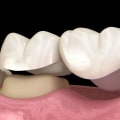
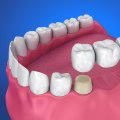
- Crowns: Many PPOs provide partial coverage for crowns, which are often necessary for damaged or decayed teeth.
- Root Canals: This procedure is essential for saving teeth that have become infected or severely decayed. Most PPOs will cover a portion of the costs associated with root canals.
- Dentures and Bridges: These restorative options are often included in PPO plans, helping individuals replace missing teeth.
- Oral Surgery: Surgical procedures such as tooth extractions may also be covered under many PPO plans.
Additionally, while preventive services generally have lower out-of-pocket costs, major procedures may require higher deductibles or co-pays.In summary, knowing what services are typically included in a PPO dental insurance plan can help you make informed decisions about your oral health care. By prioritizing preventive care while also being aware of coverage for major procedures, you can better manage your dental expenses and maintain a healthy smile.
Potential Drawbacks of PPO Dental Plans
While Preferred Provider Organizations (PPOs) offer numerous advantages for dental coverage, it is essential to consider the potential drawbacks that may affect your decision. Understanding these limitations can help you make a more informed choice about your dental insurance options.Network Limitations
One of the primary concerns with PPO dental plans is the size and scope of their provider networks. Although PPOs typically have a broad range of participating dentists, there may still be limitations based on your geographic location.
In some areas, you might find that:
- The number of in-network providers is limited, making it challenging to find a dentist who meets your needs.
- Some specialists may not be included in the network, which could require you to seek out-of-network care for certain procedures.
Higher Costs for Out-of-Network Visits
Another significant drawback of PPO dental plans is the potential for increased expenses when visiting out-of-network providers. While PPOs do offer some level of coverage for out-of-network services, the reimbursement rates are often much lower than those for in-network care. This can lead to:
- Higher deductibles and co-pays when seeking treatment from non-participating dentists.
- A greater financial burden if you require extensive dental work that necessitates out-of-network visits.
Complexity of Coverage
PPO plans can also be complex regarding what services are covered and at what percentage.
Many plans have tiered coverage levels, meaning:
- Preventive services like cleanings and exams may be covered at 100%, while major procedures such as crowns or root canals might only be partially covered.
- You may encounter waiting periods for certain services or limitations on how often specific treatments can be performed.
Annual Maximums
Many PPO dental plans impose annual maximum limits on the amount they will pay for covered services within a given year. Once you reach this limit, you will be responsible for any additional costs incurred. This can be particularly concerning if:
- You require extensive dental work or multiple procedures within a single year.
- You have ongoing dental issues that necessitate frequent visits and treatments.
Limitations related to network size, higher costs for out-of-network visits, complex coverage structures, and annual maximums are all factors that consumers should carefully consider when evaluating their dental insurance options. By weighing these disadvantages against the benefits, you can make a more informed decision that aligns with your dental health needs and financial situation.
Comparing PPOs with Other Types of Dental Insurance Plans
When evaluating dental insurance options, it’s essential to compare Preferred Provider Organizations (PPOs) with other types of plans, such as Health Maintenance Organizations (HMOs) and indemnity plans. Each type of dental insurance has its unique features, benefits, and drawbacks that can significantly impact your overall dental care experience.PPO vs. HMO Dental Plans
PPOs and HMOs are two of the most common types of dental insurance plans, but they operate quite differently:- Flexibility: PPOs offer greater flexibility in choosing dental providers.
Members can visit any dentist, but they will save more by choosing in-network providers. In contrast, HMOs require members to select a primary care dentist and obtain referrals for specialists, which can limit choices.
- Cost Structure: Generally, PPOs have higher premiums than HMOs. However, PPOs often cover a broader range of services and provide more significant discounts for in-network care. HMOs typically have lower premiums and out-of-pocket costs but may not cover as many services.
- Coverage: PPOs usually cover preventive care at little to no cost and offer partial coverage for major procedures.
HMOs also cover preventive services but may have stricter limitations on major procedures and require pre-authorization.
PPO vs. Indemnity Plans
Indemnity plans, also known as fee-for-service plans, provide a different approach to dental insurance:- Provider Choice: Indemnity plans allow members to visit any dentist without network restrictions, similar to PPOs. However, members may need to pay upfront and submit claims for reimbursement.
- Cost Considerations: While indemnity plans offer flexibility in provider choice, they often come with higher out-of-pocket costs. Members may face higher deductibles and co-pays compared to PPOs.
- Coverage Levels: Indemnity plans typically cover a percentage of the costs for various services after the deductible is met.
This can lead to unpredictable expenses compared to the more structured cost-sharing found in PPOs.
Frequently Asked Questions About Dental Insurance and PPOs
When considering dental insurance, particularly Preferred Provider Organizations (PPOs), many consumers have questions that can significantly impact their decision-making process. Below are some frequently asked questions that can help clarify common concerns and misconceptions about dental coverage.What is a PPO in dental insurance?
A Preferred Provider Organization (PPO) is a type of dental insurance plan that offers a network of dentists and specialists who have agreed to provide services at reduced rates. Members can choose to visit any dentist, but they will save more by selecting providers within the network.This flexibility allows for a balance between cost savings and provider choice.
Are preventive services covered under PPO plans?
Yes, most PPO plans cover preventive services such as routine cleanings, exams, and x-rays at little to no cost. This emphasis on preventive care is designed to encourage regular dental visits, which can help prevent more serious and costly dental issues down the line.What happens if I go out of network?
If you choose to see a dentist outside of the PPO network, you will still receive some level of coverage; however, your out-of-pocket costs will likely be higher. This is because out-of-network providers do not have agreed-upon rates with the insurance company, which means you may be responsible for a larger portion of the bill.How do I know if my dentist is in the PPO network?
Most PPO insurance providers maintain an online directory of in-network dentists. You can also call your insurance company directly or ask your dentist's office if they accept your specific PPO plan.It’s advisable to verify this information before scheduling an appointment to avoid unexpected costs.
What are the typical costs associated with PPO dental plans?
The costs associated with PPO dental plans can vary widely based on the specific plan and provider. Generally, members may encounter:- Premiums: The monthly fee paid for coverage.
- Deductibles: The amount you must pay out-of-pocket before your insurance begins to cover services.
- Co-pays: Fixed amounts you pay for specific services, such as office visits or procedures.
- Coinsurance: A percentage of the cost you are responsible for after meeting your deductible.
Can I get coverage for major dental procedures?
Yes, many PPO plans offer coverage for major dental procedures such as crowns, root canals, and bridges. However, it’s essential to review your specific plan details, as coverage levels and waiting periods may vary. Understanding these aspects can help you prepare financially for any significant dental work you may need in the future.By addressing these common questions about dental insurance and PPOs, consumers can make more informed decisions regarding their dental health coverage.Always take the time to read through your plan documents and consult with your insurance provider for personalized guidance.
Conclusion: Making an Informed Decision About Your Dental Coverage
In conclusion, navigating the world of dental insurance can be a complex task, especially when considering the various options available, such as Preferred Provider Organizations (PPOs). Throughout this article, we have explored the numerous advantages and disadvantages associated with PPOs, providing you with a comprehensive understanding of how they function and what they offer.One of the most significant benefits of PPOs is their potential for cost savings. By utilizing a network of approved dentists, members can access discounted rates for a wide range of dental services. This can make essential dental care more affordable, particularly for preventive services like cleanings and check-ups.Additionally, many PPO plans cover major procedures, which can alleviate the financial burden associated with unexpected dental issues.However, it is crucial to recognize the limitations that come with these plans. The necessity to stay within a network to maximize savings can restrict your choice of providers. If you have a preferred dentist who is not part of the PPO network, you may face higher out-of-pocket costs. Furthermore, while PPOs generally offer flexibility in choosing providers, this flexibility may not always translate into significant savings when opting for out-of-network care.When making your decision about dental coverage, consider your individual needs and circumstances.
Ask yourself:
- What types of dental services do you anticipate needing? If you primarily require preventive care, a PPO may be an excellent fit.
- Do you have a preferred dentist? Ensure that they are within the PPO network to avoid additional costs.
- How often do you visit the dentist? Frequent visits may warrant a plan that offers comprehensive coverage for both preventive and major services.