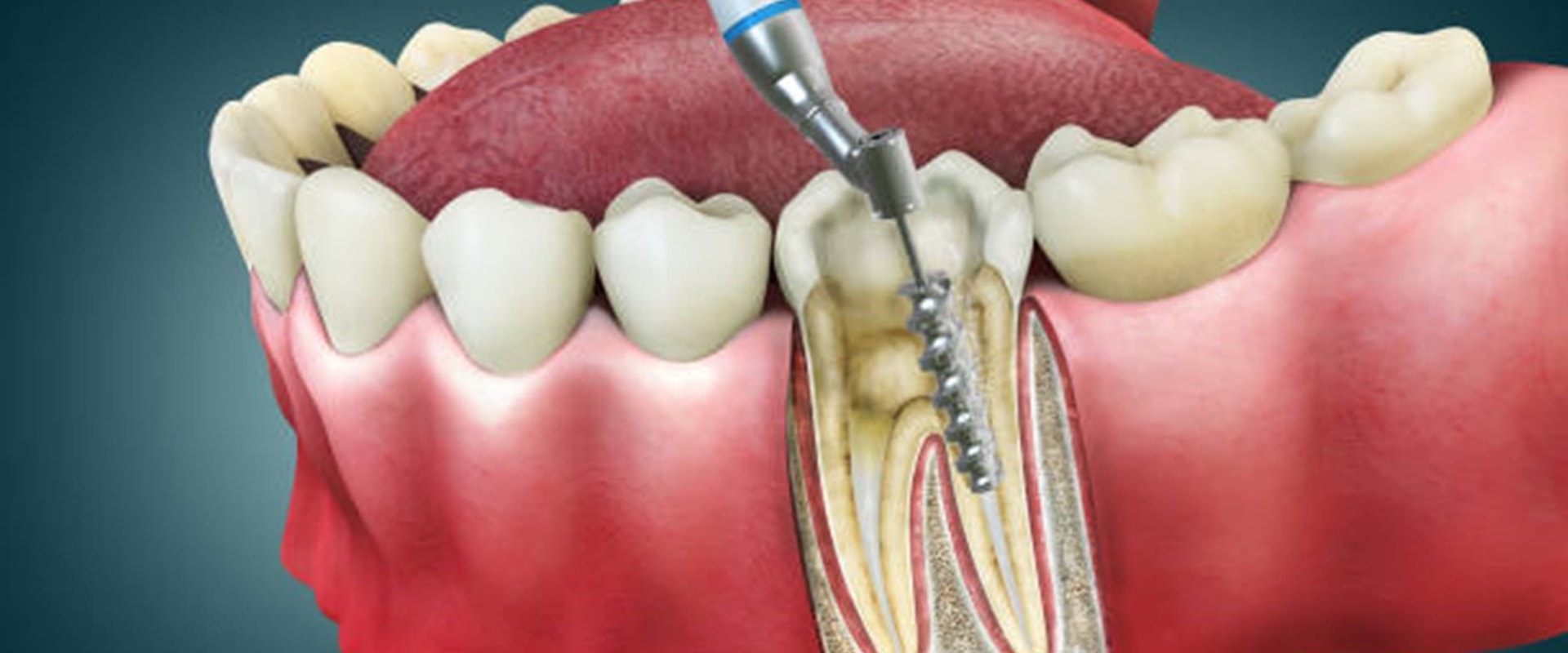
A root canalroot canal is a dental procedure that addresses issues within the pulp of a tooth, which can become infected or inflamed due to severe tooth decay or trauma. This treatment is often misunderstood and feared, yet it plays a crucial role in preserving natural teeth and maintaining overall dental health. By removing the infected pulp and sealing the tooth, a root canal can alleviate pain and prevent further complications, such as abscesses or tooth loss.The importance of a root canal extends beyond immediate relief from discomfort. When left untreated, an infected tooth can lead to more serious health issues, including systemic infections that may affect other parts of the body.
Therefore, undergoing a root canal not only saves the affected tooth but also contributes to your overall well-being. It allows individuals to retain their natural teeth, which is vital for proper chewing function and maintaining the structure of the jaw.Moreover, understanding the necessity of root canals can help demystify the procedure for patients. Many people are unaware that modern techniques and anesthesia make root canals relatively painless compared to their reputation. With advancements in dental technology, patients can expect a more comfortable experience than ever before.
This knowledge can empower individuals to seek timely treatment rather than postponing necessary care out of fear.In summary, root canals are essential for addressing dental issues that arise from decay or injury. They not only relieve pain but also protect your overall health by preventing further complications. As we delve deeper into aftercare and the importance of having affordable dental insurance coverage for such procedures, it becomes clear that understanding root canals is the first step toward better dental health.
Essential Aftercare Tips Following a Root Canal
After undergoing a root canal, proper aftercare is vital to ensure a smooth recovery and to maintain the health of the treated tooth. Here are some essential tips to follow:- Maintain Excellent Oral Hygiene: It is crucial to continue your regular oral hygiene routine.
Brush your teeth at least twice a day and floss daily, being gentle around the treated area. This helps prevent infection and promotes healing.
- Use a Soft-Bristled Toothbrush: Switch to a soft-bristled toothbrush for at least a week after your procedure. This will minimize irritation to the sensitive area and help you clean effectively without causing discomfort.
- Avoid Hard and Sticky Foods: For the first few days post-treatment, steer clear of hard, crunchy, or sticky foods that could put pressure on the treated tooth. Foods like nuts, popcorn, and caramel can cause damage or discomfort.
- Limit Hot and Cold Foods: Your tooth may be sensitive to temperature changes after a root canal.
Avoid extremely hot or cold foods and beverages until sensitivity decreases.
- Take Pain Medication as Directed: If your dentist prescribes pain medication, take it as directed to manage any discomfort. Over-the-counter pain relievers can also be effective if recommended by your dentist.
- Apply Ice Packs: If you experience swelling or discomfort, applying an ice pack to the outside of your cheek for 10-15 minutes can help reduce inflammation and numb the area.
- Follow Up with Your Dentist: Schedule any follow-up appointments as advised by your dentist. These visits are important for monitoring your recovery and addressing any potential complications early on.
Maintaining Oral Hygiene After a Root Canal
After undergoing a root canal, maintaining proper oral hygiene is essential for ensuring the success of the procedure and promoting healing.The treated tooth may be sensitive, and your overall dental health can be affected if proper care is not taken. Here are some specific practices to follow:
Brushing Techniques
When it comes to brushing after a root canal, gentle techniques are key. Here are some tips:- Use a Soft-Bristled Toothbrush: A soft-bristled toothbrush is less abrasive on sensitive gums and teeth. It helps to clean effectively without causing additional discomfort.
- Brush Gently: Use gentle, circular motions rather than aggressive back-and-forth strokes.
This minimizes irritation to the treated area.
- Focus on the Treated Tooth: While it’s important to brush all your teeth, pay special attention to the tooth that underwent the root canal. Ensure you clean around the gum line and any areas where bacteria may accumulate.
- Timing Matters: Wait at least 24 hours after the procedure before brushing near the treated area to allow initial healing. After that, resume your regular brushing routine but with caution.
The Importance of Flossing
Flossing is another critical component of oral hygiene that should not be neglected after a root canal:- Daily Flossing: Floss at least once a day to remove food particles and plaque from between your teeth. This helps prevent infection and promotes healing.
- Be Gentle: When flossing around the treated tooth, be extra cautious.
Avoid snapping the floss into place; instead, gently slide it between your teeth.
- Consider Waxed Floss: Using waxed dental floss can help glide more easily between tight spaces without causing damage or discomfort.
Recommended Dental Products
Selecting the right dental products can enhance your oral hygiene routine post-root canal:- Antimicrobial Mouthwash: An alcohol-free antimicrobial mouthwash can help reduce bacteria in your mouth without causing dryness or irritation.
- Sensitivity Toothpaste: If you experience sensitivity after your root canal, consider using toothpaste specifically designed for sensitive teeth.
- Interdental Brushes: These small brushes can be effective for cleaning between teeth, especially if traditional flossing is uncomfortable.
Dietary Recommendations for Post-Root Canal Care
Recovering from a root canal requires careful attention to your diet, as the right foods can significantly aid in the healing process while minimizing discomfort. After the procedure, your tooth may be sensitive, and consuming the wrong types of food can exacerbate this sensitivity or even lead to complications. Here are some dietary recommendations to consider during your recovery.Foods to Avoid
- Hard Foods: Foods that are hard or crunchy, such as nuts, hard candies, and raw vegetables, should be avoided.
These can put unnecessary pressure on the treated tooth and may cause pain or damage.
- Sticky Foods: Chewy or sticky foods like caramel, taffy, or certain types of bread can adhere to the tooth and may be difficult to clean properly, increasing the risk of infection.
- Hot and Cold Foods: Extreme temperatures can trigger sensitivity in the treated area. It’s best to avoid very hot soups or beverages and icy cold drinks immediately after your procedure.
- Spicy Foods: Spices can irritate the gums and surrounding tissues, so it’s wise to steer clear of spicy dishes during your initial recovery phase.
Recommended Soft Foods
In contrast, incorporating soft foods into your diet can help facilitate a smoother recovery. Here are some excellent options:- Mashed Potatoes: Creamy and easy to eat, mashed potatoes provide comfort without putting stress on your teeth.
- Yogurt: A great source of protein and probiotics, yogurt is gentle on the mouth and can aid in digestion.
- Smoothies: Blending fruits with yogurt or milk creates a nutritious drink that is easy to consume. Just be cautious with any seeds or hard bits that could irritate your tooth.
- Soups: Opt for smooth soups without chunks.
Broth-based soups can be soothing and hydrating while providing essential nutrients.
- Puddings and Jell-O: These soft desserts are not only easy to eat but also provide a sweet treat without risking irritation.
Managing Pain and Discomfort After a Root Canal
Experiencing pain and discomfort after a root canal is a common occurrence, as the procedure involves removing infected tissue from the tooth and can lead to inflammation in the surrounding area.Understanding how to manage this discomfort effectively is crucial for a smooth recovery.
Understanding Pain Levels
After a root canal, patients may experience varying levels of pain, typically peaking within the first few days post-procedure. This discomfort can range from mild soreness to more significant pain, depending on individual pain tolerance and the complexity of the procedure. It’s essential to differentiate between normal post-operative discomfort and signs of complications, such as severe pain that persists or worsens over time.
Effective Pain Management Strategies
- Over-the-Counter Medications: Non-prescription pain relievers such as ibuprofen (Advil, Motrin) or acetaminophen (Tylenol) can be effective in managing mild to moderate pain. Always follow the dosage instructions on the label and consult your dentist if you have any concerns.
- Cold Compress: Applying a cold compress to the outside of your cheek near the treated area can help reduce swelling and numb the pain.
Use it for 15-20 minutes at a time, allowing breaks in between applications.
- Rest: Giving your body time to heal is vital. Avoid strenuous activities for a few days following the procedure, as physical exertion can exacerbate discomfort.
- Soft Foods: Stick to a diet of soft foods that require minimal chewing. Foods like yogurt, mashed potatoes, and smoothies can help prevent irritation to the treated tooth.
When to Seek Further Help
If you find that over-the-counter medications are not providing adequate relief or if you experience severe pain that does not subside after a few days, it’s important to contact your dentist. They may prescribe stronger pain relief options or evaluate for any potential complications that could be causing increased discomfort.
Follow-Up Care
Regular follow-up appointments with your dentist are essential for monitoring your recovery.
During these visits, your dentist can assess healing progress and address any ongoing pain issues. Keeping an open line of communication with your dental care provider will ensure that you receive appropriate care tailored to your needs.In summary, while some level of discomfort is expected after a root canal, effective management strategies can significantly alleviate pain. Utilizing over-the-counter medications, applying cold compresses, resting adequately, and maintaining a soft diet are all practical steps you can take to enhance your recovery experience.
The Role of Dental Insurance in Root Canal Aftercare
Having dental insurance that covers root canals and their aftercare is essential for maintaining both oral health and financial stability. Root canal procedures can be costly, and without adequate insurance coverage, patients may find themselves facing significant out-of-pocket expenses.Understanding the role of dental insurance in this context can help individuals make informed decisions about their oral health care.Many dental insurance plans offer varying levels of coverage for root canals, which typically fall under the category of major services. This means that while preventive care is often fully covered, major procedures like root canals may only receive partial reimbursement. Here are some key points to consider regarding Understanding the role of dental insurance in this context can help individuals make informed decisions about their oral health care.Many dental insurance plans offer varying levels of coverage for root canals, which typically fall under the category of major services. This means that while preventive care is often fully covered, major procedures like root canals may only receive partial reimbursement. Here are some key points to consider regarding insurance for root canals:
- Coverage Levels: Most plans will cover a percentage of the cost associated with a root canal, often ranging from 50% to 80%. This can significantly reduce the financial burden on patients.
- Aftercare Coverage: In addition to the procedure itself, many plans also cover necessary aftercare treatments, such as follow-up visits or additional restorative work like crowns.
This is crucial for ensuring the long-term success of the treatment.
- Waiting Periods: Some dental insurance plans impose waiting periods before coverage for major services kicks in. It’s important to review your plan’s details to understand when you can access benefits for root canal treatments.
It not only alleviates financial stress but also encourages individuals to seek necessary treatments without hesitation. By carefully reviewing your options and understanding your coverage, you can ensure that you are well-prepared for any dental challenges that may arise.
Types of Dental Insurance Plans Available
When it comes to selecting a dental insurance plan, understanding the different types available is crucial for making an informed decision. Each type of plan offers varying levels of coverage, costs, and flexibility, particularly when it comes to major services like root canals. Here’s a breakdown of the most common types of dental insurance plans:- PPO (Preferred Provider Organization) : This type of plan offers a network of dentists who have agreed to provide services at reduced rates.
Members can choose to see any dentist, but will pay less if they use a provider within the network. PPO plans typically cover a significant portion of major services, such as root canals, often ranging from 50% to 80% after deductibles are met. This flexibility makes PPOs a popular choice for those who want more control over their dental care.
- HMO (Health Maintenance Organization) : HMO plans require members to select a primary care dentist and obtain referrals for specialist services. While these plans usually have lower premiums and out-of-pocket costs, they offer less flexibility in choosing providers.
Coverage for major services like root canals may be more limited compared to PPOs, often requiring pre-authorization and having specific guidelines for treatment.
- Indemnity Plans : Also known as traditional dental insurance, indemnity plans allow members to visit any dentist without restrictions. These plans typically reimburse a percentage of the total cost of services after the member pays the deductible. While they offer maximum freedom in choosing providers, they often come with higher premiums and may cover less of the costs associated with major procedures like root canals.
- Premiums : Monthly costs can vary significantly between PPOs, HMOs, and indemnity plans.
- Coverage Limits : Check the annual maximum benefits and how much each plan covers for major services.
- Network Restrictions : Understand whether you are limited to specific dentists or if you can choose any provider.
- Out-of-Pocket Costs : Evaluate deductibles, co-pays, and coinsurance percentages that apply to major services.
Examples of Affordable Dental Insurance Plans for Root Canals
When considering aftercare for a root canal, having the right dental insurance plan can significantly ease the financial burden.Here are some examples of affordable dental insurance plans that provide coverage specifically for root canals:
- Delta Dental PPO : This plan is well-known for its extensive network and comprehensive coverage. It typically covers 50% to 80% of the costs associated with root canal procedures, depending on the specific plan and your location. Additionally, Delta Dental PPO offers flexibility in choosing your dentist, which can be beneficial if you have a preferred provider.
- Cigna Dental 1500 Plan : Cigna's plan includes coverage for preventive, basic, and major dental services. For root canals, it generally covers around 50% to 60% of the procedure costs.
This plan also provides a maximum annual benefit, which can help manage overall dental expenses.
- Humana Complete Dental Plan : This plan offers comprehensive coverage for various dental services, including root canals. It typically covers up to 50% of the costs associated with the procedure. Humana also provides additional benefits such as discounts on other dental services, making it a cost-effective choice.
- Aetna Dental Direct Plan : Aetna's plan is designed to offer affordable coverage for major dental procedures like root canals. Depending on your specific plan, you can expect coverage of approximately 50%.
Aetna also emphasizes preventive care, which can help reduce the need for more extensive treatments in the future.
- MetLife Dental Insurance : MetLife offers various plans that include coverage for root canals. Depending on the specific policy, you may receive coverage ranging from 50% to 70%. MetLife is known for its extensive network of dentists and straightforward claims process, making it a reliable option for many patients.
Understanding the specifics of each plan will help you make an informed decision that aligns with your budget and dental health needs.
Frequently Asked Questions About Root Canal Aftercare and Insurance Coverage
After undergoing a root canal, many patients have questions regarding their aftercare and the insurance coverage that may apply. Here are some frequently asked questions that can help clarify common concerns:What should I expect during the recovery period after a root canal?
Recovery from a root canal typically involves some discomfort, which can be managed with over-the-counter pain relievers or medications prescribed by your dentist. You may experience sensitivity in the treated tooth for a few days, especially when consuming hot or cold foods. It’s essential to follow your dentist's aftercare instructions to ensure a smooth recovery.How long does it take to fully recover from a root canal?
Most patients can return to their normal activities within a day or two after the procedure.However, complete healing of the tooth and surrounding tissues may take several weeks. During this time, it’s crucial to maintain good oral hygiene and attend any follow-up appointments as recommended by your dentist.
What are the signs of complications after a root canal?
If you experience severe pain, swelling, or fever following your root canal, these could be signs of an infection or other complications. It’s important to contact your dentist immediately if you notice any of these symptoms.Does dental insurance cover root canal aftercare?
Coverage for aftercare following a root canal varies by insurance plan. Many dental insurance policies cover follow-up visits and necessary treatments related to the procedure.It’s advisable to review your specific plan details or contact your insurance provider to understand what is included.
Are there any out-of-pocket costs I should anticipate?
While many dental insurance plans cover a significant portion of the costs associated with root canals and their aftercare, patients should be prepared for potential out-of-pocket expenses. This may include deductibles, co-pays, or costs for services not covered by your plan.What if I don’t have dental insurance?
If you lack dental insurance, discuss payment options with your dentist’s office. Many practices offer financing plans or payment arrangements that can help make the cost of treatment more manageable.Understanding these aspects of root canal aftercare and insurance coverage can help alleviate concerns and ensure that you are well-prepared for your recovery journey.Conclusion: Ensuring Successful Recovery with Proper Aftercare and Insurance Coverage
In conclusion, the journey to recovery after a root canal is significantly influenced by the aftercare practices you adopt and the dental insurance coverage you have in place. Proper aftercare is not just a recommendation; it is a vital component of ensuring the long-term success of your treatment.By adhering to the guidelines provided by your dentist, such as maintaining excellent oral hygiene, avoiding hard or sticky foods, and attending follow-up appointments, you can greatly enhance your chances of a smooth recovery.Moreover, understanding your dental insurance coverage is equally important. Many individuals underestimate the financial implications of dental procedures, especially when it comes to aftercare. Having a comprehensive dental insurance plan can alleviate some of the financial burdens associated with necessary treatments following a root canal. It is essential to review your policy carefully to know what is covered, including any follow-up visits or additional treatments that may be required.As you navigate your recovery, consider these key points:
- Prioritize Oral Hygiene: Consistent brushing and flossing are crucial in preventing infections and ensuring the treated area heals properly.
- Avoid Certain Foods: Steer clear of hard and sticky foods for at least a few days post-procedure to protect the treated tooth.
- Follow Up with Your Dentist: Regular check-ups can help monitor your recovery and address any concerns early on.
- Understand Your Insurance: Familiarize yourself with your dental plan’s coverage for root canals and related aftercare services.
By taking these steps, you can ensure that your root canal procedure leads to lasting results and minimizes the risk of future dental issues. Remember, proactive care today can lead to healthier teeth tomorrow.