In the landscape of dental coverage, HMO dental insurance stands out as a popular choice for many individuals and families seeking affordable and comprehensive care. HMO, or Health Maintenance Organization, dental plans are designed to provide members with access to a network of dentists and specialists, ensuring that essential dental services are both accessible and cost-effective. This type of insurance emphasizes preventive care, which is crucial for maintaining good oral health and avoiding more serious dental issues down the line.One of the key features of HMO dental insurance is its focus on routine care. Members typically enjoy benefits such as free or low-cost cleanings, exams, and X-rays, which are vital for early detection of potential problems. stands out as a popular choice for many individuals and families seeking affordable and comprehensive care. HMO, or Health Maintenance Organization, dental plans are designed to provide members with access to a network of dentists and specialists, ensuring that essential dental services are both accessible and cost-effective. This type of insurance emphasizes preventive care, which is crucial for maintaining good oral health and avoiding more serious dental issues down the line.One of the key features of HMO dental insurance is its focus on routine care. Members typically enjoy benefits such as free or low-cost cleanings, exams, and X-rays, which are vital for early detection of potential problems.
By prioritizing preventive services, HMO plans not only help individuals save money but also promote better overall health outcomes. This proactive approach can significantly reduce the need for more extensive and costly procedures in the future.However, while HMO dental insurance offers numerous advantages, it is essential to understand its structure and limitations. Members are generally required to choose a primary care dentist from within the plan's network, which can restrict their options compared to other types of dental insurance. Additionally, certain procedures may require pre-authorization or may not be covered at all.
As we delve deeper into the pros and cons of HMO dental insurance, it becomes clear that this type of plan can be an excellent fit for those who prioritize preventive care and are comfortable with a limited provider network.
What is HMO Dental Insurance?
HMO dental insurance, or Health Maintenance Organization dental insurance, is a type of managed care plan that provides a structured approach to dental care. This insurance model is designed to offer members access to a network of dentists and dental specialists, ensuring that they receive comprehensive care while keeping costs manageable. Understanding how HMO dental insurance operates is essential for individuals considering this option for their oral health needs.At its core, HMO dental insurance emphasizes preventive care and routine services. Members typically pay a fixed monthly premium, which is often lower than that of other dental insurance plans.In exchange for this premium, members gain access to a network of participating dentists who have agreed to provide services at reduced rates. This arrangement allows HMOs to negotiate lower fees with providers, ultimately benefiting the insured by minimizing out-of-pocket expenses.One of the defining features of HMO dental insurance is the requirement for members to select a primary care dentist (PCD) from within the network. This dentist serves as the first point of contact for all dental needs and coordinates any necessary referrals to specialists. For example, if a member requires orthodontic treatment or oral surgery, they must first consult their PCD, who will then refer them to an in-network specialist if needed.Another important aspect of HMO plans is the absence of deductibles and annual maximums.
Members can typically access covered services without having to meet a deductible first, which can be a significant advantage for those needing immediate care. Additionally, many HMO plans do not impose annual spending limits on covered services, allowing members to receive necessary treatments without worrying about exceeding a cap.However, it’s crucial to note that while HMO dental insurance offers numerous benefits, it also comes with certain limitations. The most notable limitation is the restricted choice of providers; members must seek care exclusively from dentists within the HMO network. This can be a disadvantage for individuals who prefer their current dentist or wish to explore options outside the network.In summary, HMO dental insurance provides an organized and cost-effective way to manage dental care through a network of providers.
By focusing on preventive services and requiring members to work within a defined system, these plans aim to promote better oral health while controlling costs. Understanding these mechanics is vital for anyone considering enrolling in an HMO plan, as it sets the stage for evaluating its pros and cons in relation to individual dental needs.
The Advantages of HMO Dental Insurance
When considering dental insurance options, many individuals and families find themselves drawn to Health Maintenance Organization (HMO) plans due to their numerous advantages. Understanding these benefits can help you make an informed decision about your dental care coverage.1.Cost-Effectiveness
One of the most significant advantages of HMO dental insurance is its affordability. HMO plans typically feature lower monthly premiums compared to other types of dental insurance, such as Preferred Provider Organizations (PPOs).
This cost-effectiveness is largely due to the way HMOs negotiate rates with a network of dentists, allowing them to offer services at reduced prices. For budget-conscious individuals or families, this can be a compelling reason to choose an HMO plan.
2.No Deductibles or Annual Maximums
Another appealing aspect of HMO dental insurance is the absence of deductibles and annual maximums. Unlike many traditional dental plans that require you to pay a certain amount out-of-pocket before coverage kicks in, HMO plans allow you to access services without these financial barriers. This means that once you pay your premium, you can receive necessary treatments without worrying about hitting a cap on your benefits.
3.Immediate Access to Services
For those who require prompt dental care, HMO plans often provide immediate access to services upon enrollment.
This is particularly beneficial for individuals who may have urgent dental needs or are transitioning from another insurance plan with waiting periods. With an HMO, you can start utilizing your benefits right away, ensuring that your oral health does not take a backseat.
4.Comprehensive Preventive Care
HMO dental insurance plans typically emphasize preventive care, covering essential services such as routine cleanings, exams, and X-rays at little to no cost. This focus on preventive measures not only helps maintain good oral health but also reduces the likelihood of more serious and costly procedures in the future. By encouraging regular check-ups and cleanings, HMO plans promote proactive dental care.
5.Simplified Care Coordination
HMO plans often streamline the process of receiving dental care by requiring members to select a primary dentist within their network.
This arrangement can simplify care coordination, as your primary dentist will manage referrals and treatment plans. Having a designated provider can enhance communication and ensure that all aspects of your dental health are addressed cohesively.
6.Predictable Costs
With HMO dental insurance, members often experience predictable costs associated with their dental care. Since many preventive services are covered at 100%, individuals can budget more effectively for their oral health expenses without the fear of unexpected bills arising from complex procedures.In summary, the advantages of HMO dental insurance make it an attractive option for those seeking affordable and comprehensive coverage for routine dental care. From lower costs and immediate access to services to a strong emphasis on preventive care, these plans cater well to individuals and families looking for reliable dental insurance solutions.
Cost-Effectiveness of HMO Plans
When considering dental insurance options, the cost-effectiveness of HMO plans often stands out as a significant advantage.These plans are designed to provide affordable coverage, making them an attractive choice for individuals and families looking to manage their dental expenses without sacrificing necessary care.One of the primary reasons HMO dental insurance is considered cost-effective is the lower monthly premiums associated with these plans. Unlike traditional dental insurance, which may require higher premiums to cover a broader range of services, HMO plans typically offer reduced rates. This is largely due to the agreements HMOs have with their network of dentists, allowing them to negotiate lower fees for services rendered.Additionally, many HMO plans do not impose deductibles or annual maximums on coverage. This means that members can access necessary dental treatments without worrying about reaching a financial cap or paying out-of-pocket before their insurance kicks in. These plans are designed to provide affordable coverage, making them an attractive choice for individuals and families looking to manage their dental expenses without sacrificing necessary care.One of the primary reasons HMO dental insurance is considered cost-effective is the lower monthly premiums associated with these plans. Unlike traditional dental insurance, which may require higher premiums to cover a broader range of services, HMO plans typically offer reduced rates. This is largely due to the agreements HMOs have with their network of dentists, allowing them to negotiate lower fees for services rendered.Additionally, many HMO plans do not impose deductibles or annual maximums on coverage. This means that members can access necessary dental treatments without worrying about reaching a financial cap or paying out-of-pocket before their insurance kicks in.
For families with children who require regular check-ups and preventive care, this can lead to substantial savings over time.Moreover, HMO dental insurance often emphasizes preventive care, covering routine services such as cleanings, exams, and X-rays at little to no cost. By prioritizing preventive measures, these plans help members maintain good oral health and avoid more costly procedures down the line. This proactive approach not only saves money but also promotes better overall health.However, while the cost savings are appealing, it’s essential for potential enrollees to consider their specific dental needs. For those who primarily seek preventive care and basic treatments, HMO plans can be an excellent fit.
On the other hand, individuals anticipating extensive dental work or specialized treatments may find that the limitations of HMO coverage could lead to higher out-of-pocket expenses in the long run.In conclusion, the cost-effectiveness of HMO dental insurance makes it a compelling option for many consumers. With lower premiums, no deductibles, and a focus on preventive care, these plans can significantly reduce overall dental expenses. However, it is crucial for individuals to assess their unique dental needs and consider whether an HMO plan aligns with their long-term oral health goals.
Comprehensive Coverage for Preventive Care
One of the standout features of HMO dental insurance plans is their emphasis on comprehensive coverage for preventive care. Preventive dental care is crucial for maintaining optimal oral health and can significantly reduce the risk of developing more serious dental issues in the future.By focusing on preventive services, HMO plans not only promote better health outcomes but also help members save money over time.Preventive care typically includes a range of services designed to keep your teeth and gums healthy. These services often encompass:
- Routine Cleanings: Most HMO plans cover biannual cleanings at 100%, allowing you to maintain a clean mouth and prevent plaque buildup.
- Examinations: Regular dental exams are essential for early detection of potential problems. HMO plans usually cover these exams fully, ensuring that you receive timely assessments of your oral health.
- X-rays: Dental X-rays are vital for identifying issues that may not be visible during a standard examination. Many HMO plans include coverage for necessary X-rays, helping to catch problems early.
- Fluoride Treatments: For children and adults alike, fluoride treatments can strengthen tooth enamel and help prevent cavities.
These treatments are often included in preventive care coverage.
- Sealants: Dental sealants are protective coatings applied to the chewing surfaces of back teeth, which can significantly reduce the risk of cavities in children. Many HMO plans cover sealants as part of their preventive services.
- Lower Overall Costs: Preventive care helps avoid costly procedures such as fillings, root canals, or extractions that may result from neglecting oral health.
- Improved Health Outcomes: Regular visits to the dentist can lead to early detection of issues like gum disease or cavities, which can be treated more easily and effectively when caught early.
- Enhanced Quality of Life: Maintaining good oral health contributes to overall well-being, allowing individuals to enjoy their favorite foods and smile confidently.
By prioritizing routine dental care, members can not only maintain their oral health but also save money in the long run. Choosing an HMO plan that emphasizes preventive services is a wise decision for anyone looking to invest in their dental health.
Limitations of HMO Dental Insurance
While HMO dental insurance plans offer several advantages, they also come with notable limitations that potential enrollees should carefully consider. Understanding these drawbacks is essential for making an informed decision about your dental coverage.One of the most significant limitations of HMO dental insurance is the restricted provider network. Unlike Preferred Provider Organization (PPO) plans, which allow members to choose from a broader range of dentists, HMO plans require you to select a dentist from their designated network.This can be particularly challenging if you have a preferred dentist who is not part of the HMO network. In such cases, you may need to switch providers, which can disrupt your continuity of care and comfort level with your dental professional.Another drawback is the lack of flexibility in treatment options. HMO plans often have strict guidelines regarding what procedures are covered and may require pre-authorization for certain treatments. This means that if you need a specific procedure, you may have to go through additional steps to get approval, which can delay necessary care.
Furthermore, the plan may limit your choices to less expensive treatments that might not be the most effective for your situation.Additionally, some HMO dental plans impose waiting periods for specific services. This can be particularly frustrating for individuals who require immediate dental work or are transitioning from another insurance plan that does not have such waiting periods. If you find yourself in need of urgent care during this waiting period, you may have to pay out-of-pocket costs that could have been covered under a different plan.Moreover, while preventive care is typically well-covered under HMO plans, there is often limited coverage for major dental procedures. Services such as orthodontics, crowns, and implants may not be included in the plan's offerings.
This limitation can lead to unexpected out-of-pocket expenses if you require these types of treatments.In summary, while HMO dental insurance can provide affordable coverage for routine care, it is crucial to weigh these limitations against your personal dental health needs. By understanding the potential drawbacks—such as limited provider networks, restrictions on treatment options, waiting periods for services, and limited coverage for major procedures—you can make a more informed choice about whether an HMO plan aligns with your oral health goals.
Provider Network Restrictions
One of the most significant aspects of HMO dental insurance is the provider network , which can greatly influence your experience and satisfaction with the plan. Unlike other types of dental insurance, such as Preferred Provider Organizations (PPOs), HMO plans require members to select a dentist from a predetermined list of in-network providers. This restriction can lead to several challenges for patients.Firstly, the limited network can affect your ability to choose a dentist that you trust or have previously established a relationship with.If your current dentist is not part of the HMO network, you may be forced to switch to a new provider, which can be a daunting task. Building rapport and comfort with a new dentist takes time, and many patients prefer continuity in their dental care.Moreover, the quality and availability of dentists within the network can vary significantly. Some HMOs may have a robust network with highly-rated professionals, while others might have fewer options or less experienced dentists. This inconsistency can impact the quality of care you receive, as well as your overall satisfaction with the plan.Another important consideration is that HMO plans often require members to obtain referrals for specialized services.
For instance, if you need to see an orthodontist or oral surgeon, you typically must first consult your primary dentist within the network. This process can add an extra layer of complexity and delay in receiving necessary treatments.Additionally, if you find yourself needing urgent dental care outside of regular office hours or while traveling, being restricted to an HMO network can pose challenges. Many emergency situations require immediate attention from any available dentist, but HMO members may face higher out-of-pocket costs if they seek care from an out-of-network provider.In summary, while HMO dental insurance plans offer cost savings and comprehensive coverage for preventive care, the limitations imposed by provider networks can significantly affect patient choice and continuity of care. It is crucial for potential enrollees to thoroughly research the available dentists within their chosen HMO plan and consider how these restrictions align with their personal preferences and dental health needs.
Pre-Authorization Requirements and Treatment Flexibility
One of the defining characteristics of HMO dental insurance plans is the pre-authorization process.This requirement can significantly impact the treatment options available to patients. Pre-authorization is essentially a formal approval process that must be completed before certain dental procedures can be performed. While this process is designed to ensure that treatments are necessary and cost-effective, it can also introduce delays and limitations that may frustrate patients seeking timely care.Typically, when a dentist recommends a procedure that requires pre-authorization, they must submit detailed documentation to the HMO. This documentation often includes diagnostic information, treatment plans, and sometimes even photographs or X-rays.
The HMO then reviews this information to determine whether the proposed treatment aligns with their coverage guidelines.
Implications for Patients
The implications of this pre-authorization requirement can be significant:
- Delays in Treatment: Patients may experience delays in receiving necessary care while waiting for approval. This can be particularly concerning for urgent dental issues that require prompt attention.
- Limited Treatment Options: The HMO may only approve certain procedures or treatments that they deem necessary, which can limit a patient's choices. For example, if a patient prefers a specific type of crown or orthodontic treatment, they may find that their HMO only covers a more basic option.
- Increased Out-of-Pocket Costs: If a procedure is not pre-authorized, patients may have to pay for it out-of-pocket. This can lead to unexpected expenses, especially for major treatments.
Treatment Flexibility
Another aspect of HMO dental plans is the flexibility in treatment options.
While these plans are designed to provide comprehensive coverage for preventive care and basic procedures, they often come with strict guidelines regarding what treatments are covered and how they are administered. This rigidity can be a double-edged sword:
- Standardized Care: On one hand, the standardized approach ensures that all patients receive care that meets specific criteria. This can help maintain quality across the board.
- Lack of Personalization: On the other hand, this lack of flexibility means that patients may not receive personalized treatment plans tailored to their unique needs. Dentists may feel constrained by the limitations imposed by the HMO, which could affect the quality of care.
Understanding these aspects is crucial for anyone considering an HMO plan, as it allows them to weigh the benefits against potential limitations in their dental care journey.
Coverage Gaps: Major Procedures and Specialties
While HMO dental insurance plans are often praised for their affordability and comprehensive coverage of preventive services, they do have notable coverage gaps when it comes to major procedures and specialized treatments. Understanding these limitations is crucial for individuals considering an HMO plan, especially if they anticipate needing extensive dental work.One of the primary areas where HMO plans fall short is in the coverage of major dental procedures. These can include treatments such as:- Orthodontics: This specialty focuses on correcting misaligned teeth and jaws, often requiring braces or other corrective devices. Many HMO plans either do not cover orthodontic treatments at all or impose strict limitations on coverage, making it essential for families with children who may need braces to carefully evaluate their options.
- Crowns and Bridges: These restorative procedures are often necessary for patients with significant tooth damage or loss.
Unfortunately, many HMO plans may not cover these services or may only provide partial coverage, leaving patients to shoulder a substantial portion of the costs.
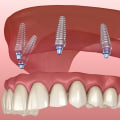
- Implants: Dental implants are a popular solution for replacing missing teeth, but they can be quite expensive. Most HMO plans do not cover implants, which can lead to unexpected out-of-pocket expenses for those who require this type of treatment.
- Cosmetic Dentistry:Cosmetic Dentistry: Procedures aimed at improving the appearance of teeth, such as whitening, veneers, or bonding, are typically not covered by HMO plans. Patients seeking these enhancements will need to pay entirely out-of-pocket.
This can be particularly frustrating for individuals who require immediate care.In conclusion, while HMO dental insurance can provide excellent coverage for routine and preventive care, it is essential to be aware of the significant gaps in coverage for major procedures and specialties. By understanding these limitations upfront, you can make a more informed decision about your dental insurance needs and avoid unexpected costs down the line.
<strong>Customer Service and Support</strong>
When considering HMO dental insurance, one of the critical factors that can significantly impact your overall experience is the customer service and support provided by the insurance company. The quality of customer service can vary widely among different HMOs, and understanding what to expect can help you make a more informed decision.Importance of Customer Service
Good customer service is essential for navigating the complexities of dental insurance. Whether you have questions about your coverage, need assistance with claims, or require pre-authorization for a procedure, responsive and knowledgeable customer support can make a significant difference.
Here are some key aspects to consider:
- Accessibility: How easy is it to reach customer service? Look for HMOs that offer multiple channels for support, such as phone, email, and live chat. A responsive customer service team can help resolve issues quickly and efficiently.
- Knowledgeability: The representatives should be well-trained and knowledgeable about the specific details of your plan. They should be able to answer questions regarding coverage limits, in-network providers, and claims processes without ambiguity.
- Response Time: Consider how quickly the customer service team responds to inquiries. Long wait times can be frustrating, especially when you need immediate assistance regarding dental care.
Support During Claims Process
The claims process can often be a source of confusion for many policyholders.
A good HMO will provide clear guidance on how to submit claims and what documentation is required. Additionally, they should offer timely updates on the status of your claim. If there are any issues or denials, effective customer support can help you understand the reasons behind them and guide you through the appeals process if necessary.
Pre-Authorization Requirements
Many HMO plans require pre-authorization for certain procedures. This means that before undergoing treatment, you must obtain approval from your insurance provider.
Understanding this process is crucial, as failing to secure pre-authorization could result in unexpected out-of-pocket expenses. A responsive customer service team can assist you in navigating these requirements smoothly.
Member Resources
In addition to direct support, many HMOs offer online resources that can enhance your experience. These may include:
- Member Portals: Access to an online portal where you can view your benefits, check claims status, and find in-network providers.
- Educational Materials: Resources that explain coverage options, preventive care tips, and information about common dental procedures.
- FAQs: A comprehensive FAQ section that addresses common concerns and questions about your plan.
This proactive approach will help ensure that you choose a plan that not only meets your financial needs but also provides the support necessary for effective dental care management.