Dental insurance is a vital component of managing your oral health and financial well-being. It serves as a safety net, helping to offset the costs associated with various dental procedures, from routine check-ups to more complex treatments like dental crowns. Understanding Dental insurance is a vital component of managing your oral health and financial well-being. It serves as a safety net, helping to offset the costs associated with various dental procedures, from routine check-ups to more complex treatments like dental crowns. Understanding dental insurance is essential for anyone looking to maintain their dental health without incurring overwhelming expenses. With the rising costs of dental care, having a solid insurance plan can make a significant difference in your ability to access necessary treatments.At its core, dental insurance operates similarly to health insurance.
You pay a monthly premium in exchange for coverage that helps reduce your out-of-pocket expenses for dental services. However, it’s important to note that most dental plans come with specific terms, including You pay a monthly premium in exchange for coverage that helps reduce your out-of-pocket expenses for dental services. However, it’s important to note that most dental plans come with specific terms, including deductibles —the amount you must pay before your insurance kicks in—and annual coverage limits, which cap the total amount your plan will pay for services within a year. These factors can significantly influence your overall costs and should be carefully considered when selecting a plan.There are several types of dental insurance available, each designed to meet different needs and budgets. Traditional fee-for-service plans allow you to choose any dentist and typically cover a percentage of the costs for various services.
Managed care plans, such as Health Maintenance Organizations (HMOs), require you to use a network of dentists but often come with lower premiums. Additionally, there are dental savings plans and discount plans that offer reduced rates on services rather than traditional insurance coverage. Understanding these options will empower you to make informed decisions about your dental care and ensure that you have the right coverage in place.
The Importance of Dental Crowns
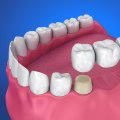
Dental crowns
are a vital component of restorative dentistry, designed to cover and protect damaged or weakened teeth. They are custom-made caps that fit over the entire tooth, restoring its shape, size, strength, and appearance.
Crowns can be made from various materials, including porcelain, metal, or a combination of both, allowing for aesthetic and functional versatility.Understanding why dental crowns are needed is essential for anyone considering dental restoration. There are several scenarios in which a dental crown may be recommended:
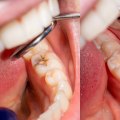
- Severe Decay: When a tooth has extensive decay that cannot be repaired with a filling, a crown can provide the necessary support.
- Fractured Teeth: Teeth that have been cracked or broken due to trauma or grinding can benefit from the protective coverage of a crown.
- Root Canal Treatment: After a root canal procedure, a tooth often requires a crown to restore its strength and function.
- Cosmetic Enhancement: Crowns can also be used to improve the appearance of discolored or misshapen teeth.
- Protection: Crowns shield damaged teeth from further harm and help prevent additional decay or fractures.
- Restoration of Function: They restore the ability to chew and speak properly, enhancing overall oral function.
- Aesthetic Improvement: Crowns can significantly enhance the appearance of your smile by providing a natural look that blends seamlessly with your existing teeth.
- Longevity: With proper care, dental crowns can last many years, making them a durable solution for tooth restoration.
Understanding the importance of crowns underscores the necessity for adequate dental insurance, ensuring that individuals can access these critical restorative services without financial strain.
Types of Dental Insurance Plans
When it comes to dental care, understanding the different types of dental insurance plans available is crucial for making informed decisions about your oral health. Each type of plan offers unique features and benefits, catering to various needs and budgets. Below, we will explore the three primary types of dental insurance plans: traditional insurance plans, dental savings plans, and discount dental plans.Traditional Insurance Plans
Traditional dental insurance plans are the most common type of coverage. These plans typically require a monthly premium and often include a deductible that must be met before coverage kicks in.Here are some key features:
- Comprehensive Coverage: Traditional plans usually cover a wide range of services, including preventive care (like cleanings and check-ups), major services (such as fillings and crowns), and sometimes even orthodontics.
- Cost Sharing: Most traditional plans involve cost-sharing, where the insurance covers a percentage of the treatment costs (often 50-80%) after the deductible is met.
- Annual Limits: These plans often have an annual maximum limit on coverage, meaning once you reach that limit, you will be responsible for any additional costs.
Dental Savings Plans
Dental savings plans are an alternative to traditional insurance that can be more affordable for some individuals. Instead of paying monthly premiums, members pay an annual fee to access discounted rates on dental services. Key aspects include:- No Waiting Periods: Unlike traditional insurance, dental savings plans typically do not have waiting periods for major services, allowing you to access care immediately.
- Discounted Rates: Members receive significant discounts (often 10-60%) on various dental procedures from participating dentists.
- No Annual Limits: There are generally no caps on how much you can save or use in a year, making it a flexible option for those needing extensive work.
Discount Dental Plans
Discount dental plans are similar to dental savings plans but often operate on a slightly different model. Here’s what you need to know:- Membership-Based: Members pay a one-time fee or an annual fee to join the plan and gain access to discounted rates at participating dentists.
- No Insurance Claims: These plans do not involve insurance claims; instead, members pay directly for services at reduced rates.
- Limited Coverage: While they can save money on routine care and some major services, discount plans typically do not cover preventive care costs upfront.
Traditional insurance offers comprehensive coverage but may come with higher costs and limits. In contrast, dental savings and discount plans provide more flexibility and immediate access to discounted services without the complexities of traditional insurance. Evaluating these options carefully can help ensure you receive the best possible care for your dental crowns and overall oral health.
Coverage for Dental Crowns: What to Expect
When it comes to dental crowns, understanding the coverage provided by your insurance plan is essential for managing costs effectively. Dental crowns are often necessary for restoring damaged teeth, and their expenses can vary significantly based on the type of crown and the specific insurance plan you have.Typical Costs of Dental Crowns
The cost of dental crowns can range widely, typically falling between $800 and $3,000 per crown, depending on various factors such as:
- The material used (porcelain, metal, or a combination)
- The complexity of the procedure
- Your geographical location
- The dentist's experience and reputation
However, having dental insurance can significantly reduce your out-of-pocket expenses.
Insurance Coverage for Dental Crowns
Most dental insurance plans categorize crowns as a major restorative service. This means that they typically cover a percentage of the cost after you meet your deductible. Here’s what you can generally expect:
- Coverage Percentage: Many plans cover between 50% and 80% of the cost of dental crowns. This means if your crown costs $1,000 and your plan covers 70%, you would pay $300 out of pocket.
- Annual Maximums: Most plans have an annual maximum limit on how much they will pay for dental services in a year, often ranging from $1,000 to $2,500.
Once you reach this limit, you will be responsible for any additional costs.
- Waiting Periods: Some plans may impose waiting periods before coverage for major services like crowns kicks in. This can range from a few months to a year.
What to Check with Your Insurance Provider
Before proceeding with treatment, it’s crucial to verify the specifics of your coverage. Here are some questions to ask your insurance provider:
- What percentage of the crown cost is covered?
- Is there a waiting period for major services?
- What is the annual maximum coverage limit?
- Are there any exclusions or limitations on specific types of crowns?
Choosing the Right Dental Insurance Plan for Crowns
Choosing the right dental insurance plan for crowns is a critical decision that can significantly impact your oral health and financial well-being. With various options available, it’s essential to evaluate your specific needs and circumstances before making a choice.Here are some key factors to consider:
- Assess Your Dental Needs: Begin by evaluating your current oral health status. If you have existing dental issues or anticipate needing crowns in the near future, look for plans that offer comprehensive coverage for major services.
- Understand Coverage Options: Not all dental insurance plans provide the same level of coverage for crowns. Some may cover a percentage of the costs, while others might have waiting periods before coverage begins. Review the details of each plan to ensure it meets your needs.
- Consider Your Budget: Determine how much you can afford to spend on monthly premiums and out-of-pocket expenses.
Traditional insurance plans often have higher premiums but may offer better coverage for major services like crowns. In contrast, dental savings plans may have lower costs but require you to pay upfront for services.
- Frequency of Dental Visits: If you visit the dentist regularly for check-ups and preventive care, a plan that covers these services at little to no cost can be beneficial. Conversely, if you only seek dental care occasionally, a plan with lower premiums might suffice.
- Check Provider Networks: Ensure that your preferred dentist or specialist is in-network with the insurance plan you are considering. Out-of-network providers can lead to higher costs, so it’s wise to confirm this before enrolling.
- Read Reviews and Ratings: Research customer experiences with different insurance providers.
Look for reviews that discuss claims processing, customer service, and overall satisfaction with coverage. This information can provide valuable insights into which plans are reliable.
Frequently Asked Questions about Dental Insurance and Crowns
When it comes to dental insurance and crowns, many individuals have questions that can impact their decision-making process. Below are some of the most frequently asked questions regarding dental insurance and crowns, along with clear and concise answers to help you navigate your options.What is a dental crown?
A dental crown is a cap placed over a tooth to restore its shape, size, strength, and appearance.Crowns are often used for teeth that are damaged, decayed, or have undergone root canal treatment. They can be made from various materials, including porcelain, metal, or a combination of both.
Does dental insurance cover crowns?
Most dental insurance plans do provide coverage for crowns, but the extent of that coverage can vary significantly. Typically, insurance will cover a percentage of the cost (often between 50% to 80%) after you meet your deductible. It's essential to review your specific plan details to understand what is covered and any limitations that may apply.Are there waiting periods for crown coverage?
Yes, many dental insurance plans impose waiting periods before coverage for major services like crowns begins.This period can range from six months to a year, depending on the plan. If you anticipate needing a crown soon, it’s wise to check the waiting period associated with your plan.
What factors affect the cost of dental crowns?
- Material: The type of material used for the crown can significantly influence the cost. Porcelain crowns tend to be more expensive than metal ones.
- Location: Dental costs can vary based on geographic location and the dentist's experience.
- Insurance Coverage: The amount covered by your insurance will also affect your out-of-pocket expenses.
Can I get a crown without insurance?
Yes, you can receive a dental crown without insurance; however, you will be responsible for the full cost. Many dentists offer payment plans or financing options to help manage these expenses.Additionally, consider looking into dental savings plans, which can provide discounts on procedures like crowns.
What should I do if my insurance denies coverage for a crown?
If your claim for a crown is denied, first review the explanation provided by your insurance company. You may need to appeal the decision by providing additional documentation or evidence supporting the necessity of the procedure. It’s also beneficial to communicate with your dentist’s office; they often have experience dealing with insurance claims and can assist you in navigating the appeals process.Understanding these common questions about dental insurance and crowns can empower you to make informed decisions regarding your oral health care. Always consult with your dental provider and insurance company for personalized advice tailored to your specific situation.Conclusion: Securing Your Dental Health with Affordable Insurance
In conclusion, securing affordable dental insurance is a vital step towards maintaining your oral health and ensuring that you have access to necessary treatments, such as dental crowns.Throughout this guide, we have explored the various aspects of dental insurance, emphasizing its importance in covering both preventive and major dental services.Having the right insurance plan can significantly reduce the financial burden associated with dental procedures. Dental crowns, while essential for restoring damaged teeth and improving overall oral function, can be quite costly without proper coverage. By investing in a suitable dental insurance plan, you not only protect your smile but also safeguard your wallet from unexpected expenses.We discussed different types of dental plans, including traditional insurance plans, dental savings plans, and discount plans. Each option has its unique benefits and limitations, making it crucial to assess your individual needs and budget before making a decision.
Understanding the specifics of what each plan covers—especially regarding major services like crowns—can help you make an informed choice that aligns with your oral health goals.Moreover, we highlighted the significance of preventive care in avoiding more extensive treatments down the line. Regular check-ups and cleanings are often fully covered by many insurance plans, allowing you to maintain optimal oral health without incurring high costs. This proactive approach not only helps in early detection of potential issues but also contributes to long-term savings.As you navigate the landscape of dental insurance options, remember to consider factors such as in-network providers, premiums, deductibles, and customer reviews. By doing so, you can find a plan that not only fits your financial situation but also provides comprehensive coverage for your dental needs.Ultimately, investing in affordable dental insurance is an investment in your health.
It empowers you to seek necessary treatments without hesitation and ensures that your smile remains bright and healthy for years to come. Take the time to research and compare plans today—your future self will thank you!.