A dental crowndental crown is a custom-made cap that is placed over a damaged or weakened tooth to restore its shape, size, strength, and appearance. This dental restoration is essential for protecting the tooth from further damage and can significantly enhance your smile. Crowns are often recommended when a tooth has been severely decayed, cracked, or has undergone root canal treatment. Understanding the purpose and types of dental crowns can help you make informed decisions about your oral health.There are several types of dental crowns available, each designed to meet specific needs and preferences.
The most common materials used for crowns include:
- Porcelain: Known for its natural appearance, porcelain crowns are ideal for front teeth as they blend seamlessly with the surrounding teeth.
- Ceramic: Similar to porcelain, ceramic crowns offer excellent aesthetics and are durable enough for everyday use.
- Metal: Made from alloys like gold or platinum, metal crowns are incredibly strong and resistant to wear, making them suitable for back teeth where chewing forces are greater.
- Resin: These crowns are less expensive but may wear down faster than other materials. They are often used as temporary solutions.
- Severe Tooth Decay: When a cavity is too large for a filling, a crown can provide the necessary support.
- Cracked or Fractured Teeth: A crown can stabilize a tooth that has been damaged due to trauma or excessive grinding.
- Root Canal Treatment: After a root canal, a crown is often placed to protect the tooth and restore its function.
- Aesthetic Improvement: Crowns can also be used to enhance the appearance of discolored or misshapen teeth.
The Process of Getting a Dental Crown
Understanding the process of getting a dental crown can significantly reduce any anxiety you may have about the procedure. Here’s a detailed breakdown of what to expect from your initial consultation to the final placement of your crown.1.Initial Consultation
- Your journey begins with an appointment at your dentist's office.
During this visit, your dentist will conduct a thorough examination of your teeth and gums.
- X-rays may be taken to assess the condition of the tooth that requires a crown and to check for any underlying issues.
- After evaluating your oral health, your dentist will discuss whether a dental crown is necessary and explain the reasons behind this recommendation.
2.Tooth Preparation
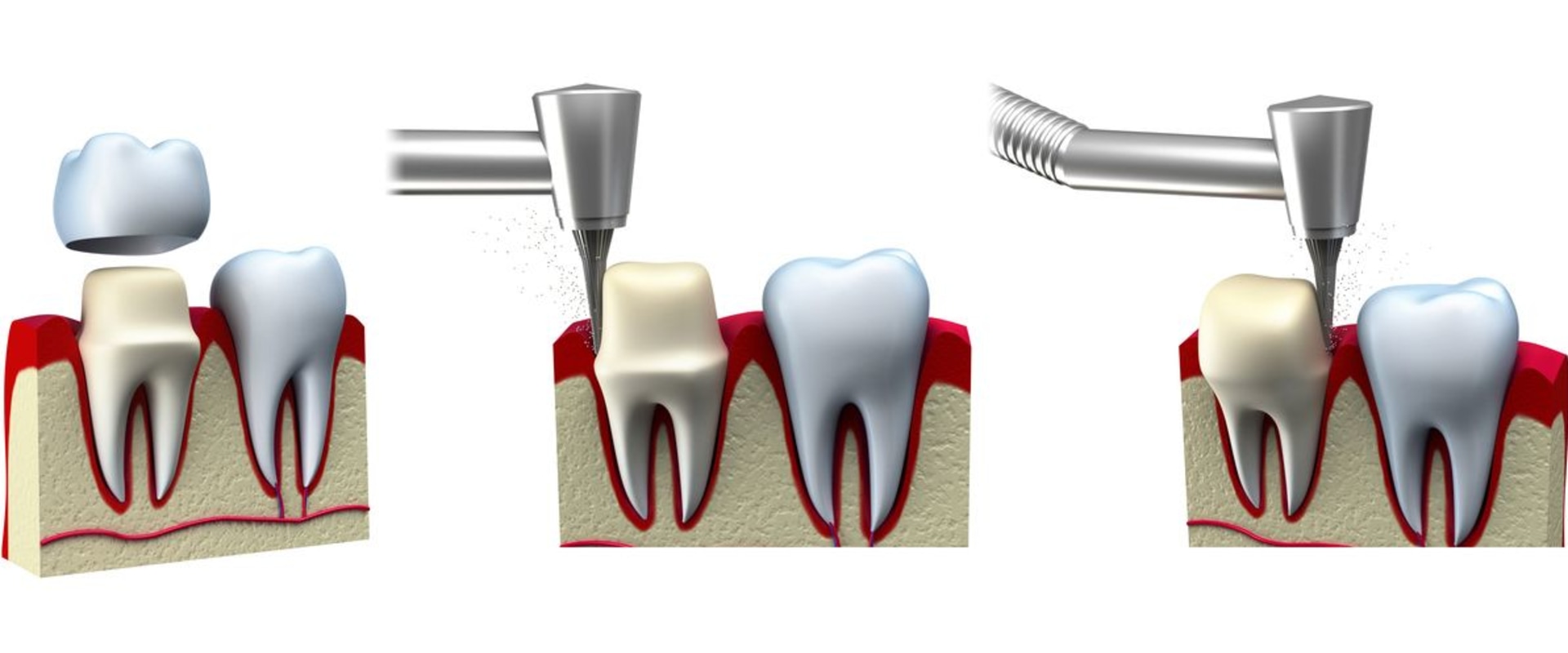
- If you and your dentist decide to proceed, the next step involves preparing the affected tooth. This may include removing any decay or damage to ensure a solid foundation for the crown.
- Your dentist will shape the tooth to accommodate the crown, which may involve filing down its surface.
- Once the tooth is prepared, an impression will be taken. This impression is crucial as it will be used to create a custom crown that fits perfectly over your tooth.
3.Temporary Crown Placement
- While waiting for your permanent crown to be fabricated, your dentist will place a temporary crown over the prepared tooth. This temporary solution protects the tooth and maintains its function until the final crown is ready.
- It’s important to follow any care instructions provided by your dentist regarding the temporary crown to avoid dislodging it.
4.Final Crown Placement
- Once your permanent crown is ready, you’ll return to the dentist’s office for placement.
Your dentist will remove the temporary crown and clean the underlying tooth.
- The permanent crown will be carefully placed over the tooth, and adjustments may be made to ensure a comfortable fit and proper bite alignment.
- Your dentist will then secure the crown in place using dental cement, ensuring it is firmly attached.
5.Post-Procedure Care
- After placement, you may experience some sensitivity or discomfort, which is normal. Your dentist will provide guidelines on how to care for your new crown and what to expect during recovery.
- Regular follow-up appointments may be scheduled to monitor the condition of your crown and overall oral health.
Consultation with Your Dentist
Before undergoing the process of getting a dental crown, it is essential to schedule a consultation with your dentist. This initial visit serves as a critical step in determining whether a crown is the right solution for your dental needs. During this consultation, your dentist will perform a thorough evaluation of your oral health and discuss the various options available to you.Evaluation Process
- Dental Examination: Your dentist will conduct a comprehensive examination of your teeth and gums.
This may include visual inspections and the use of diagnostic tools such as X-rays to assess the condition of the affected tooth.
- Assessment of Tooth Damage: The dentist will evaluate the extent of damage or decay in the tooth that may necessitate a crown. They will consider factors such as the tooth's structural integrity and whether it can be saved or if extraction is necessary.
- Discussion of Treatment Options: Based on their findings, your dentist will explain the different types of crowns available, including materials like porcelain, metal, or resin. They will help you understand which option may be best suited for your specific situation.
Questions to Ask Your Dentist
Preparing for Your Dental Crown
Preparing for a dental crown involves several important steps that ensure the crown fits properly and functions effectively.This preparation process is crucial for achieving a successful outcome and maintaining your oral health.
Tooth Preparation for a Crown
The first step in preparing your tooth for a crown is the actual shaping of the tooth. Your dentist will begin by administering a local anesthetic to numb the area around the affected tooth. This ensures that you remain comfortable throughout the procedure. Once the area is numb, your dentist will carefully remove any decay or damage from the tooth.This process may involve drilling to create a stable base for the crown.After the tooth has been shaped, it will be reduced in size to accommodate the thickness of the crown. The goal is to create a structure that allows the crown to fit snugly over the tooth while maintaining proper alignment with your bite. Your dentist will take great care to ensure that enough tooth structure remains to support the crown effectively.
Taking Dental Impressions
Once your tooth is prepared, the next step involves taking dental impressions. This is a critical part of the process, as accurate impressions are necessary for creating a custom crown that fits perfectly.Your dentist may use either traditional impression materials or digital scanning technology to capture the shape of your prepared tooth and surrounding teeth.
- Traditional Impressions: If traditional materials are used, a soft, pliable material will be placed over your teeth to create a mold. This material hardens quickly, allowing your dentist to obtain an accurate representation of your mouth.
- Digital Impressions: Many modern dental practices now utilize digital scanners, which provide a more comfortable experience. These scanners capture detailed images of your teeth and gums, creating a 3D model that can be used to design your crown.
The Role of Temporary Crowns
While waiting for your permanent crown to be made, your dentist will place a temporary crown over your prepared tooth. Temporary crowns serve several important purposes:- Protection: They protect the exposed tooth from sensitivity and potential damage while you wait for your permanent crown.
- Aesthetic Function: Temporary crowns help maintain the appearance of your smile during this interim period.
- Bite Alignment: They ensure that your bite remains functional and comfortable until the permanent crown is ready.
Once your permanent crown is ready, you will return to have it placed, completing the process.
Types of Dental Crowns and Their Benefits
When it comes to dental crowns, there are several types available, each with its own unique benefits. Understanding these options can help you make an informed decision that aligns with your dental needs and aesthetic preferences.1.Porcelain Crowns
Porcelain crowns are a popular choice due to their natural appearance. They are designed to mimic the look of natural teeth, making them an excellent option for front teeth restorations. The benefits of porcelain crowns include:- Aesthetic Appeal: Porcelain crowns can be color-matched to blend seamlessly with your existing teeth.
- Biocompatibility: They are less likely to cause allergic reactions and are safe for most patients.
- Stain Resistance: Porcelain is resistant to staining, helping maintain a bright smile over time.
2.Metal Crowns
Metal crowns, often made from gold or other alloys, are known for their strength and durability.They are typically used for molars or teeth that endure significant chewing pressure. The advantages of metal crowns include:
- Durability: Metal crowns can withstand heavy biting forces and are less likely to chip or break.
- Longevity: With proper care, metal crowns can last many years, making them a cost-effective option in the long run.
- Less Tooth Removal: The preparation for metal crowns often requires less removal of the natural tooth structure compared to other types.
3.Resin Crowns
Resin crowns are made from composite materials and are often used as a temporary solution or for patients looking for a more affordable option. Their benefits include:- Cost-Effective: Resin crowns are generally less expensive than porcelain or metal options.
- Easier Adjustments: They can be easily shaped and adjusted during the placement process.
4.Porcelain-Fused-to-Metal Crowns
This type combines the strength of metal with the aesthetic appeal of porcelain. The benefits include:- Strength and Beauty: These crowns offer a balance between durability and a natural look.
- Versatility: Suitable for both front and back teeth, making them a versatile choice for various dental needs.
Consulting with your dentist can help you determine which crown type is best suited for your individual situation.
Dental Insurance Coverage for Crowns
Understanding dental insurance coverage for crowns is essential for managing your dental expenses effectively. Dental crowns, which are often necessary for restoring damaged teeth, can be a significant financial investment. Therefore, knowing how your insurance plan works can help you navigate the costs associated with this procedure.Most dental insurance plans categorize services into three main types: preventive, basic, and major services. Crowns typically fall under the category of major services.Here’s a breakdown of what you can expect:
- Preventive Services: These include routine check-ups and cleanings, which are usually covered at 100% by most plans.
- Basic Services: This category may cover fillings and extractions, often with a co-pay or coinsurance.
- Major Services: Crowns, bridges, and dentures are included here. Coverage for these services can vary significantly between plans.
- Type of Plan: Preferred Provider Organizations (PPOs) often provide better coverage for major services compared to Health Maintenance Organizations (HMOs).
- Waiting Periods: Some plans impose waiting periods before they will cover major services like crowns. This means you may need to wait several months after enrolling before you can receive coverage.
- Annual Maximums: Most dental insurance plans have an annual maximum limit on how much they will pay for dental care in a given year.
If your dental needs exceed this limit, you will be responsible for the additional costs.
- Review Your Policy: Carefully read through your dental insurance policy to understand what is covered and any limitations that may apply.
- Consult Your Dentist: Discuss your treatment plan with your dentist and ask them to provide a pre-treatment estimate to submit to your insurance company.
- Contact Your Insurance Provider: Reach out to your insurance representative for clarification on coverage specifics and any potential out-of-pocket costs.
Out-of-Pocket Costs and Financing Options
When considering a dental crown, understanding the out-of-pocket costs is crucial, especially if you do not have dental insurance. The price of a dental crown can vary significantly based on several factors, including the type of crown, the complexity of the procedure, and your geographical location.On average, the cost of a dental crown without insurance can range from $800 to $3,000. Here’s a breakdown of what influences these costs:- Type of Crown: Different materials are used for crowns, such as porcelain, metal, or resin.
Porcelain crowns tend to be more expensive due to their aesthetic appeal and durability.
- Location: Dental fees can vary widely depending on where you live. Urban areas often have higher costs compared to rural regions.
- Complexity of the Case: If additional procedures are needed before placing the crown, such as root canals or extractions, this will increase the overall cost.
Payment Plans
Many dental practices offer payment plans that allow you to spread the cost of your treatment over several months. This can make it easier to budget for your dental care without incurring high-interest debt. Be sure to ask your dentist about any available payment plans and their terms.Dental Financing Programs
There are specialized financing programs designed specifically for dental procedures.Companies like CareCredit and LendingClub provide options that allow you to pay for your dental work over time with low or no interest rates if paid within a promotional period. These programs often have flexible repayment terms that can fit various budgets.
Health Savings Accounts (HSAs)
If you have a Health Savings Account (HSA), you can use these pre-tax dollars to pay for dental crowns and other eligible medical expenses. This can effectively reduce your overall costs by allowing you to use tax-free money.In conclusion, while the cost of getting a dental crown without insurance can be significant, exploring various financing options can help alleviate some of the financial burden. Always discuss with your dentist about potential payment plans and financing solutions that may be available to you.Post-Procedure Care and Maintenance of Dental Crowns
After receiving a dental crown, proper care and maintenance are crucial to ensure its longevity and functionality.Here are some essential tips to help you take care of your new crown:
1.Maintain Good Oral Hygiene
Just like your natural teeth, dental crowns require regular cleaning to prevent plaque buildup and decay. Follow these oral hygiene practices:- Brush Twice Daily: Use a soft-bristled toothbrush and fluoride toothpaste to brush your teeth at least twice a day. Pay special attention to the area around the crown to keep it clean.
- Floss Daily: Flossing is essential for removing food particles and plaque from between your teeth and around the crown. Consider using a floss threader or interdental brushes if you find traditional floss challenging.
- Use Mouthwash: An antibacterial mouthwash can help reduce plaque and keep your mouth fresh.
Look for a mouthwash that is alcohol-free to avoid drying out your mouth.
2.Be Mindful of What You Eat
Your diet can significantly impact the lifespan of your dental crown. Here are some dietary tips:- Avoid Hard Foods: Steer clear of hard candies, ice, and other tough foods that could potentially damage your crown.
- Limit Staining Foods: Foods and beverages like coffee, tea, red wine, and berries can stain crowns over time. If you consume these, rinse your mouth with water afterward.
- Cut Food into Smaller Pieces: This can help reduce the pressure on your crown while chewing.
3.Regular Dental Check-ups
Schedule regular visits with your dentist for check-ups and cleanings. During these appointments, your dentist will examine the condition of your crown and surrounding teeth, ensuring everything is in good health.4.Address Any Issues Promptly
If you experience any discomfort, sensitivity, or notice any changes in your crown, contact your dentist immediately.Early intervention can prevent more significant issues down the line.
5.Consider Protective Measures
If you grind your teeth at night (a condition known as bruxism), talk to your dentist about getting a nightguard. This device can protect both your natural teeth and crowns from excessive wear.By following these aftercare tips, you can help ensure that your dental crown remains in excellent condition for many years to come. Remember that maintaining good oral hygiene and being proactive about any concerns will contribute significantly to the longevity of your dental restoration.Common Questions About Dental Crowns
When considering dental crowns, many patients have questions and concerns that can lead to confusion. Addressing these common inquiries can help demystify the process and alleviate any fears associated with getting a crown.What is a dental crown made of?
Dental crowns can be constructed from various materials, each offering unique benefits.The most common materials include:
- Porcelain: Known for its natural appearance, porcelain crowns are often used for front teeth due to their aesthetic appeal.
- Ceramic: Similar to porcelain, ceramic crowns provide a good match for natural teeth and are durable.
- Metal: Gold or other metal crowns are extremely strong and resistant to wear, making them ideal for back teeth where chewing pressure is greatest.
- Resin: These crowns are less expensive but may wear down faster than other materials.
How long do dental crowns last?
The lifespan of a dental crown can vary based on several factors, including the material used, the location of the crown, and your oral hygiene practices. On average, crowns can last between 5 to 15 years. Proper care, such as regular brushing, flossing, and routine dental check-ups, can significantly extend their longevity.Are dental crowns painful?
Many patients worry about pain during the crown procedure. However, dentists typically use local anesthesia to numb the area around the tooth being treated.While some discomfort may occur after the anesthesia wears off, it is usually manageable with over-the-counter pain relievers. If you experience significant pain or discomfort after the procedure, it’s essential to contact your dentist.
Can I get a crown if I have dental insurance?
If you have dental insurance, it may cover a portion of the cost associated with getting a crown. Coverage varies by plan; some may cover up to 50% of major services like crowns. It’s advisable to review your policy details or consult with your insurance provider to understand your specific coverage options.Are there any myths about dental crowns?
Several misconceptions exist regarding dental crowns that can lead to unnecessary anxiety:- Myth: Crowns are only for cosmetic purposes.
Fact: While they do improve appearance, crowns also serve crucial functional roles in protecting damaged teeth. - Myth: Getting a crown means losing the tooth.
Fact: A crown is designed to preserve and protect the existing tooth structure. - Myth: Crowns require extensive recovery time.
Fact: Most patients return to normal activities shortly after the procedure.
Conclusion: Making Informed Decisions About Dental Crowns
In conclusion, understanding the process of getting a dental crown is essential for anyone considering this important dental procedure.Throughout this article, we have explored the various steps involved, from the initial consultation with your dentist to the final placement of the crown. Each step is crucial in ensuring that the crown fits well and serves its purpose effectively.Equally important is the role of dental insurance in managing the costs associated with dental crowns. Many individuals may not realize that their insurance plans can significantly offset the expenses related to major dental services. By reviewing your policy and discussing it with your dentist, you can gain clarity on what is covered and what your potential out-of-pocket costs might be.Here are some key takeaways to consider: in managing the costs associated with dental crowns. Many individuals may not realize that their insurance plans can significantly offset the expenses related to major dental services. By reviewing your policy and discussing it with your dentist, you can gain clarity on what is covered and what your potential out-of-pocket costs might be.Here are some key takeaways to consider:
- Consultation is Key: Always start with a thorough consultation with your dentist to assess your specific needs and determine if a crown is necessary.
- Understand Your Insurance: Take the time to read through your dental insurance policy.
Knowing whether you have partial or full coverage for crowns can help you plan financially.
- Explore Options: If your insurance does not cover the full cost, consider alternative options such as payment plans or discount dental programs that can make treatment more affordable.
- Preventive Care Matters: Regular check-ups and preventive care can help avoid the need for crowns in the first place, saving you time and money in the long run.