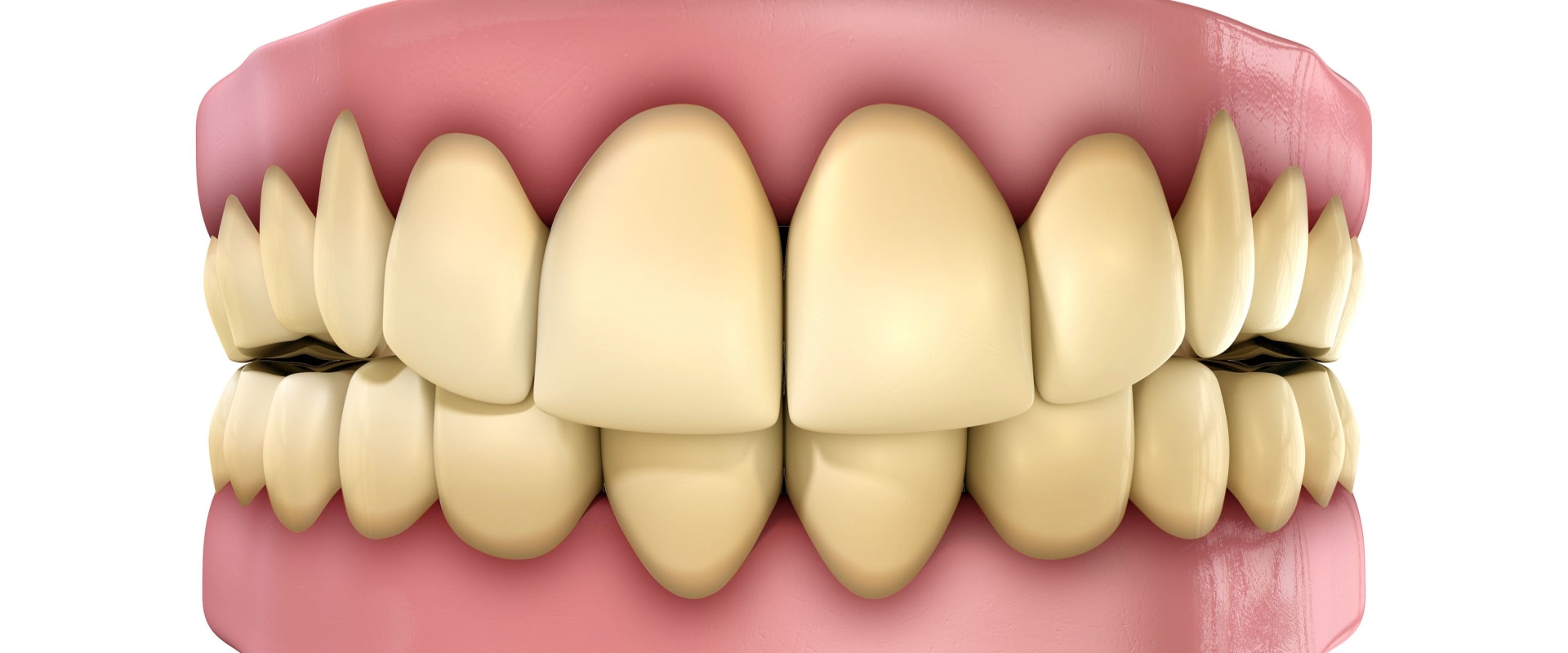
Tooth discoloration is a widespread concern that affects individuals of all ages and backgrounds. It can manifest in various forms, from subtle yellowing to more pronounced brown or gray stains. The impact of discolored teeth extends beyond mere aesthetics; it can significantly influence self-esteem and social interactions. Many people find themselves hesitant to smile or engage in conversations due to the appearance of their teeth, which can lead to feelings of embarrassment and insecurity.Understanding the causes of tooth discoloration is crucial for anyone looking to improve their smile.
Discoloration can arise from a multitude of factors, including dietary choices, lifestyle habits, and even certain medical conditions. For instance, beverages like coffee, tea, and red wine are notorious for staining teeth, while habits such as smoking can exacerbate the problem. Additionally, some individuals may experience discoloration due to genetic predispositions or the effects of aging on tooth enamel.As we explore the various causes of tooth discoloration, it becomes evident that addressing this issue often requires a multifaceted approach. This is where dental insurancedental insurance comes into play.
Many people are unaware that their dental insurance plans may cover treatments aimed at restoring the natural color of their teeth. From professional whitening procedures to restorative options like veneers, having adequate coverage can alleviate the financial burden associated with these treatments.In this article, we will delve deeper into the different causes of tooth discoloration and discuss how understanding these factors can empower individuals to take proactive steps toward achieving a brighter smile. Furthermore, we will highlight how dental insurance can serve as a valuable resource in accessing effective treatments, making it easier for individuals to regain their confidence and enjoy a radiant smile once again.
What is Tooth Discoloration?
Tooth discoloration refers to the change in color of the teeth, which can range from subtle yellowing to more pronounced brown or gray hues. This condition can affect not only the aesthetic appeal of a person’s smile but also their self-esteem and confidence.Understanding the nature of tooth discoloration is essential for identifying effective treatment options.Tooth discoloration can be categorized into two primary types: intrinsic and extrinsic discoloration.
Intrinsic Discoloration
Intrinsic discoloration occurs within the tooth structure itself, affecting the dentin and enamel layers. This type of discoloration is often more challenging to treat and can be caused by several factors:- Genetics: Some individuals may inherit a predisposition to tooth discoloration due to genetic factors that affect enamel thickness and color.
- Medications: Certain medications, particularly tetracycline antibiotics, can lead to intrinsic staining if taken during childhood when teeth are still developing.
- Dental Trauma: Injuries to the teeth can cause internal bleeding or damage, leading to discoloration over time.
- Fluorosis: Excessive fluoride exposure during childhood can result in white spots or brown stains on the teeth.
Extrinsic Discoloration
Extrinsic discoloration, on the other hand, occurs on the surface of the teeth and is typically easier to treat. This type of staining is often caused by external factors:- Dietary Choices: Consuming foods and beverages such as coffee, tea, red wine, and dark berries can lead to surface stains over time.
- Tobacco Use: Smoking or chewing tobacco can leave stubborn stains on teeth due to the tar and nicotine content.
- Poor Oral Hygiene: Inadequate brushing and flossing can lead to plaque buildup, which can cause yellowing of the teeth.
By understanding these types of discoloration, individuals can take informed steps toward achieving a brighter smile.
Common Causes of Tooth Discoloration
Tooth discoloration is a multifaceted issue that can stem from various sources. Understanding these causes is essential for anyone looking to maintain a bright and healthy smile. Below are some of the most common factors that contribute to tooth discoloration:- Poor Oral Hygiene: One of the primary culprits behind tooth discoloration is inadequate oral hygiene. When individuals neglect regular brushing and flossing, plaque and tartar accumulate on the teeth.
This buildup not only leads to cavities but also causes teeth to appear yellow or brown over time. Establishing a consistent oral care routine, including biannual dental checkups, can significantly mitigate this issue.
- Dietary Choices: The foods and beverages we consume play a crucial role in the color of our teeth. Items such as coffee, tea, red wine, and dark-colored fruits like blueberries and blackberries contain pigments that can stain enamel. Additionally, acidic foods can erode enamel, making teeth more susceptible to discoloration.
To minimize staining, consider rinsing your mouth with water after consuming these items or using a straw when drinking.
- Smoking: Tobacco use is notorious for causing severe tooth discoloration. The nicotine and tar found in cigarettes can leave stubborn brown stains on teeth, leading to an overall dull appearance. Quitting smoking not only benefits your health but also enhances your smile's brightness.
- Medications: Certain medications can lead to tooth discoloration as a side effect. For instance, antibiotics like tetracycline can cause staining if taken during childhood when teeth are still developing.
Additionally, some antihistamines and blood pressure medications may also contribute to changes in tooth color. If you suspect your medication is affecting your smile, consult your healthcare provider for alternatives.
- Medical Conditions: Various health issues can impact the color of your teeth. Conditions such as enamel hypoplasia, which results in thin or defective enamel, can lead to discoloration. Other systemic diseases affecting the body’s ability to absorb minerals may also result in changes in tooth color.
Regular dental visits are essential for monitoring these conditions and addressing any related concerns.
The Impact of Diet on Tooth Color
Diet plays a significant role in the color of your teeth, as certain foods and beverages can lead to staining and discoloration over time. Understanding which items are most likely to affect your tooth color can help you make informed choices and maintain a brighter smile.Some of the most notorious culprits that contribute to tooth discoloration include:- Coffee: This popular beverage contains tannins, which can cause staining on the enamel of your teeth. The dark color of coffee can lead to yellowing over time, especially if consumed frequently.
- Tea: Similar to coffee, tea also contains tannins.
Black tea is particularly known for its staining potential, but even herbal teas can contribute to discoloration if they are dark in color.
- Red Wine: The deep pigments in red wine can easily adhere to tooth enamel, leading to noticeable stains. The acidity of wine can also weaken enamel, making it more susceptible to discoloration.
- Colas and Dark Sodas: These beverages often contain phosphoric acid and caramel coloring, both of which can stain teeth. Regular consumption can lead to a duller smile.
- Berries: While fruits like blueberries, blackberries, and pomegranates are healthy choices, their rich pigments can stain teeth if consumed in large quantities.
- Sauces: Dark sauces such as soy sauce, tomato sauce, and balsamic vinegar can also contribute to tooth discoloration due to their intense colors.
- Rinse with Water: After consuming staining foods or drinks, rinse your mouth with water to help wash away any pigments that may cling to your teeth.
- Use a Straw: When drinking beverages like coffee or soda, using a straw can help reduce contact with your teeth, thereby minimizing staining.
- Practice Good Oral Hygiene: Regular brushing and flossing are essential for removing plaque and preventing stains from setting in. Consider using a whitening toothpaste that helps combat discoloration.
- Limit Consumption: Moderation is key.
Try to limit the intake of highly pigmented foods and drinks or enjoy them less frequently.
The Role of Oral Hygiene in Preventing Discoloration
Maintaining good oral hygiene is crucial for preventing tooth discoloration and ensuring a bright, healthy smile. The way we care for our teeth on a daily basis can significantly impact their color and overall appearance. Here are some essential practices to incorporate into your routine:Brushing Techniques
Brushing your teeth is the foundation of effective oral hygiene. To maximize its benefits, consider the following tips:- Choose the Right Toothbrush: Use a soft-bristled toothbrush that can effectively clean your teeth without damaging the enamel.
- Use Fluoride Toothpaste: Opt for toothpaste that contains fluoride, which helps strengthen enamel and prevent decay.
- Brush Twice Daily: Brush your teeth at least twice a day for two minutes each time.
Make sure to cover all surfaces of your teeth, including the fronts, backs, and chewing surfaces.
- Angle Your Brush: Hold your toothbrush at a 45-degree angle to your gums and use gentle circular motions to remove plaque effectively.
The Importance of Flossing
While brushing is essential, it cannot reach every area of your mouth. Flossing plays a vital role in maintaining oral health by removing food particles and plaque from between your teeth.- Floss Daily: Make it a habit to floss at least once a day. This helps prevent gum disease and reduces the risk of discoloration caused by plaque buildup.
- Use Proper Technique: Gently slide the floss between your teeth, curving it around each tooth in a C-shape to effectively clean the sides.
Regular Dental Visits
No oral hygiene routine is complete without regular visits to your dentist. Professional cleanings are essential for maintaining tooth color and overall dental health.- Schedule Checkups: Aim for dental checkups every six months.
Your dentist can identify early signs of discoloration and provide treatments as needed.
- Professional Cleanings: During these visits, dental hygienists will remove tartar and plaque that regular brushing may miss, helping to keep your teeth looking their best.
Medical Conditions and Medications That Cause Discoloration
Tooth discoloration can often be attributed to lifestyle choices and dietary habits, but it is essential to recognize that certain medical conditions and medications can also play a significant role in altering the color of your teeth. Understanding these factors can help you take proactive steps in maintaining your dental health.Medical Conditions Affecting Tooth Color
Several medical conditions can lead to changes in tooth color, often due to their impact on the enamel or dentin, the two layers of the tooth. Here are some notable examples:- Enamel Hypoplasia: This condition results in the underdevelopment of enamel, leading to discolored teeth that may appear yellow or brown.
It can be caused by nutritional deficiencies during childhood, certain illnesses, or trauma.
- Dentinogenesis Imperfecta: A genetic disorder affecting the development of dentin, this condition can cause teeth to appear discolored, often with a gray or blue tint. Individuals with this condition may also experience brittle teeth.
- Fluorosis: Excessive fluoride exposure during childhood can lead to dental fluorosis, which manifests as white spots or streaks on the teeth. In severe cases, it can cause brown stains and surface irregularities.
- Celiac Disease: This autoimmune disorder affects nutrient absorption and can lead to enamel defects, resulting in discolored teeth.
Medications That Cause Tooth Stains
Certain medications are known to cause tooth discoloration as a side effect. Here are some common categories:- Tetracycline Antibiotics: When taken during childhood or pregnancy, tetracycline can lead to permanent discoloration of developing teeth, resulting in a grayish hue.
- Antihistamines: Some antihistamines may cause dry mouth, which reduces saliva production.
Saliva is crucial for neutralizing acids and washing away food particles; its absence can lead to increased staining.
- Chlorhexidine: Often used as a mouthwash for treating gum disease, chlorhexidine can cause brown stains on the teeth with prolonged use.
- Iron Supplements: While beneficial for those with iron deficiency, these supplements can lead to dark stains on the teeth if not properly managed.
Cosmetic Dentistry Options for Treating Discolored Teeth
When it comes to addressing tooth discoloration, cosmetic dentistrycosmetic dentistry offers a variety of effective solutions tailored to meet individual needs. These procedures not only enhance the aesthetic appeal of your smile but also boost your confidence. Below, we explore some of the most popular options available for treating discolored teeth.Teeth Whitening
One of the most sought-after treatments in cosmetic dentistry is teeth whitening.This procedure aims to lighten the color of your teeth and remove stains caused by various factors such as food, beverages, and smoking. There are two primary methods for teeth whitening:
- In-Office Whitening: This professional treatment is performed by a dentist and typically involves the application of a bleaching agent that is activated by a special light. The results are immediate, often resulting in several shades lighter teeth after just one session.
- At-Home Whitening Kits: These kits are provided by dentists and include custom-fitted trays and a professional-grade whitening gel. While they may take longer to achieve desired results compared to in-office treatments, they offer convenience and flexibility for patients.
Veneers
If you are looking for a more comprehensive solution for tooth discoloration, veneers may be the answer.Veneers are thin shells made from porcelain or composite resin that are custom-made to fit over the front surface of your teeth. They can effectively cover up discoloration, chips, and gaps, providing a uniform appearance. Here’s how they work:
- Consultation: Your dentist will assess your oral health and discuss your aesthetic goals to determine if veneers are suitable for you.
- Preparation: A small amount of enamel is removed from the front of your teeth to ensure a proper fit for the veneers.
- Placement: The custom veneers are bonded to your teeth using a strong adhesive, resulting in an instantly improved smile.
Achieving a brighter smile is within reach!
Understanding Dental Insurance Coverage for Cosmetic Procedures
When it comes to addressing tooth discoloration through cosmetic procedures, understanding dental insurance coverage is crucial. Many individuals are unaware that their dental insurance can help alleviate some of the financial burdens associated with treatments like teeth whitening and veneers. However, the extent of coverage can vary significantly between different insurance plans.Typically, dental insurance plans categorize procedures into three main types: preventive, basic, and major services. Cosmetic procedures often fall under the major services category, which may include treatments aimed at improving the aesthetic appearance of teeth.What Cosmetic Procedures Are Covered?
- Teeth Whitening: Many plans offer partial coverage for professional teeth whitening treatments.
This can include in-office bleaching or take-home kits prescribed by a dentist.
- Veneers: These are often considered a cosmetic enhancement and may be covered if deemed necessary for dental health. For instance, if discoloration is linked to underlying dental issues, your insurance might cover a portion of the costs.
- Dental Bonding: This procedure can also be covered if it addresses both aesthetic and functional concerns.
- Review Your Policy: Carefully read through your dental insurance policy to understand what is covered under major services. Look for specific mentions of cosmetic procedures.
- Consult Your Dentist: Discuss your treatment options with your dentist. They can provide insights on what procedures may be covered and help you determine the best course of action based on your needs.
- Contact Your Insurance Provider: Reach out to your insurance company directly to clarify any uncertainties regarding coverage limits, co-pays, and deductibles related to cosmetic dentistry.
By understanding your policy and working closely with your dentist and insurance provider, you can make informed decisions about achieving a brighter smile without overwhelming financial stress.
<strong>Preventive Care: The Key to a Bright Smile</strong>
Maintaining a bright and healthy smile is not just about cosmetic procedures; it starts with effective preventive care. By adopting good oral hygiene practices and making informed lifestyle choices, you can significantly reduce the risk of tooth discoloration and other dental issues.Daily Oral Hygiene Practices
- Brushing: Brush your teeth at least twice a day using fluoride toothpaste. This helps remove plaque, a sticky film of bacteria that can lead to discoloration if not cleaned regularly.
- Flossing: Floss daily to remove food particles and plaque from between your teeth where your toothbrush may not reach. This is crucial for preventing stains and maintaining gum health.
- Mouthwash: Use an antibacterial mouthwash to help kill bacteria that cause plaque and bad breath.
Some mouthwashes also contain whitening agents that can aid in reducing surface stains.
Regular Dental Checkups
Scheduling regular visits to your dentist is essential for preventive care. During these checkups, your dentist can:
- Perform professional cleanings to remove tartar buildup that regular brushing cannot eliminate.
- Identify early signs of tooth discoloration or other dental issues, allowing for timely intervention.
- Provide personalized advice on maintaining oral health based on your specific needs and lifestyle.
Lifestyle Choices
Your daily habits play a significant role in the color of your teeth. Here are some tips to consider:
- Diet: Limit the intake of foods and beverages known to stain teeth, such as coffee, tea, red wine, and dark berries. When consuming these items, rinse your mouth with water afterward to minimize staining.
- Tobacco Use: Avoid smoking or using tobacco products, as they are notorious for causing severe tooth discoloration.
Quitting can greatly improve both your oral health and the appearance of your smile.
- Hydration: Drink plenty of water throughout the day. Staying hydrated helps wash away food particles and bacteria that can lead to staining.
The Role of Dental Insurance
Having dental insurance can further enhance your preventive care efforts by covering routine checkups and cleanings. Many plans also offer benefits for educational resources on maintaining oral hygiene, which can empower you to take charge of your dental health.In conclusion, preventive care is the cornerstone of achieving and maintaining a bright smile. By committing to daily oral hygiene practices, making informed lifestyle choices, and utilizing dental insurance effectively, you can significantly reduce the risk of tooth discoloration and enjoy a confident smile for years to come.