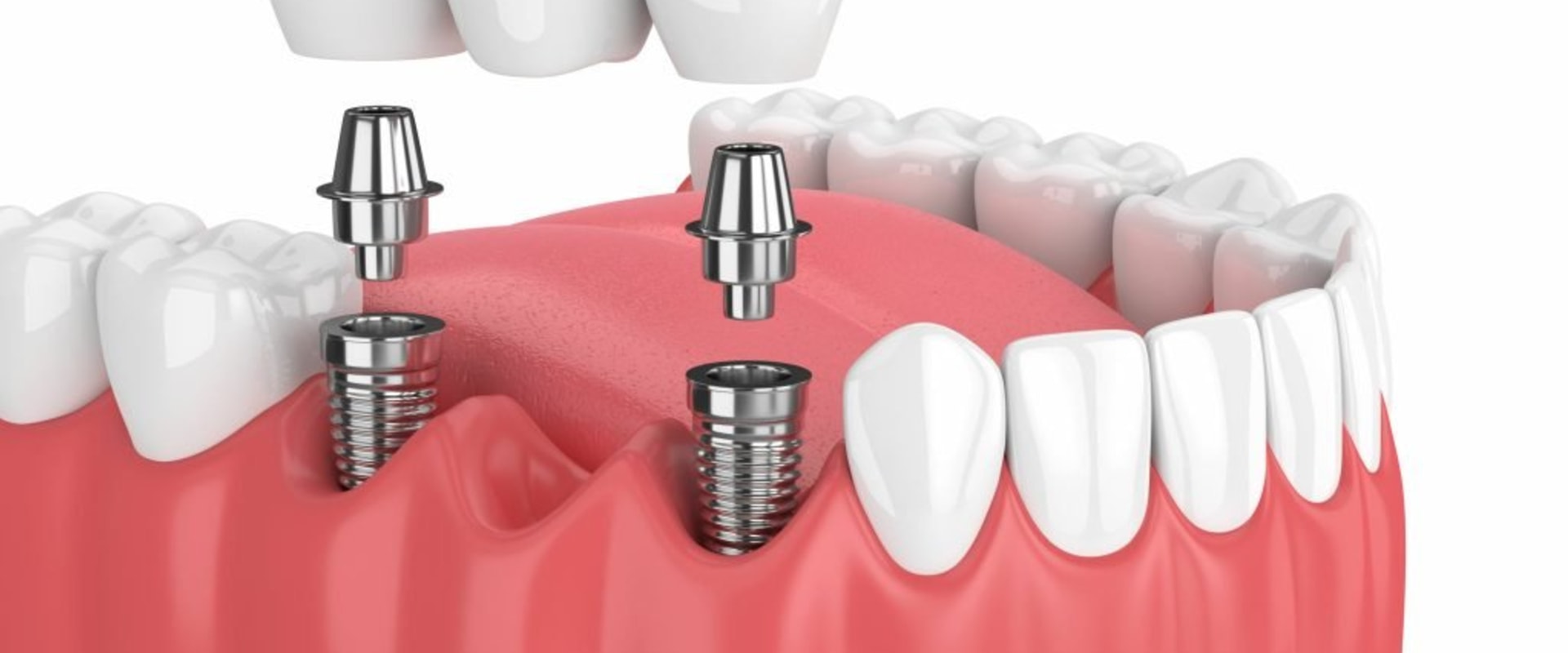
Dental implants represent a revolutionary advancement in the field of dentistry, providing a reliable and effective solution for individuals dealing with tooth loss. Essentially, a dental implant is a small titanium post that is surgically inserted into the jawbone, serving as a sturdy foundation for replacement teeth. Unlike traditional dentures or bridges, which can be uncomfortable and require frequent adjustments, dental implants offer a permanent solution that mimics the natural structure of teeth. This innovative approach not only restores functionality but also enhances the aesthetic appeal of one’s smile.The significance of dental implants extends beyond mere cosmetic enhancement; they play a crucial role in maintaining oral health. Dental implants represent a revolutionary advancement in the field of dentistry, providing a reliable and effective solution for individuals dealing with tooth loss. Essentially, a dental implant is a small titanium post that is surgically inserted into the jawbone, serving as a sturdy foundation for replacement teeth. Unlike traditional dentures or bridges, which can be uncomfortable and require frequent adjustments, dental implants offer a permanent solution that mimics the natural structure of teeth. This innovative approach not only restores functionality but also enhances the aesthetic appeal of one’s smile.The significance of dental implants extends beyond mere cosmetic enhancement; they play a crucial role in maintaining oral health.
When a tooth is lost, the surrounding bone can begin to deteriorate due to lack of stimulation. Dental implants help to preserve the jawbone by providing the necessary support and preventing bone loss. This is particularly important as it helps maintain facial structure and prevents the sunken appearance that often accompanies missing teeth.Moreover, dental implants can significantly improve one’s quality of life. They allow individuals to eat their favorite foods without discomfort, speak clearly without fear of slippage, and smile confidently in social situations.
The benefits of dental implants are not just limited to physical health; they also contribute positively to emotional well-being by restoring self-esteem and confidence.As we delve deeper into the advantages of dental implants throughout this article, it’s essential to understand their relevance not only in terms of oral health but also from a financial perspective. While the initial investment may seem daunting, the long-term savings associated with dental implants can be substantial, making them a wise choice for many individuals seeking lasting solutions for tooth loss.
The Benefits of Dental Implants
Dental implants offer a multitude of advantages that extend far beyond mere aesthetics. They are designed to replace missing teeth, providing a stable and durable solution that can significantly enhance your oral health. Here are some of the key benefits associated with dental implants:- Improved Oral Health: One of the most significant benefits of dental implants is their ability to improve overall oral health.
Unlike traditional dentures or bridges, which can sometimes lead to bone loss in the jaw, dental implants integrate with the bone, helping to maintain its density and structure. This integration prevents the deterioration that often accompanies tooth loss.
- Enhanced Aesthetics: Dental implants are designed to look and feel like natural teeth. They can be customized to match the color and shape of your existing teeth, ensuring a seamless blend with your smile. This not only boosts your confidence but also enhances your overall appearance.
- Long-Term Cost Savings: While the initial investment in dental implants may seem high, they can lead to significant long-term savings.
Traditional dental solutions often require replacements or adjustments over time, leading to ongoing costs. In contrast, dental implants are designed for longevity, often lasting a lifetime with proper care. This durability means fewer visits to the dentist and reduced expenses in the long run.
- Improved Functionality: Dental implants restore full chewing power, allowing you to enjoy a wider variety of foods without discomfort or difficulty. This improvement in functionality can lead to better nutrition and overall health.
- Prevention of Adjacent Tooth Movement: When a tooth is lost, neighboring teeth may shift into the empty space, leading to misalignment and further dental issues.
Dental implants fill this gap, preventing adjacent teeth from moving out of position.
How Dental Implants Improve Oral Health
Dental implants are not just a cosmetic solution; they play a crucial role in enhancing overall oral health. One of the most significant benefits of dental implants is their ability to prevent bone loss , a common issue that arises when teeth are missing. When a tooth is lost, the jawbone beneath it can begin to deteriorate due to lack of stimulation.This bone loss can lead to further dental issues, including shifting teeth and changes in facial structure. Dental implants act as artificial tooth roots, providing the necessary stimulation to the jawbone, which helps maintain its density and integrity.Moreover, dental implants significantly improve chewing ability. Unlike dentures, which can slip or cause discomfort while eating, implants are securely anchored in the jawbone. This stability allows individuals to enjoy a wider variety of foods without fear of their prosthetic slipping or causing pain.
The ability to chew effectively not only enhances the enjoyment of meals but also contributes to better digestion and overall nutrition.Another often-overlooked benefit of dental implants is their positive impact on speech. Missing teeth can lead to speech difficulties, such as slurring or mispronouncing words. Dental implants fill these gaps, allowing for clearer articulation and improved communication. Patients often report feeling more confident in social situations as their speech becomes more natural and fluid.In summary, dental implants offer substantial improvements in oral health by preventing bone loss, enhancing chewing efficiency, and improving speech clarity.
These physiological benefits underscore the importance of considering dental implants not just for aesthetic reasons but as a vital component of maintaining long-term oral health.
Financial Considerations: Dental Implants vs. Other Options
When considering tooth replacement options, understanding the financial implications is crucial. Dental implants, while initially more expensive than alternatives like dentures or bridges, can offer significant long-term savings. This section will explore the costs associated with dental implants compared to other options and how dental insurance can play a role in managing these expenses.When considering tooth replacement options, understanding the financial implications is crucial. Dental implants, while initially more expensive than alternatives like dentures or bridges, can offer significant long-term savings. This section will explore the costs associated with dental implants compared to other options and how dental insurance can play a role in managing these expenses.Cost of Dental Implants
The average cost of dental implants can range from $3,000 to $4,500 per implant, depending on various factors such as location, the complexity of the procedure, and the materials used.
This price typically includes the implant itself, the abutment, and the crown. While this may seem steep at first glance, it’s essential to consider the longevity and durability of implants. With proper care, dental implants can last a lifetime, making them a worthwhile investment.
Comparing Dental Options
- Dentures: Traditional dentures can cost between $1,000 and $3,000. However, they often require replacements every 5 to 10 years and may lead to additional costs for adjustments or relining.
- Bridges: Dental bridges typically range from $2,000 to $5,000.
While they are less expensive than implants initially, they rely on adjacent teeth for support and may require future dental work on those teeth.
Dental Insurance Coverage for Implants
Many people wonder if their dental insurance will cover the cost of implants. Coverage varies significantly among plans. Some plans may cover a portion of the implant procedure under major services, while others may not cover it at all. It’s essential to review your specific policy details carefully.In some cases, insurance may cover related procedures such as extractions or bone grafting needed before implant placement.
Additionally, some plans offer a lifetime maximum benefit that can help offset costs over time.Ultimately, investing in dental implants not only enhances your oral health but can also lead to substantial savings by minimizing future dental work and improving your overall quality of life.
Dental Insurance and Coverage for Implants
When considering dental implants, understanding dental insurance coverage is crucial. Not all insurance plans are created equal, and the extent of coverage for implants can vary significantly. Here’s a closer look at how different types of dental insurance plans address the costs associated with dental implants.Types of Dental Insurance Plans
- Indemnity Plans: These traditional plans offer the most flexibility. They allow you to choose any dentist and typically cover a percentage of the total cost for major procedures, including dental implants.
However, you may need to pay upfront and submit claims for reimbursement.
- Preferred Provider Organizations (PPOs): PPOs provide a network of dentists who offer services at reduced rates. While these plans often cover a portion of implant costs, it’s essential to verify whether your chosen provider is in-network to maximize your benefits.
- Health Maintenance Organizations (HMOs): HMO plans usually have lower premiums but require you to select a primary care dentist. Coverage for dental implants may be limited or not included at all, so it’s vital to check the specifics before enrolling.
Coverage Details for Dental Procedures
When reviewing your dental insurance plan, pay close attention to the following:
- Waiting Periods: Many plans impose waiting periods for major services like implants. This means you may have to wait several months after enrollment before you can access coverage for these procedures.
- Annual Maximums: Most dental insurance plans have an annual maximum limit on what they will pay for covered services.
If your implant procedure exceeds this limit, you will be responsible for the remaining balance.
- Pre-authorization Requirements: Some insurers require pre-authorization for dental implants. This process involves submitting treatment plans and X-rays to ensure that the procedure is deemed necessary before coverage is approved.
- Review your policy thoroughly to understand what is covered and any limitations that may apply.
- Consult with your dentist about the best way to approach your treatment plan in conjunction with your insurance coverage.
- Consider supplemental insurance if your primary plan does not adequately cover implants.
Choosing the Right Dental Insurance Plan for Implants
When considering dental implants, selecting the right dental insurance plan is crucial for managing costs effectively. Not all dental insurance plans are created equal, especially when it comes to coverage for implants. Here are some key factors to consider when evaluating your options:- Coverage for Implants: The first step is to determine whether the plan covers dental implants at all.
Some plans may only cover basic procedures, while others may include comprehensive coverage for major services like implants. Look for plans that explicitly mention coverage for implants in their policy details.
- Waiting Periods: Many dental insurance plans impose waiting periods before you can access benefits for major services, including implants. This means you may have to wait several months after enrolling before you can receive coverage. Be sure to check the waiting period associated with any plan you are considering.
- Annual Maximums: Most dental insurance plans have an annual maximum limit on how much they will pay for covered services within a year.
Since dental implants can be costly, it’s important to choose a plan with a higher annual maximum to ensure you can cover the expenses associated with the procedure.
- Co-pays and Deductibles: Understand the co-pays and deductibles associated with your plan. Some plans may require you to pay a percentage of the costs out-of-pocket, while others may have fixed co-pays for specific services. Knowing these details will help you budget effectively.
- Network Providers: Check if your preferred dentist or oral surgeon is in-network with the insurance plan you are considering. In-network providers typically offer lower rates than out-of-network providers, which can significantly affect your overall costs.
Look for reviews and testimonials from other patients who have used the insurance for dental implants. Additionally, consult with your dentist about which insurance plans they accept and recommend based on their experience with implant procedures.Ultimately, choosing the right dental insurance plan for implants involves careful consideration of your specific needs and financial situation. By taking the time to evaluate your options thoroughly, you can find a plan that not only covers dental implants but also supports your overall oral health journey.
Frequently Asked Questions about Dental Implants and Insurance
When considering dental implants, many individuals have questions regarding their effectiveness, costs, and insurance coverage. Below are some of the most frequently asked questions that can help clarify these important topics.What are dental implants?
Dental implants
are artificial tooth roots made from biocompatible materials, typically titanium, that are surgically placed into the jawbone.
They serve as a sturdy foundation for replacement teeth, which can be crowns, bridges, or dentures. Unlike traditional dentures, implants provide a permanent solution that mimics the function and appearance of natural teeth.
Does dental insurance cover implants?
The coverage for dental implants varies significantly among different insurance plans. While some plans may cover a portion of the cost, others may not cover them at all. It is essential to review your specific policy to understand what is included.Many plans categorize implants under major restorative services, which may require a higher out-of-pocket expense.
Are there any misconceptions about dental implants and insurance?
- Misconception 1: Dental insurance always covers implants. This is not true; many plans do not include coverage for implants.
- Misconception 2: All dental plans are the same. Each plan has different levels of coverage and exclusions, so it’s crucial to read the fine print.
- Misconception 3: Implants are only for cosmetic purposes. In reality, they also play a vital role in maintaining oral health by preventing bone loss.
What should I ask my dentist about insurance coverage for implants?
When discussing dental implants with your dentist, consider asking the following questions:- What specific services related to dental implants does my insurance cover?
- Are there any payment plans or financing options available if my insurance does not cover the full cost?
- Can you provide a detailed breakdown of the costs associated with the implant procedure?
Conclusion: The Long-Term Value of Dental Implants
In summary, the decision to invest in dental implants is not merely a choice about aesthetics; it is a significant step towards enhancing your overall oral health and financial well-being.Throughout this article, we have explored the multifaceted benefits of dental implants, emphasizing their role in restoring functionality, preventing further dental issues, and ultimately saving money over time.One of the most compelling reasons to consider dental implants is their ability to mimic the natural structure of teeth. Unlike traditional dentures or bridges, implants are anchored directly into the jawbone, providing stability and comfort that can significantly improve your quality of life. This stability allows for better chewing efficiency and clearer speech, which are often compromised with other tooth replacement options.Moreover, dental implants play a crucial role in maintaining jawbone health. When a tooth is lost, the underlying bone can begin to deteriorate due to lack of stimulation.
Implants help preserve this bone structure, preventing the sunken appearance that often accompanies tooth loss and reducing the risk of further dental complications.From a financial perspective, while the initial cost of dental implants may seem daunting, they can be a cost-effective solution in the long run. Many patients find that investing in implants reduces the need for future dental work, such as root canals or extractions, which can be both painful and expensive. Additionally, with proper care and maintenance, dental implants can last a lifetime, making them a worthwhile investment.It is essential to consider your dental insurance coverage when contemplating dental implants. Not all plans offer comprehensive coverage for this procedure; however, some may provide partial reimbursement or financing options that can ease the financial burden.
Understanding your insurance plan's specifics can help you make an informed decision about your treatment options.In conclusion, choosing dental implants is a proactive approach to safeguarding your oral health while also being mindful of your financial future. By weighing the benefits against potential costs and considering your insurance options, you can make a decision that not only enhances your smile but also contributes positively to your overall health and well-being.