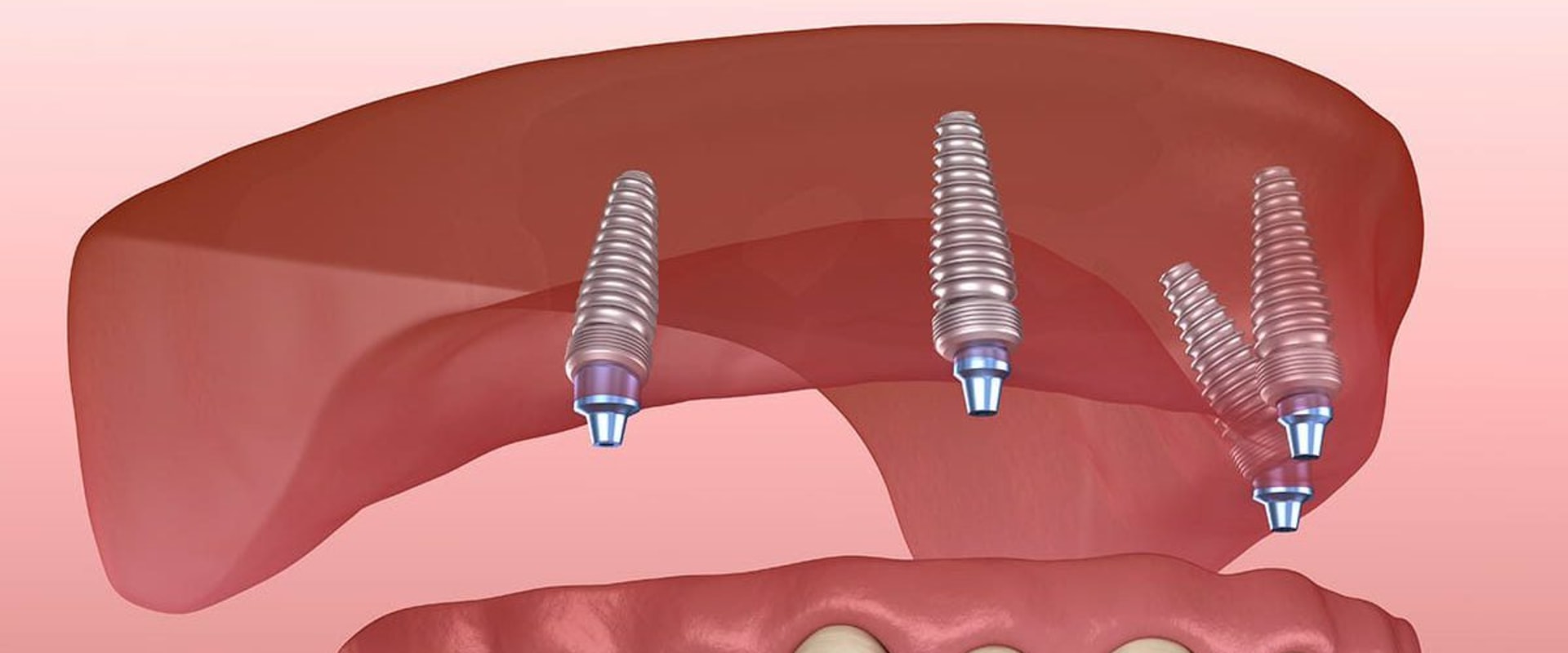
Dental implants are a revolutionary solution for individuals seeking to restore their smiles and improve their oral health. Essentially, a dental implant is a small titanium post that is surgically placed into the jawbone, acting as a replacement root for a missing tooth. Once integrated with the bone, this post provides a sturdy foundation for attaching a custom-made crown, bridge, or denture. This innovative approach not only enhances aesthetics but also plays a crucial role in maintaining the structural integrity of the jawbone, which can deteriorate when teeth are lost.The benefits of dental implants extend beyond mere appearance. Dental implants are a revolutionary solution for individuals seeking to restore their smiles and improve their oral health. Essentially, a dental implant is a small titanium post that is surgically placed into the jawbone, acting as a replacement root for a missing tooth. Once integrated with the bone, this post provides a sturdy foundation for attaching a custom-made crown, bridge, or denture. This innovative approach not only enhances aesthetics but also plays a crucial role in maintaining the structural integrity of the jawbone, which can deteriorate when teeth are lost.The benefits of dental implants extend beyond mere appearance.
They offer significant functional advantages, such as improved chewing ability and speech clarity. Unlike traditional dentures, which can slip or cause discomfort, dental implants are securely anchored in place, allowing for greater confidence in daily activities. Additionally, they help prevent bone loss and gum recession, which are common issues associated with missing teeth. With proper care, dental implants can last a lifetime, making them a worthwhile investment in one’s oral health.The process of getting dental implants typically involves several key steps.
Initially, a comprehensive consultation with a qualified dentist is necessary to assess the patient’s oral health and determine if they are suitable candidates for the procedure. This may include X-rays and 3D imaging to evaluate bone density and structure. Following this assessment, a personalized treatment plan is developed, which may involve preparatory procedures such as bone grafting if there is insufficient bone to support the implant. Once the jaw has healed and is ready, the implant is surgically placed into the bone.
After a healing period during which osseointegration occurs—where the bone fuses with the implant—the final restoration can be completed.Understanding these fundamental aspects of dental implants sets the stage for exploring how to make this transformative procedure more affordable through various options like dental insurance and financing plans. By grasping what dental implants entail and their numerous benefits, individuals can make informed decisions about their oral health journey.
The Importance of Dental Insurance for Implants
When considering dental implants, one of the most significant factors that can influence the overall cost is dental insurance. Having a comprehensive dental insurance plan can make a substantial difference in making these procedures more affordable. Understanding how dental insurance works, especially in relation to implants, is crucial for anyone looking to enhance their smile and oral health.How Dental Insurance Works
Dental insurance typically operates on a tiered system, where different types of services are categorized into preventive, basic, and major services.
Preventive care, such as routine check-ups and cleanings, is usually fully covered or requires minimal out-of-pocket expenses. Basic services may include fillings and extractions, while major services encompass more complex procedures like dental implants.Most dental insurance plans have a maximum annual benefit limit, which is the total amount the insurer will pay for covered services within a year. This limit can vary widely between plans, so it’s essential to review your policy to understand how much coverage you can expect for major services like implants.Preventive care, such as routine check-ups and cleanings, is usually fully covered or requires minimal out-of-pocket expenses. Basic services may include fillings and extractions, while major services encompass more complex procedures like dental implants.Most dental insurance plans have a maximum annual benefit limit, which is the total amount the insurer will pay for covered services within a year. This limit can vary widely between plans, so it’s essential to review your policy to understand how much coverage you can expect for major services like implants.
Types of Dental Insurance Plans
- PPO (Preferred Provider Organization): These plans offer flexibility in choosing your dentist. You can see any dentist you prefer, but you will pay less if you choose one within the network.
PPO plans often cover a percentage of the costs associated with dental implants, making them a popular choice for those needing extensive work.
- HMO (Health Maintenance Organization): HMO plans require you to select a primary care dentist and typically have lower premiums. However, they may have limited coverage for major procedures like implants and often require referrals for specialist care.
- Discount Dental Plans: While not traditional insurance, these plans offer reduced rates for dental services at participating providers. They can be an excellent option for those without insurance or those seeking additional savings on implant procedures.
Therefore, it’s advisable to consult with both your dentist and your insurance provider to clarify what is covered under your plan.In conclusion, having adequate dental insurance is essential for making dental implants more financially manageable. By familiarizing yourself with how different types of plans work and what they cover, you can take significant steps toward achieving your desired smile without incurring overwhelming costs.
Types of Dental Insurance Plans
When considering dental implants, understanding the different types of dental insurance plans available is crucial for making an informed decision. Each plan type offers unique benefits and limitations, which can significantly impact your out-of-pocket expenses. Here’s a breakdown of the most common types of dental insurance plans:- PPO (Preferred Provider Organization) Plans: PPO plans are among the most flexible options available.
They allow you to choose any dentist, but you will save more if you use a dentist within the plan's network. Typically, PPO plans cover a percentage of the costs associated with dental implants, which can help reduce your overall expenses. However, it’s essential to check the specific coverage details, as some plans may have waiting periods or exclusions for major services like implants.
- HMO (Health Maintenance Organization) Plans: HMO plans usually require you to select a primary care dentist from their network. While these plans often have lower premiums and out-of-pocket costs, they may offer less flexibility in choosing providers.
Coverage for dental implants under HMO plans can vary widely, and many may not cover them at all. It’s important to verify with your provider whether implants are included in your plan.
- Discount Dental Plans: Unlike traditional insurance, discount dental plans are not insurance policies but rather membership programs that provide reduced rates on dental services. Members pay an annual fee and receive discounts on various treatments, including dental implants. This option can be particularly appealing for those who may not have insurance or whose insurance does not cover implants adequately.
However, it’s crucial to read the fine print to understand what discounts apply and any limitations that may exist.
Coverage for Major Services: What to Expect
When considering dental implants, understanding your dental insurance coverage for major services is crucial. Dental implants are often classified as a major service, and the extent of coverage can vary significantly between different insurance plans. Here’s what you can typically expect regarding coverage for dental implants.Types of Coverage
- PPO Plans: Preferred Provider Organization (PPO) plans usually offer more flexibility in choosing your dentist and may cover a percentage of the cost of dental implants.
However, the coverage might only apply to the implant itself and not to additional procedures like bone grafting or sinus lifts that may be necessary.
- HMO Plans: Health Maintenance Organization (HMO) plans often have lower premiums but may require you to use a specific network of dentists. Coverage for dental implants under HMO plans can be limited, and you may need to get a referral to see a specialist.
- Discount Plans: While not traditional insurance, discount dental plans can provide reduced rates for dental services, including implants. These plans typically require an annual fee but can save you money on out-of-pocket costs.
Out-of-Pocket Costs
Even with insurance, patients should be prepared for potential out-of-pocket expenses. Many plans cover only a portion of the total cost, which can leave you responsible for significant amounts.
For instance, if your plan covers 50% of the implant cost, you will need to budget for the remaining 50%. Additionally, some plans may impose waiting periods before they cover major services like implants, meaning you might have to wait several months after enrolling before you can access benefits.
Understanding Your Plan
To avoid unexpected costs, it’s essential to thoroughly review your insurance policy. Look for details regarding:
- The percentage of coverage for major services
- Any waiting periods that apply
- Exclusions or limitations on specific procedures
Finding Affordable Dental Insurance Options
Finding affordable dental insurance can be a daunting task, especially with the myriad of options available.However, with a strategic approach, you can identify a plan that meets your needs without straining your budget. Here are some practical tips to help you navigate the process of finding affordable dental insurance options.
1.Assess Your Dental Needs
Before diving into the world of dental insurance, take a moment to evaluate your specific dental needs. Consider factors such as:- Your current oral health status
- Any anticipated dental procedures (like implants or orthodontics)
- The frequency of dental visits you typically require
2.Research Different Types of Plans
There are several types of dental insurance plans available, each with its own structure and benefits:- PPO (Preferred Provider Organization): These plans offer flexibility in choosing dentists and typically cover a percentage of costs for both in-network and out-of-network providers.
- HMO (Health Maintenance Organization): HMO plans usually require you to select a primary dentist and get referrals for specialists. They often have lower premiums but less flexibility.
- Discount Dental Plans: These are not insurance but rather membership programs that provide discounts on dental services at participating providers.
3.Compare Coverage Details
Once you've narrowed down your options, it’s crucial to compare the coverage details of each plan:- Annual Maximums: Check the maximum amount the plan will pay for covered services in a year.
- Waiting Periods: Some plans impose waiting periods before coverage for major services kicks in, which can affect your decision if you need immediate care.
- Exclusions: Be aware of what is not covered by the plan, especially concerning cosmetic procedures or specific treatments like implants.
4.Seek Recommendations and Read Reviews
Don’t underestimate the power of personal recommendations.Ask friends, family, or colleagues about their experiences with different dental insurance providers. Additionally, online reviews can provide insights into customer satisfaction and claims processes.
5.Consult with Your Dentist
Your dentist can be an invaluable resource when selecting a dental insurance plan. They often have experience with various insurers and can recommend plans that offer good coverage for the services they provide. They may also know which plans are accepted at their practice, ensuring you have access to care when needed.By following these steps and taking the time to thoroughly research and compare different dental insurance options, you can find an affordable plan that meets your needs while ensuring you receive the necessary care for your oral health.The Role of Preventive Care in Reducing Costs
Preventive care plays a vital role in maintaining oral health and significantly reducing long-term dental costs.By prioritizing routine check-ups and cleanings, individuals can catch potential issues early, preventing them from escalating into more serious and expensive problems.Regular dental visits typically include:
- Comprehensive Examinations: During these visits, your dentist will assess your overall oral health, checking for signs of decay, gum disease, and other conditions that could lead to costly treatments if left untreated.
- Professional Cleanings: Dental hygienists perform cleanings to remove plaque and tartar buildup that regular brushing and flossing may miss. This helps prevent cavities and gum disease.
- X-rays: These diagnostic tools allow dentists to see issues beneath the surface, such as impacted teeth or bone loss, which can be addressed before they require more invasive procedures.
- Early Detection: Identifying problems early means less extensive treatment is needed. For example, treating a small cavity is far less expensive than addressing a root canal or extraction.
- Avoiding Major Procedures: Regular check-ups can help prevent conditions that require major interventions, such as dental implants or crowns, which can be financially burdensome without insurance coverage.
- Insurance Benefits: Many dental insurance plans cover preventive services at little to no cost.
By utilizing these benefits, patients can keep their oral health in check without incurring significant out-of-pocket expenses.
Exploring Financing Options for Dental Implants
When considering dental implants, the cost can often be a significant barrier for many patients. Fortunately, there are various financing options available that can help make this essential dental procedure more accessible. Understanding these options can empower you to make informed decisions about your oral health.1.Payment Plans Offered by Dentists
Many dental practices recognize the financial strain that dental implants can impose and offer in-house payment plans.
These plans typically allow patients to spread the cost of their treatment over several months or even years. Here are some common features of these payment plans:
- No Interest Financing: Some dentists provide financing options with no interest if paid within a specified period, making it easier to manage payments without incurring additional costs.
- Flexible Payment Terms: Payment plans can often be tailored to fit your budget, allowing you to choose a monthly payment that works for you.
- Low Down Payments: Many practices require only a small down payment, which can help you get started on your treatment sooner.
2.Third-Party Financing Companies
If your dentist does not offer in-house financing, consider third-party financing companies that specialize in healthcare loans. These companies provide loans specifically for dental procedures, including implants. Some popular options include:
- CareCredit: This is one of the most widely accepted healthcare credit cards that allows patients to finance their dental treatments with flexible repayment options.
- Alphaeon Credit: Similar to CareCredit, Alphaeon offers promotional financing options for patients seeking cosmetic and restorative dental procedures.
3.Health Savings Accounts (HSAs) and Flexible Spending Accounts (FSAs)
If you have an HSA or FSA, you can use these accounts to pay for dental implants.
Contributions to these accounts are made pre-tax, which can save you money in the long run. Be sure to check with your plan administrator regarding eligible expenses.
4.Dental Insurance Considerations
While many dental insurance plans do not cover the full cost of implants, some may cover a portion of the procedure or related services such as extractions or bone grafting. It’s essential to review your policy and discuss coverage details with your dentist to maximize your benefits.
5.Non-Profit Organizations and Grants
In some cases, non-profit organizations may offer grants or financial assistance for individuals needing dental care but facing financial hardship. Research local resources or inquire at your dentist's office for potential leads.By exploring these financing options, you can find a solution that fits your budget and allows you to proceed with the dental implants you need for a healthier smile.
Common Questions About Dental Implants and Insurance
When considering dental implants, many potential patients have questions regarding the relationship between these procedures and their insurance coverage.Below are some of the most frequently asked questions that can help clarify common concerns.
1.Does dental insurance cover dental implants?
Coverage for dental implants varies significantly among different insurance plans. While some plans may offer partial coverage for the implant itself, others may not cover it at all. It’s essential to review your specific policy details or consult with your insurance provider to understand what is included.2.What types of dental insurance plans cover implants?
Generally, PPO (Preferred Provider Organization) plans are more likely to provide coverage for dental implants compared to HMO (Health Maintenance Organization) plans. PPO plans often allow you to choose from a wider network of dentists and may cover a percentage of the costs associated with implants.However, it’s crucial to verify this with your plan.
3.Are there waiting periods for implant coverage?
Many dental insurance policies impose waiting periods before they will cover major services like dental implants. This means you may need to wait several months after enrolling in a plan before you can receive coverage for these procedures. Always check your policy for any waiting periods that may apply.4.What if my insurance doesn’t cover implants?
If your insurance plan does not cover dental implants, consider exploring alternative options such as:- Payment Plans: Many dental offices offer financing options that allow you to pay for your treatment over time.
- Discount Dental Plans: These plans can provide reduced rates on various dental services, including implants.
- Health Savings Accounts (HSAs): If you have an HSA, you can use those funds to pay for dental procedures tax-free.
5.Can I appeal a denied claim for an implant?
If your claim for a dental implant is denied, you have the right to appeal the decision. Gather all necessary documentation, including treatment plans and any supporting evidence from your dentist, and submit an appeal to your insurance company.Many patients successfully overturn initial denials through this process.Understanding the nuances of dental insurance coverage for implants can be complex, but being informed will empower you to make better decisions regarding your oral health and financial planning.
Conclusion: Making Informed Decisions About Dental Implants
In summary, navigating the journey of obtaining dental implants can be a complex process, but understanding the key components involved can significantly ease your experience. From the initial consultation to the final placement of your implants, each step is crucial in ensuring a successful outcome. It is essential to recognize that dental implants are not merely a cosmetic enhancement; they play a vital role in restoring functionality and improving overall oral health.One of the most critical aspects to consider is the financial implications of dental implants. The costs associated with this procedure can be daunting, but having adequate dental insurance can make a substantial difference.By thoroughly researching various insurance plans, you can identify options that provide coverage for major services like dental implants. This includes understanding the specifics of what your plan covers, any waiting periods that may apply, and potential out-of-pocket expenses.Moreover, preventive care should not be overlooked. Regular check-ups and cleanings are often covered by dental insurance and are essential for maintaining good oral health. These visits can help catch potential issues early, reducing the likelihood of needing more extensive and costly treatments down the line.As you consider your options for dental implants, take the time to:
- Evaluate your current dental health: Consult with your dentist to assess your suitability for implants.
- Research insurance plans: Compare coverage options to find a plan that meets your needs.
- Understand costs: Be aware of all potential expenses associated with the procedure.
- Prioritize preventive care: Utilize your insurance benefits for routine check-ups and cleanings.
With the right knowledge and resources, you can achieve a beautiful smile that enhances both your confidence and quality of life.