Oral health is often overlooked, yet it plays a pivotal role in our overall well-being and quality of life. The mouth is not just a gateway for food and drink; it is a complex ecosystem that can significantly influence our physical health, emotional state, and social interactions. Maintaining good oral hygiene is essential not only for preventing dental issues like cavities and gum disease but also for safeguarding against systemic health problems. Research has shown that poor oral health can be linked to serious conditions such as heart disease, diabetes, and respiratory infections, highlighting the importance of prioritizing oral care.Good oral hygiene practices, including regular brushing, flossing, and dental check-ups, contribute to a healthier mouth and body.
When we take care of our teeth and gums, we reduce the risk of infections and inflammation that can affect other parts of the body. Moreover, a healthy smile can boost self-esteem and confidence, enhancing our social interactions and overall quality of life. People with good oral health are often perceived as more attractive and approachable, which can positively impact personal and professional relationships.In addition to the physical benefits, maintaining good oral health can lead to significant financial savings in the long run. Preventive measures such as routine cleanings and check-ups are typically covered by dental insurance plans, making it easier to access necessary care without incurring substantial out-of-pocket expenses. When we take care of our teeth and gums, we reduce the risk of infections and inflammation that can affect other parts of the body. Moreover, a healthy smile can boost self-esteem and confidence, enhancing our social interactions and overall quality of life. People with good oral health are often perceived as more attractive and approachable, which can positively impact personal and professional relationships.In addition to the physical benefits, maintaining good oral health can lead to significant financial savings in the long run. Preventive measures such as routine cleanings and check-ups are typically covered by dental insurance plans, making it easier to access necessary care without incurring substantial out-of-pocket expenses.
By investing in preventive care today, individuals can avoid costly treatments for advanced dental issues tomorrow. Understanding the connection between oral health and overall wellness is crucial for making informed decisions about dental care and insurance options.
Preventive Care: The Foundation of Oral Health
Preventive dental care is the cornerstone of maintaining optimal oral health. It encompasses a variety of practices designed to prevent dental issues before they arise, ensuring that your teeth and gums remain healthy throughout your life. By prioritizing preventive care, you can significantly reduce the risk of developing serious dental problems, which can lead to costly treatments down the line.One of the most critical components of preventive care is regular dental check-ups.These visits allow your dentist to conduct thorough examinations of your mouth, identifying any early signs of decay, gum disease, or other potential issues. During these appointments, your dentist may also perform necessary diagnostic tests, such as X-rays, to uncover hidden problems that may not be visible during a standard visual examination.In addition to check-ups, professional cleanings are essential for maintaining good oral hygiene. During a cleaning, a dental hygienist will remove plaque and tartar buildup from your teeth, which can lead to cavities and gum disease if left untreated. Regular cleanings not only help keep your teeth looking their best but also play a vital role in preventing more serious health issues.
Types of Preventive Care
- Routine Check-ups: Typically recommended every six months, these visits are crucial for monitoring your oral health.
- Professional Cleanings: Conducted by dental hygienists, these cleanings remove plaque and tartar that regular brushing cannot.
- X-rays: Used to detect hidden cavities and other issues beneath the surface of your teeth and gums.
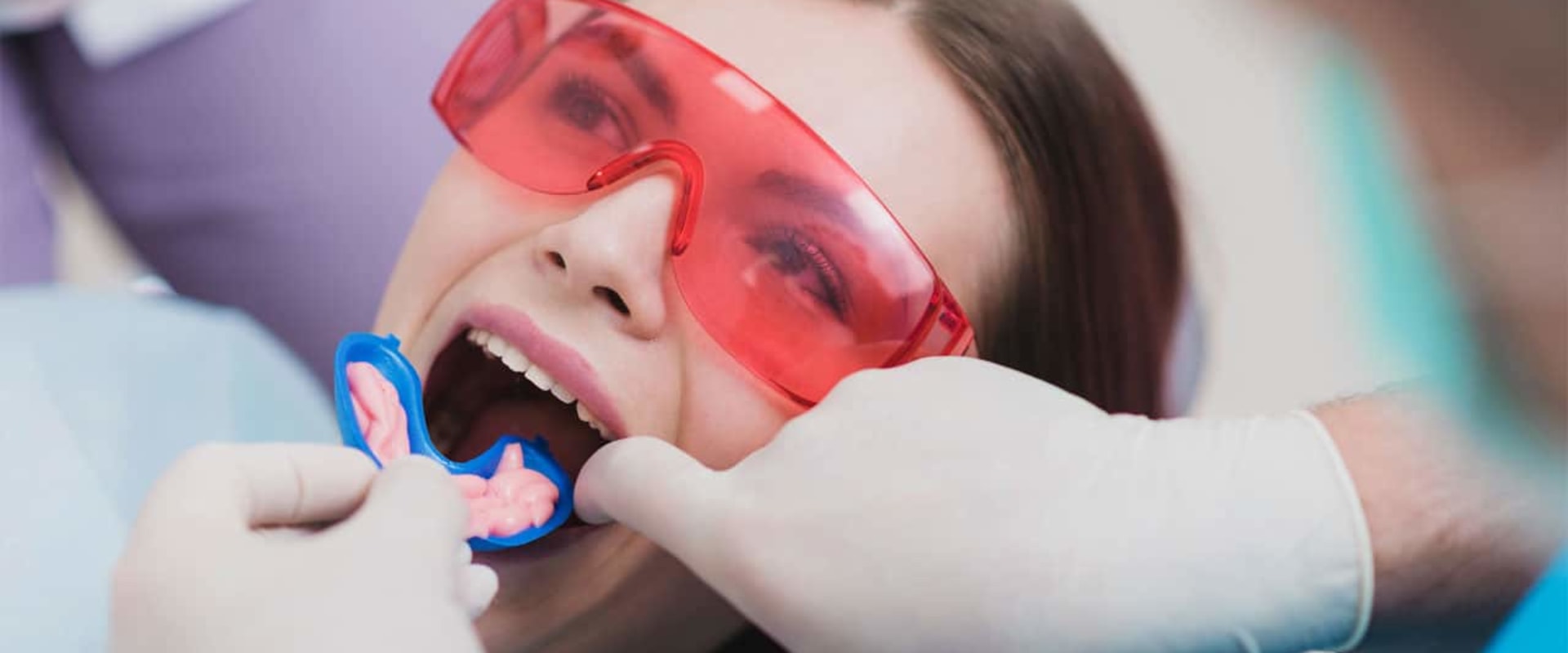
- Fluoride Treatments: These treatments strengthen tooth enamel and help prevent decay.
- Dental Sealants: A protective coating applied to the chewing surfaces of molars to prevent cavities.
By investing in preventive care, you can save money in the long run. Treating advanced dental issues often requires more extensive procedures that can be financially burdensome. For instance, a simple filling is far less expensive than a root canal or extraction. Moreover, maintaining good oral health can contribute to overall well-being, as studies have shown links between oral health and systemic conditions such as heart disease and diabetes.In conclusion, preventive care is not merely an option; it is a necessity for anyone looking to maintain good oral health.
By committing to regular check-ups and cleanings, you are taking proactive steps toward ensuring a healthy smile for years to come. Remember that prevention is always better than cure—make preventive dental care a priority in your life.
Types of Preventive Dental Services
Preventive dental services are essential for maintaining optimal oral health and preventing more serious dental issues down the line. These services encompass a variety of treatments and procedures designed to detect, prevent, and address potential problems before they escalate. Here, we will explore some of the most common types of preventive dental services.Routine Dental Check-Ups
Regular dental check-ups are a cornerstone of preventive care.During these visits, your dentist will conduct a thorough examination of your teeth, gums, and mouth. This examination typically includes:
- Visual Inspection: The dentist will look for signs of decay, gum disease, and other oral health issues.
- X-Rays: If necessary, X-rays may be taken to identify hidden problems such as cavities between teeth or issues with the jawbone.
- Oral Cancer Screening: Dentists often perform screenings for oral cancer as part of routine check-ups to catch any abnormalities early.
Professional Cleanings
Professional cleanings are another vital component of preventive dental care. During a cleaning appointment, a dental hygienist will:- Remove Plaque and Tartar: Even with regular brushing and flossing, plaque can build up on teeth.
Professional cleanings help eliminate this buildup, which can lead to cavities and gum disease if left untreated.
- Polish Teeth: After plaque removal, the hygienist will polish your teeth to remove surface stains and make them feel smooth.
Fluoride Treatments
Fluoride treatments are an effective way to strengthen tooth enamel and protect against decay. Fluoride is a naturally occurring mineral that helps remineralize weakened enamel and can reverse early signs of tooth decay. Dentists often recommend fluoride treatments for:- Children: Young patients benefit greatly from fluoride as their teeth are still developing.
- Adults at Risk: Adults with a history of cavities or those who have dry mouth conditions may also benefit from additional fluoride exposure.
Dental Sealants
Dental sealants are thin protective coatings applied to the chewing surfaces of molars. They act as a barrier against food particles and bacteria that can lead to cavities.Sealants are particularly beneficial for children but can also be used for adults who are prone to decay. The application process is simple:
- The tooth surface is cleaned and dried.
- The sealant material is painted onto the tooth surface.
- A special light may be used to harden the sealant quickly.
The Role of Dental Insurance in Preventive Care
Dental insurance plays a vital role in promoting and maintaining good oral health through its coverage of preventive care services. Understanding how dental insurance works and the benefits it offers can significantly impact your ability to access necessary dental treatments without incurring overwhelming costs.Benefits of Dental Insurance for Preventive Care
- Cost Savings: One of the primary advantages of having dental insurance is the financial relief it provides.
Most plans cover preventive services at little to no cost to the patient, which encourages regular visits to the dentist. This can include routine check-ups, cleanings, and X-rays.
- Access to Quality Care: Dental insurance often includes a network of dentists who have agreed to provide services at reduced rates. This not only makes dental care more affordable but also ensures that you receive quality treatment from qualified professionals.
- Encouragement of Regular Visits: With insurance covering preventive care, patients are more likely to schedule regular appointments. This proactive approach helps catch potential issues early, reducing the risk of more serious and costly procedures down the line.
How Dental Insurance Works
Dental insurance typically operates on a tiered system, where preventive services are covered at a higher percentage compared to major services.
Most plans categorize dental care into three main types:
- Preventive Services: These include routine exams, cleanings, and X-rays. Most plans cover these services at 100%, meaning you won’t have to pay out-of-pocket.
- Basic Services: This category includes fillings and extractions, which are usually covered at a lower percentage (often around 70-80%).
- Major Services: Procedures like root canals or crowns fall under this category and may have higher out-of-pocket costs, with coverage typically around 50-60%.
Preventive Care Coverage
When selecting a dental plan, it’s crucial to review the specifics of preventive care coverage. Look for plans that offer comprehensive coverage for:
- Routine cleanings (usually twice a year)
- Comprehensive exams
- X-rays as needed
- Fluoride treatments for children
- Dental sealants for cavity prevention in children
Understanding Different Types of Dental Insurance Plans
When it comes to maintaining good oral health, understanding the different types of dental insurance plans available is essential.Each plan type offers unique benefits and limitations, which can significantly impact your dental care experience and costs. Here’s a closer look at the three primary types of dental insurance plans: Preferred Provider Organizations (PPO), Health Maintenance Organizations (HMO), and Indemnity Plans.
Preferred Provider Organization (PPO)
PPO plans are among the most popular types of dental insurance. They offer flexibility in choosing your dentist, allowing you to visit any dental provider, although you will save more by using dentists within the plan's network. Here are some key features:- Flexibility: You can see any dentist, but in-network providers offer lower out-of-pocket costs.
- Cost Structure: Typically, PPOs cover a percentage of the costs for preventive, basic, and major services, with higher coverage for in-network services.
- No Referrals Needed: You do not need a referral to see a specialist.
Health Maintenance Organization (HMO)
HMO plans are designed to provide comprehensive dental care through a network of dentists.Here’s what you should know:
- Cost-Effective: HMO plans usually have lower premiums and out-of-pocket costs compared to PPOs.
- Primary Care Dentist: You must select a primary care dentist who will manage your dental care and refer you to specialists within the network.
- Limited Flexibility: If you choose to see an out-of-network dentist, you will likely have to pay the full cost yourself.
Indemnity Plans
Indemnity plans offer the most freedom when it comes to choosing your dentist. They allow you to visit any dental provider without being restricted to a network. Key aspects include:- Freedom of Choice: You can choose any dentist or specialist without worrying about network restrictions.
- Reimbursement Model: You pay for services upfront and then submit claims for reimbursement based on the plan’s coverage percentage.
- No Network Limitations: This plan is beneficial for those who travel frequently or have established relationships with specific dentists.
Consider your personal needs, budget, and preferences when selecting a plan that best suits your oral health requirements.
Major Dental Services: When Prevention Isn't Enough
While preventive measures are essential for maintaining good oral health, there are times when they may not be sufficient to avoid more serious dental issues. In such cases, major dental services become necessary to address problems that have already developed. Understanding these services can help you make informed decisions about your oral health and the care you receive.While preventive measures are essential for maintaining good oral health, there are times when they may not be sufficient to avoid more serious dental issues. In such cases, major dental services become necessary to address problems that have already developed. Understanding these services can help you make informed decisions about your oral health and the care you receive.Fillings: Repairing Tooth Decay
One of the most common major dental services is the filling. Fillings are used to restore teeth that have been damaged by decay or trauma.When a dentist identifies a cavity during a routine check-up, they will recommend a filling to prevent further deterioration of the tooth.The process typically involves:
- Diagnosis: The dentist will assess the extent of the decay using visual examination and X-rays.
- Anesthesia: Local anesthesia is administered to numb the area around the affected tooth.
- Decay Removal: The dentist will remove the decayed portion of the tooth using specialized tools.
- Filling Placement: After cleaning the cavity, the dentist will fill it with a material such as amalgam, composite resin, or glass ionomer.
Root Canals: Saving Infected Teeth
A root canal is another major dental service that becomes necessary when the pulp inside a tooth becomes infected or inflamed. This condition can arise from deep decay, repeated dental procedures, or trauma to the tooth. If left untreated, an infected tooth can lead to severe pain and even tooth loss.The root canal procedure involves several steps:- Anesthesia: Similar to fillings, local anesthesia is used to numb the area around the affected tooth.
- Pulp Removal: The dentist will create an opening in the crown of the tooth to access and remove the infected pulp.
- Cleansing and Shaping: The interior of the tooth is cleaned and shaped to prepare it for filling.
- Sealing: After cleaning, the dentist fills the empty space with a biocompatible material and seals it to prevent future infections.
Extractions: When Teeth Must Be Removed
In some cases, a tooth may be beyond repair due to severe decay, damage, or overcrowding. In such situations, dental extractions become necessary.This procedure involves removing a tooth from its socket in the bone.The extraction process typically includes:
- Anesthesia: Local anesthesia is administered to ensure comfort during the procedure.
- Extraction Procedure: The dentist uses specialized tools to loosen and remove the tooth from its socket. For impacted teeth, such as wisdom teeth, surgical extraction may be required.
- Post-Extraction Care: After removal, patients receive instructions on how to care for the extraction site to promote healing and prevent complications.
Cosmetic Dentistry: Enhancing Your Smile While Maintaining Health
Cosmetic dentistry plays a significant role in enhancing the aesthetics of your smile while also contributing to your overall oral health.Cosmetic dentistry plays a significant role in enhancing the aesthetics of your smile while also contributing to your overall oral health.Many individuals seek cosmetic procedures not only to improve their appearance but also to boost their self-esteem and confidence. Understanding the various options available in cosmetic dentistry can help you make informed decisions that align with both your aesthetic goals and health needs.
Popular Cosmetic Dentistry Options
- Teeth Whitening: One of the most sought-after cosmetic procedures, teeth whitening can effectively remove stains and discoloration, resulting in a brighter smile. This procedure can be performed in-office or at home using professional-grade products.
- Veneers: These thin shells of porcelain or composite resin are custom-made to cover the front surface of teeth, correcting imperfections such as chips, gaps, or misalignment. Veneers not only enhance appearance but also provide a protective layer for the underlying tooth structure.
- Dental Implants: For those with missing teeth, dental implants offer a permanent solution that mimics the look and function of natural teeth.
They help maintain jawbone health and prevent further dental issues associated with tooth loss.
- Bonding: Dental bonding involves applying a tooth-colored resin to repair minor imperfections, such as cracks or gaps. This procedure is quick and can often be completed in a single visit.
- Orthodontics: While traditionally viewed as a corrective measure, orthodontic treatments like braces or clear aligners also serve cosmetic purposes by straightening teeth and improving bite alignment.
The Benefits of Cosmetic Procedures
The benefits of cosmetic dentistry extend beyond mere aesthetics. Many procedures can enhance oral health by:
- Improving oral hygiene: Straightening misaligned teeth makes it easier to clean them effectively, reducing the risk of cavities and gum disease.
- Restoring functionality: Procedures like dental implants not only fill gaps but also restore normal chewing function, which is essential for overall health.
- Preventing further damage: Addressing issues like chips or cracks promptly can prevent more severe problems from developing in the future.
The Relationship Between Cosmetic Dentistry and Oral Health
While cosmetic dentistry primarily focuses on enhancing appearance, it is essential to recognize its relationship with oral health. Many cosmetic procedures can contribute positively to your dental well-being.
For instance, correcting misaligned teeth through orthodontics not only improves aesthetics but also enhances bite function and reduces wear on teeth.Moreover, some dental insurance plans may offer coverage for certain cosmetic procedures if they are deemed necessary for maintaining oral health. It is crucial to review your dental insurance policy to understand what is covered and how it aligns with your cosmetic goals. By investing in both aesthetic improvements and preventive care, you can achieve a beautiful smile that supports your overall health.
Tips for Choosing the Right Dental Insurance Plan
Choosing the right dental insurance plan is a critical step in maintaining your oral health while managing costs. With various options available, it’s essential to consider several factors to ensure you select a plan that meets your needs and budget.1.Understand Your Dental Needs
- Assess your current oral health status.
If you have existing dental issues or anticipate needing major work, look for plans that offer comprehensive coverage.
- Consider the frequency of dental visits you typically require. If you need regular check-ups and cleanings, prioritize plans that cover preventive care at a higher percentage.
2.Review Coverage Details
- Examine what services are covered under the plan. Most plans will include preventive services like cleanings and exams, but check if they also cover major services such as fillings, root canals, and extractions.
- Look for any limitations or exclusions in the policy. Some plans may have waiting periods for certain procedures or may not cover specific treatments.
3.Check the Network of Dentists
- Determine if your preferred dentist is in-network.
Dental insurance plans often have networks of providers that offer services at reduced rates.
- If you have a specific dentist you want to continue seeing, ensure they accept the insurance plan you are considering.
4.Compare Costs
- Evaluate the monthly premiums against the out-of-pocket costs for services. A lower premium might come with higher deductibles or co-pays, so calculate your potential total costs based on expected usage.
- Consider any annual maximums on coverage. Some plans limit how much they will pay for dental care in a given year, which can impact your financial planning.
5.Look for Additional Benefits
- Some dental insurance plans offer perks such as discounts on cosmetic procedures or orthodontics. If these are important to you, factor them into your decision-making process.
- Check if the plan includes coverage for preventive care beyond standard cleanings, such as fluoride treatments or sealants, which can be beneficial for maintaining long-term oral health.
Frequently Asked Questions About Oral Health and Dental Insurance
Understanding the intricacies of oral health and the role of dental insurance can be overwhelming.Here, we address some of the most frequently asked questions to help clarify common misconceptions and provide valuable insights.
What is the importance of preventive care in oral health?
Preventive care is essential for maintaining good oral health. Regular dental check-ups and cleanings help identify potential issues before they escalate into more serious problems. This proactive approach not only saves you money in the long run but also ensures that your teeth and gums remain healthy. Preventive services often include:- Routine examinations
- Professional cleanings
- X-rays to detect hidden issues
- Fluoride treatments
- Dental sealants
How does dental insurance support preventive care?
Dental insurance typically covers a significant portion of preventive care services, making it more accessible for individuals and families.Most plans offer coverage for:
- Two annual check-ups and cleanings
- X-rays as needed
- Fluoride treatments for children
What should I know about waiting periods for major services?
Many dental insurance plans have waiting periods before coverage for major services kicks in. This means that if you need procedures like fillings or root canals, you may have to wait a certain period after enrolling in a plan before those services are covered. It’s important to review your policy details to understand these timelines.Are there any limitations on cosmetic procedures?
While cosmetic dentistry can enhance your smile, it is often not covered by dental insurance. Procedures such as teeth whitening or veneers may be considered elective and therefore not included in most plans.However, some policies may cover cosmetic work if it is deemed necessary for health reasons, such as repairing a damaged tooth.By understanding these aspects of oral health and dental insurance, you can make informed decisions that benefit both your smile and your wallet.
Conclusion: Investing in Your Oral Health Through Prevention and Insurance
In summary, investing in your oral health is not just about maintaining a beautiful smile; it is a crucial aspect of your overall well-being. Throughout this article, we have explored the significance of preventive measures and the role of dental insurance in safeguarding your oral health.Preventive care, including regular check-ups, cleanings, and screenings, serves as the first line of defense against dental issues. By prioritizing these services, you can identify potential problems early on, which can save you from more extensive and costly treatments down the line. The importance of routine visits to your dentist cannot be overstated; they are essential for maintaining healthy teeth and gums.Moreover, understanding the different types of dental insurance plans available can empower you to make informed decisions that align with your needs and budget.Whether you opt for a Preferred Provider Organization (PPO), Health Maintenance Organization (HMO), or an Indemnity Plan, each has its unique benefits that can help mitigate the financial burden of dental care.Additionally, while major dental services such as fillings, root canals, and extractions may sometimes be necessary, having a solid preventive strategy in place can significantly reduce the likelihood of needing these procedures. This proactive approach not only enhances your oral health but also contributes to your financial well-being.Finally, it’s essential to recognize that good oral health extends beyond just preventive measures and insurance coverage. It involves a commitment to daily practices such as proper brushing and flossing, along with a balanced diet that supports dental health. By integrating these habits into your routine and leveraging the benefits of dental insurance, you are making a valuable investment in your long-term health.In conclusion, taking charge of your oral health through prevention and adequate insurance is a wise decision that pays dividends in both health and happiness.
Don’t wait for problems to arise; be proactive in maintaining your smile and overall well-being.